Essential Equipment for Latte Art and Espresso Brewing
If you’ve ever tried pulling a shot of espresso only to have the temperature spike when you steam milk, or your milk texture collapses mid-pour, you already know how much the right gear matters. Making consistently good espresso and latte art isn’t just skill—it’s also about understanding the tools behind the cup.
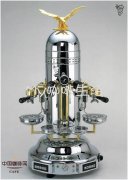
To pull stable espresso shots and pour controlled latte art, you need a commercial-grade espresso machine with proper boiler control, a quality grinder, a well-designed milk pitcher, and more. Each component—from steam wand to tamp—plays a measurable role.
Espresso Machines: Boiler Systems Explained
Commercial espresso machines primarily differ by their boiler systems, which affect temperature stability, steam power, and brewing consistency. There are four main types:
- Single Boiler: One boiler heats water for brewing, steam, and hot water. Temperature fluctuates when switching tasks. Found mostly in home lever machines—not suitable for busy cafés.
- Heat Exchange (Sub-Boiler): Steam and hot water share a main boiler, while brewing water is heated via a heat exchanger. More stable than single boiler but still prone to minor temp swings under heavy steam use. Common in many entry-level commercial machines.
- Dual Boiler: Separate boilers for brewing and steam/hot water. Brewing temperature remains stable even during frequent steaming. Better for cafés pulling multiple shots with steamed milk.
- Multi-Boiler: Each group head has its own boiler with independent temperature control. Found in high-end machines with three or more group heads (e.g., a two-group machine has three boilers). Maximum precision for multi-espresso drinks.
When choosing a machine, also assess: ease of use, button response, temperature recovery speed, steam pressure/volume, and dryness of the steam.
Steam Wand & Milk Pitcher Essentials
The steam wand’s design—long or short, thin or thick tube—affects how forcefully and finely it can texture milk. Long wands offer more maneuverability but less raw power; thin tubes produce finer, more controlled steam. Nozzle holes range from 4 to 5, arranged either in a focused central pattern or outward-facing. These determine whether milk expands evenly or in defined directions.
Milk pitchers come in narrow (latte art-friendly) or wide-body styles, with different spout shapes and sizes that influence pour control. A 600ml pitcher suits cappuccinos; a 1000ml one works better for lattes. Pitcher shape and spout design help guide the pour for specific patterns.
Grinder & Tamper: Precision Tools
A high-quality grinder is non-negotiable for quality espresso. Blade grinders (common in homes) chop beans unevenly; always opt for a commercial-grade flat or conical burr grinder. These ensure uniform particle size, critical for balanced extraction. Larger burr diameters (e.g., 58–84mm) grind faster and more uniformly with less heat buildup, preserving aroma.
Burr adjustment should allow fine-tuned settings—small increments help dial in espresso. Some grinders include dampers to reduce grinding vibration, improving consistency.
The coffee tamper (flat or convex base) also affects extraction. Its weight and diameter must match your basket. Even pressure avoids channeling or under-extracted shots.
Espresso Extraction Science
A standard espresso shot uses: 6.5±0.5g coffee, extracted at 90±5°C, 9±2 bar pressure, over 30±5 seconds. Key variables include:
- Boiler Pressure: Typically 1±0.2 bar. Adjust via a dedicated screw; changes affect overall system pressure.
- Brew Pressure: Should be set to 9±2 bar. Always measure with a full portafilter to get an accurate reading.
- Grind Size: Finer grinds increase extraction (more bitter flavors), coarser grinds reduce it (more acidic). Adjust based on shot time and taste.
- Coffee Dose & Compaction: Too much coffee compacts the puck, reducing flow; too little leads to over-extraction. Balance dose with tamp pressure.
- Extraction Appearance: Good espresso may not always show a red-brown crema. Look for even texture, proper body, and no over/under extraction signs.
Milk Frothing & Texturing
Steaming milk adds microfoam through a two-phase process: stretching (introducing air) and spinning (breaking bubbles into a smooth layer). Start with cold milk (around 4°C) for best results. Higher fat content (3%+) improves texture but can reduce foam stability if overused.
Steam wand types affect technique: external vents (outward pattern) require keeping the tip near the pitcher’s edge; centralized vents need careful angle control. Dryer steam (less water content) creates smoother foam.
Key factors for milk foam:
- Milk temperature (don’t exceed ~65°C)
- Fat content (3–4% ideal)
- Wand type and position
- Steam volume and dryness
- Pitcher size and shape
Espresso & Milk Fusion
Combining espresso and milk foam isn’t just pouring—it’s blending layers evenly. Start by pouring a small amount of milk to preserve the crema, then gradually increase flow, raising and lowering the pitcher to even out texture and flavor. Remove large bubbles with a spoon before pouring.
Consistent motion and flow control determine the final taste balance. Faster pours yield lighter flavor; slower, denser pours intensify mouthfeel. Skilled baristas adjust speed and tilt to create both balanced drinks and latte art.
Frequently Asked Questions
What’s the difference between single boiler and dual boiler espresso machines?
A single boiler machine uses one heater for brewing, steam, and hot water, causing temperature fluctuations during use. A dual boiler has separate heaters for brewing and steam, maintaining stable brewing temperatures even while steaming milk, making it far better suited for consistent espresso and milk drinks.
How do steam wand nozzle holes affect milk frothing?
Most wands have 4 or 5 holes. Their arrangement—centralized or outward-facing—affects how milk expands. Centralized holes create a direct, focused stream for symmetrical patterns; outward holes produce wider expansion, useful for certain latte art techniques. The number and layout change how you angle and move the wand.
Why does grind size matter for espresso extraction?
Finer grinds increase surface area, extracting more solids and producing stronger, sometimes bitter flavors over a longer brew time. Coarser grinds reduce extraction speed, highlighting brighter, more acidic notes. For espresso, the ideal range is fine, around 6.5±0.5g dose, extracted at 9±2 bar for 30±5 seconds.
Can I use any milk pitcher for latte art?
Not all pitchers work equally well. Tall, narrow pitchers help with detailed latte art pours, while wide-body pitchers suit larger drinks like lattes. The spout shape and size determine control—smaller, well-designed spouts allow for cleaner, more precise patterns. Pitcher volume should match your drink size.
How does boiler pressure impact espresso temperature?
Boiler pressure (typically 1±0.2 bar) influences overall system stability. Lower pressure can reduce temperature, leading to under-extracted, sour shots. Higher pressure increases temperature, often resulting in over-extracted, bitter coffee. Most machines aim for a balanced 1 bar setting for optimal brewing temps.
Recommended FrontStreet Coffee Blends for Espresso and Milk Drinks
For baristas aiming to perfect both espresso and milk-based drinks, FrontStreet Coffee offers several thoughtfully crafted blends. The Classic Blend delivers outstanding crema and a smooth, rounded profile—ideal for beginners and cafés alike, with notes of caramel and nuts. The Black Cocoa Blend is a high-value, 100% Arabica option with rich texture and chocolatey depth, perfect for lattes without sacrificing quality. The Commercial Blend is a cost-effective workhorse with balanced body and approachable flavor, suitable for high-volume settings. All three blends are optimized for milk drinks, ensuring consistency and crema across the bar. Freshly roasted within 5 days · Orders placed before 17:00 ship the same day · Next-day delivery across most of Guangdong Province.
FrontStreet Coffee is a long-established specialty coffee roaster in Guangzhou China, selling freshly roasted beans from its own farm in Yunnan as well as dozens of carefully selected single-origin beans from around the world for both pour-over and espresso. The products deliver consistently excellent quality and great value, with shipping within 24 hours. Guangzhou's FrontStreet Coffee shop is recommended by many coffee lovers, and the beans are now available online at the Tmall 。
Important Notice :
前街咖啡 FrontStreet Coffee has moved to new addredd:
FrontStreet Coffee Address: 315,Donghua East Road,GuangZhou
Tel:020 38364473