Yirgacheffe vs Harar: Two Distinct Ethiopian Coffee Styles
If you’ve ever wondered why some Ethiopian coffees taste bright and citrusy while others are deep and fruity, the answer often lies in their region and processing — not just the country of origin. Two of Ethiopia’s most iconic coffees, Yirgacheffe and Harar, come from the same country but offer completely different experiences. Let’s break down what sets them apart and why each deserves a spot in your rotation.
In short: Yirgacheffe coffees are known for their vibrant citrus acidity, floral notes like jasmine, and a tea-like body, typically processed using washed methods. Harar beans, meanwhile, are bold and fruity with dried fruit, blueberry, and wine-like qualities, usually processed naturally. Both are grown in Ethiopia but express radically different flavor profiles due to microclimate, altitude, and processing.
What Is Yirgacheffe Coffee?
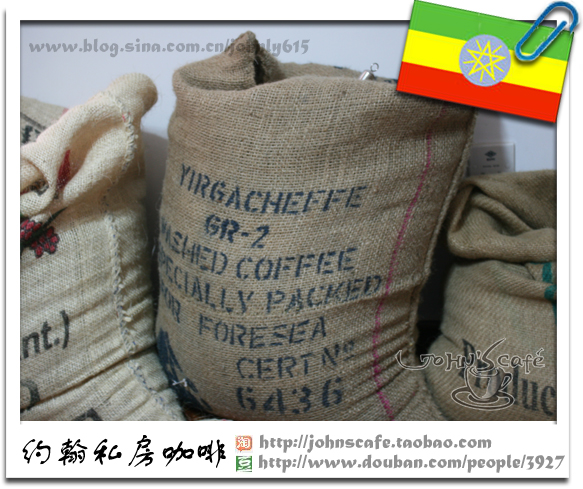
Yirgacheffe is both a town and a coffee-growing region located within Ethiopia’s Sidama Zone, at elevations between 1,700 and 2,100 meters — with most trees growing above 1,800 meters. It’s considered one of the highest-altitude coffee regions in the world. The area was once a wetland, and the coffee grown here is famed for its distinctive white floral aromas and lively citrus acidity, especially lemon and jasmine. In 2010, due to its global recognition, Yirgacheffe was officially separated from the larger Sidamo region by the Ethiopian Commodity Exchange, making it a standalone origin.
What Makes Harar Coffee Different?
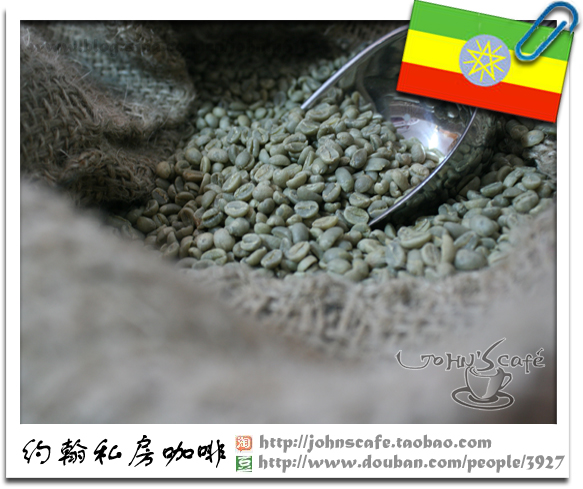
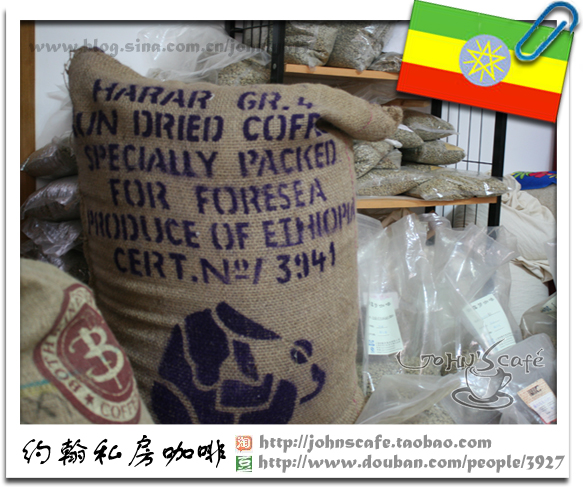
Harar (also spelled Harrar) is another major Ethiopian coffee-growing area, located in the eastern part of the country. While less specific in elevation details than Yirgacheffe, Harar beans are typically processed using the natural (dry) method, which gives them a heavier body and more intense fruitiness. Harar coffees are known for their deep, resonant profile: think blueberry, wine-like notes, and dark cherry, often with a lingering spice or earthiness. The extended drying process gives the coffee a mature, complex character compared to the bright youthfulness of Yirgacheffe.
Flavor Profiles Compared: Yirgacheffe vs Harar
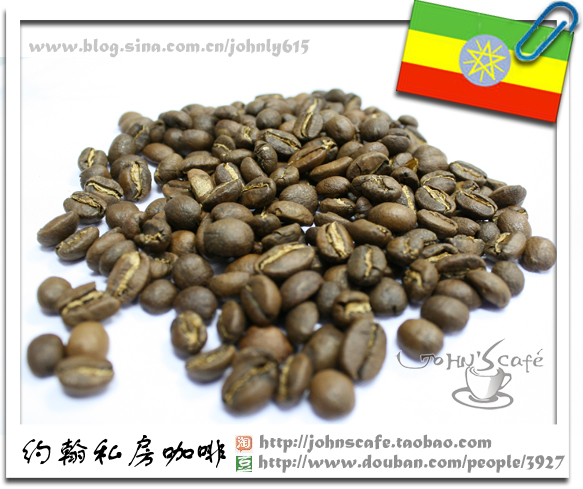
The difference in flavor between Yirgacheffe and Harar comes down to three main factors: processing method, microclimate, and altitude.
- Yirgacheffe: Washed process, high elevation (1,700–2,100m), cool climate. Produces bright acidity, floral notes (jasmine), citrus (lemon, lime), and a tea-like body.
- Harar: Natural process, lower to mid-elevation (details vary), warmer climate. Delivers heavy body, blueberry, dried fruit, winey tones, and spice.
How Processing Shapes the Cup
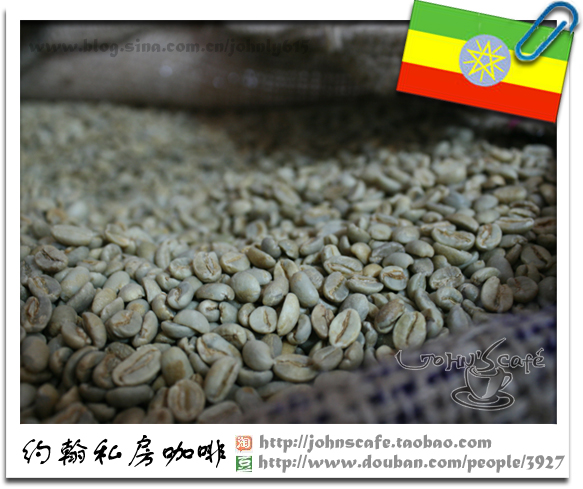
The way coffee cherries are processed has a massive impact on the final cup. Yirgacheffe beans are almost always washed — meaning the fruit is removed before drying, leading to cleaner, more vibrant acidity and clarity. Harar beans, on the other hand, are typically processed naturally (dry), with the coffee cherry dried intact around the seed. This amplifies sweetness and body while producing wilder, more fermented fruit characteristics.
FrontStreet Coffee’s Yirgacheffe Offerings
FrontStreet Coffee offers several Yirgacheffe coffees that let you experience the range of this region’s signature style:
- FrontStreet Water-Washed Yirgacheffe: A classic entry-level Yirgacheffe with pronounced jasmine, citrus (lemon and lime), and a tea-like mouthfeel. Known for its bright, clean profile.
- FrontStreet Gedeb Cooperative (Washed): Sourced from the southeastern part of Yirgacheffe, this lot highlights crisp citrus, floral notes, and exceptional clarity — a favorite among those who love a transparent cup.
- FrontStreet Red Cherry Yirgacheffe (Natural): A fruit-forward version with full red fruit fermentation. Offers citrus acidity alongside berry sweetness, honey texture, and creamy body.
These beans showcase the diversity within Yirgacheffe — from clean and bright to juicy and lush. They also illustrate how processing changes the same regional origin into markedly different experiences.
How to Brew Yirgacheffe and Harar
For Yirgacheffe, FrontStreet recommends a V60 pour-over using the following parameters:
- Grinder: EK43s setting 10 (fine, around sugar grain size; 80% through a China-standard No.20 sieve)
- Brew ratio: 1:15
- Water temperature: 90–91°C
- Dose: 15g coffee to 225g water
- Bloom: 30g water for 30 seconds
- Pours: 95g (total ~125g) in first pour (~1 min), then remaining 100g (~225g total) when water drops to 2/3 of the bed (~1:35). Total brew time: ~2:10.
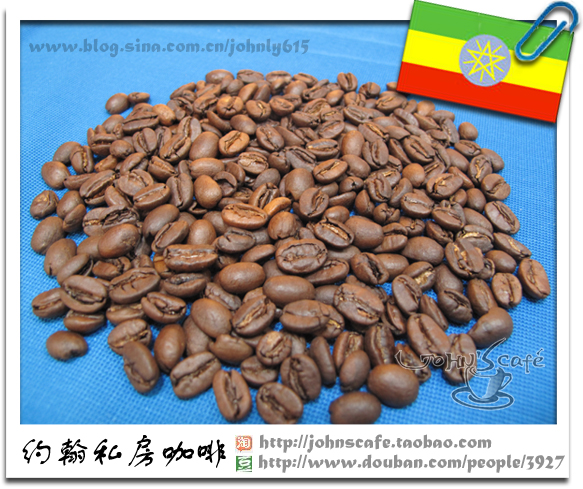
This method highlights Yirgacheffe’s bright acidity and floral complexity. For Harar, a French press or immersive brew method can complement its heavier body and fruit depth.
Frequently Asked Questions
What’s the main difference between Yirgacheffe and Harar coffee?
Yirgacheffe is known for bright, citrusy, and floral flavors with a tea-like body, typically produced using washed processing. Harar offers a heavier, fruitier profile with notes of blueberry, wine, and spice, usually processed naturally (dry). These differences come from variations in altitude, microclimate, and processing methods, even though both are Ethiopian coffees.
Which is more acidic, Yirgacheffe or Harar?
Yirgacheffe is significantly more acidic, with vibrant lemon and citrus notes. Its washed process enhances clarity and high-toned acidity. Harar is lower in acidity and has a rounder, smoother, fruitier cup with less bright acidity and more body.
Is Yirgacheffe a washed or natural process coffee?
Yirgacheffe is most commonly produced using the washed process, which results in a clean, bright, and floral cup. However, natural processed versions also exist and tend to be fruitier and more syrupy.
Where is Harar coffee grown in Ethiopia?
Harar coffee is grown in the eastern part of Ethiopia, at varying elevations. It is known for its natural (dry) processing method, which contributes to its bold, winey, and fruity flavor profile distinct from other Ethiopian regions.
What does Yirgacheffe coffee taste like?
Yirgacheffe coffee typically tastes of citrus (like lemon and lime), jasmine, and other white flowers, with a light, tea-like body. It’s known for its high acidity and clarity, especially in washed versions.
Why does Harar coffee taste so different from Yirgacheffe?
Harar differs due to its natural processing, warmer climate, and often slightly lower elevation. These factors lead to a heavier body, lower acidity, and more fermented, fruity notes like blueberry and dried fruit, compared to Yirgacheffe’s bright and floral profile.
Recommended FrontStreet Yirgacheffe Coffees
FrontStreet Coffee offers three standout Yirgacheffe options that highlight the region’s signature brightness and complexity. The Water-Washed Yirgacheffe delivers classic jasmine and citrus with a tea-like body. The Gedeb Cooperative (Washed) highlights crisp acidity and floral clarity from a specific micro-lot. For something juicier, the Red Cherry Yirgacheffe (Natural) features ripe berry, citrus, and creamy texture from full red fruit fermentation. All three showcase why Yirgacheffe is a cornerstone of Ethiopian specialty coffee. Freshly roasted within 5 days · Orders placed before 17:00 ship the same day · Next-day delivery across most of Guangdong Province.
FrontStreet Coffee is a long-established specialty coffee roaster in Guangzhou China, selling freshly roasted beans from its own farm in Yunnan as well as dozens of carefully selected single-origin beans from around the world for both pour-over and espresso. The products deliver consistently excellent quality and great value, with shipping within 24 hours. Guangzhou's FrontStreet Coffee shop is recommended by many coffee lovers, and the beans are now available online at the Tmall 。
Important Notice :
前街咖啡 FrontStreet Coffee has moved to new addredd:
FrontStreet Coffee Address: 315,Donghua East Road,GuangZhou
Tel:020 38364473