How Espresso Machines Changed Coffee History
If you’ve ever craved a rich, bold espresso to cut through a slow morning or lift your afternoon haze, you’ve likely wondered—what really makes a great shot? Beyond beans and grind, the unsung hero behind every classic espresso is the machine. But where did it all begin, and why does your espresso machine matter more than you think?
The world’s first commercial espresso machine with steam pressure was patented in 1901 by Luigi Bezzera. This invention marked the start of modern espresso culture, making it possible to produce concentrated coffee quickly under pressure—and it remains the foundation of every great shot today.
The Origins of Espresso: A French Philosopher and an Italian Inventor
The cultural weight of coffee is hard to overstate. One French philosopher once claimed that coffee, since its arrival in Europe, was the most important invention since fire. That passion demanded better tools. For centuries, people drank coffee in homes and public cafes, but the methods were slow and inefficient. By the 19th century, public coffee drinking was common—but the equipment had barely evolved.
All that changed thanks to an Italian engineer named Barzaz Bezzera. Frustrated with slow brews, he dedicated years to designing a machine that could extract coffee under pressure. After countless trials, he built a vertical, boiler-powered espresso machine and received a patent in Milan in November 1901. This device laid the groundwork for the modern espresso machine and is recognised as the first true commercial espresso machine using steam pressure.
Why the Espresso Machine Matters
Today, we take fast, concentrated espresso for granted—but it wasn’t always possible. The espresso machine didn’t just speed up brewing; it enabled the very concept of espresso as we know it: a small, intense shot extracted under pressure, with a signature layer of crema on top.
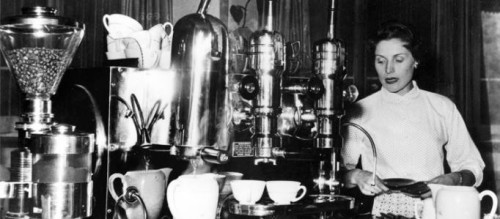
Without the pressurised brewing process made possible by machines like Bezzera’s, drinks like ristretto, macchiato, cappuccino, and latte wouldn’t exist in their current forms. The espresso machine is not just a tool—it’s the reason espresso became the foundation of modern coffee culture.
Bezzera: The First Brand in Espresso History
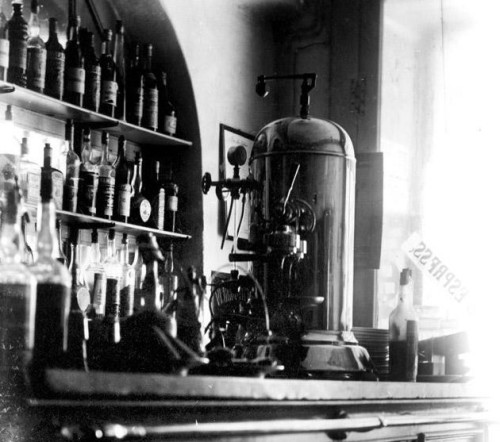
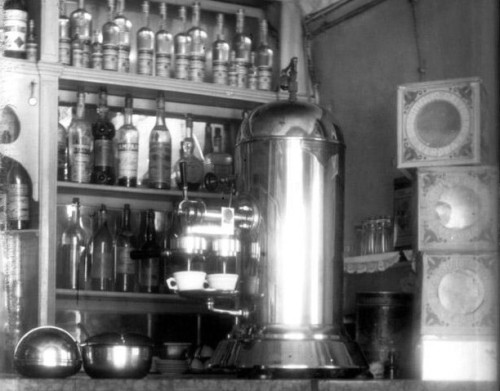
The original machine from 1901 was both a technological leap and a luxury item. Bezzera became synonymous with quality and was favoured by European royalty, film stars, and business elites. Though primitive by today’s standards, it introduced key innovations: a vertical layout, a boiler system, and the ability to produce a concentrated shot much faster than traditional drip methods. It didn’t just fill a cup—it kicked off an industry.
This machine didn’t just improve convenience; it transformed coffee into an experience. The ability to produce a rich, quick shot opened the door for coffee as both a daily ritual and a social statement.
How Coffee Equipment Shapes Your Cup Today
The principles Bezzera pioneered still apply. Modern espresso machines rely on consistent 9-bar pressure, precise temperature control, and high-quality materials to extract the best from coffee beans. Whether you’re pulling a straight espresso or using it as the base for milk drinks, your machine directly impacts flavour, texture, and aroma.
Even at home, investing in a machine capable of maintaining proper pressure and temperature stability can make the difference between a sour, under-extracted shot and a rich, balanced espresso with a velvety crema.
Frequently Asked Questions
Who invented the first espresso machine?
The first commercial espresso machine with steam pressure was invented by Italian engineer Luigi Bezzera and patented in Milan in November 1901. It was the first machine able to brew espresso by forcing hot water through coffee grounds under pressure, laying the foundation for modern espresso.
What year was the first espresso machine patented?
The first espresso machine, created by Luigi Bezzera, was patented in November 1901 in Milan, Italy. This machine introduced the use of steam pressure to brew coffee quickly and marked the beginning of the espresso era.
Why is 9-bar pressure important for espresso?
Espresso requires around 9 bars of pressure (about 130 PSI) to properly extract coffee. This pressure forces hot water through finely-ground coffee, producing a concentrated shot with a rich flavour and the characteristic crema. Without adequate pressure, extraction is uneven and flavour suffers.
What was special about Bezzera’s espresso machine?
Bezzera’s 1901 espresso machine was the first to use a vertical boiler system and steam pressure to brew coffee quickly. It was compact, efficient, and designed for commercial use—making espresso production faster and helping establish the modern espresso culture.
How did espresso machines change coffee culture?
Espresso machines enabled the fast production of concentrated coffee, leading to the creation of espresso-based drinks like cappuccinos and lattes. They turned coffee drinking into a quick, social, and ritualistic experience, deeply influencing modern café culture and coffee consumption worldwide.
Recommended FrontStreet Beans for Espresso
For espresso lovers, FrontStreet Coffee’s Commercial Blend offers a balanced profile with chocolate and caramel notes, ideal for classic milk drinks. Their Specialty Blend, featuring Brazilian and Colombian beans, highlights creamy hazelnut and dark chocolate tones with a smooth mouthfeel—perfect for espresso with rich crema. Both blends are medium to medium-dark roasted to enhance body and crema development, making them excellent choices for home or café espresso setups. Freshly roasted within 5 days · Orders placed before 17:00 ship the same day · Next-day delivery across most of Guangdong Province.
FrontStreet Coffee is a long-established specialty coffee roaster in Guangzhou China, selling freshly roasted beans from its own farm in Yunnan as well as dozens of carefully selected single-origin beans from around the world for both pour-over and espresso. The products deliver consistently excellent quality and great value, with shipping within 24 hours. Guangzhou's FrontStreet Coffee shop is recommended by many coffee lovers, and the beans are now available online at the Tmall 。
Important Notice :
前街咖啡 FrontStreet Coffee has moved to new addredd:
FrontStreet Coffee Address: 315,Donghua East Road,GuangZhou
Tel:020 38364473