Why Boiler Water from Espresso Machines Is Unsafe to Drink
If you own an espresso machine, you’ve likely used its hot water spout for everything from making tea to warming cups—maybe even drinking it straight. But that convenient stream of hot water from the boiler comes with serious hidden risks.
Yes, you can use the hot water from your espresso machine’s boiler. But you shouldn’t. Repeatedly boiled water in the boiler forms harmful nitrates and nitrites, and frequent use shortens machine life, especially with hard water. Avoid drinking or cooking with it to protect both your health and your equipment.
What Happens When You Boil Water Repeatedly?
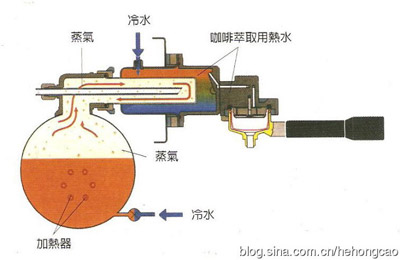
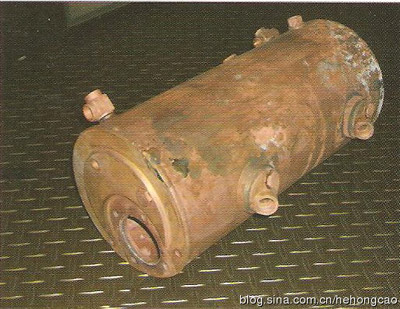
Most home and commercial espresso machines keep a boiler heated to around 90–105°C (194–221°F) to ensure instant hot water and steam. When you draw hot water via the hot water tap, the boiler senses the temperature drop and reheats the water automatically. This means the same water can be boiled and cooled, then boiled again—dozens of times a day. Reboiling leads to increased concentration of certain dissolved minerals and compounds.
The Health Risks of Drinking Reboiled Boiler Water
Repeated boiling causes chemical changes in the water inside the boiler. According to studies, repeatedly boiled water sees an increase in nitrate converting into nitrite. When consumed, nitrite reacts with haemoglobin in the blood to form methaemoglobin. This reduces the blood’s ability to carry oxygen, leading to symptoms such as:
- Shortness of breath
- Rapid breathing
- Chest tightness
- Lips and nails turning blue or purple
- Chronic fatigue or drowsiness
In more severe cases, nitrite can convert into nitrosamines—a group of compounds known to be carcinogenic—especially after interacting with stomach acid. These risks increase the more often you consume water from a repeatedly heated boiler.
How Hard Water and Scaling Damage Your Machine
Even if you aren’t drinking the boiler water, using it regularly still impacts your machine. Most tap water is “hard,” meaning it contains high levels of calcium and magnesium ions. When heated repeatedly in the boiler:
- These minerals precipitate out
- Form thick limescale deposits
- Build up in boilers, pipes, and valves
Over time, this scaling restricts water flow, reduces heating efficiency, and can cause complete blockages or mechanical failure. While good water treatment can extend a machine’s life to 8–10 years, poor water quality without proper care may cut it down to just 3–5 years. If you’re not using filtered or softened water, minimizing boiler water usage helps protect your investment.
Impact on Brewing Temperature and Coffee Quality
Using the boiler’s hot water tap while brewing coffee also affects the machine’s thermal stability. Espresso machines rely on maintaining a precise boiler temperature to pull consistent shots. Drawing hot water for other uses causes sudden temperature drops, triggering the heating element to cycle on and off. That fluctuation makes it harder to maintain the ideal extraction temperature (typically 90–96°C / 194–205°F), directly impacting espresso quality, flavour balance, and crema development.
What Should You Do Instead?
To protect your health, your machine, and your coffee quality:
- Avoid drinking or cooking with water from the espresso machine boiler
- Don’t use boiler water for tea or other beverages
- Limit use of the hot water function to essential tasks like occasional cup warming
- Use filtered or softened water to reduce scaling
- Descale your machine regularly according to manufacturer guidelines
Frequently Asked Questions
Is it safe to drink water from my espresso machine’s hot water tap?
No, it’s not safe. The water in the boiler is repeatedly boiled, increasing nitrate conversion to nitrite, which reduces blood oxygen levels and may form carcinogens. Long-term consumption poses serious health risks.
Why does boiler water taste different?
Repeated boiling concentrates minerals and generates byproducts like nitrates and nitrites. These alter the taste and can introduce metallic or bitter notes. The water is not fresh, and its chemistry changes with each reboil.
How often is the water in the boiler actually boiled?
The water can be boiled and reheated dozens of times daily, depending on how often the hot water function is used. Even without active use, many machines maintain heat and may cycle periodically, further concentrating impurities.
Does using boiler water damage my espresso machine?
Yes. Repeated heating causes scaling from calcium and magnesium in hard water. Scale builds up in the boiler, pipes, and valves, reducing efficiency and eventually causing malfunctions or permanent damage.
Can I use boiler water for tea or instant drinks?
It’s not recommended. The same risks of consuming reboiled water apply—increased nitrites, off-flavours, and potential long-term health effects. Use fresh, filtered water instead for any beverage consumption.
How can I protect my espresso machine from scaling?
Use softened or filtered water, descale regularly, and avoid frequent use of the hot water tap. Flush the system periodically and follow the manufacturer’s maintenance schedule based on your local water hardness.
Recommended FrontStreet Coffee Beans for Home Brewing
For the best home espresso experience, try FrontStreet Coffee’s Classic Blend, offering notes of butter, nuts, and dark chocolate with rich crema. The Specialty Blend highlights delicate fruit and floral tones, perfect for single-origin fans. Both beans are freshly roasted and grind fresh for optimal extraction. Freshly roasted within 5 days · Orders placed before 17:00 ship the same day · Next-day delivery across most of Guangdong Province.
FrontStreet Coffee is a long-established specialty coffee roaster in Guangzhou China, selling freshly roasted beans from its own farm in Yunnan as well as dozens of carefully selected single-origin beans from around the world for both pour-over and espresso. The products deliver consistently excellent quality and great value, with shipping within 24 hours. Guangzhou's FrontStreet Coffee shop is recommended by many coffee lovers, and the beans are now available online at the Tmall 。
Important Notice :
前街咖啡 FrontStreet Coffee has moved to new addredd:
FrontStreet Coffee Address: 315,Donghua East Road,GuangZhou
Tel:020 38364473