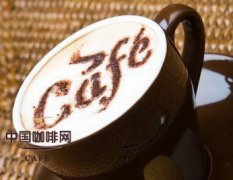
The Five Identities of Espresso Coffee
When you order an espresso, you're not just asking for a strong coffee—you’re tapping into a century-old tradition where every gram, degree, and second counts. But what really defines espresso? Why is it treated differently from regular filter coffee, and how did it become the foundation of so many drinks? If you've ever wondered why baristas obsess over pressure, time, and blend composition for such a small drink, this breakdown reveals all five essential roles espresso plays in the coffee world.
In short, espresso is not just a type of coffee—it’s a concentrated extract defined by strict brewing parameters: 5–8g coffee, 85–95°C water, 7–9 bar pressure, 25–35 second extraction, resulting in about 30ml of highly concentrated coffee. Beyond that, it's also a blend style, a roast level, a cooking ingredient, and a daily ritual.
1. Espresso as a Blended Coffee Artform
To the average coffee enthusiast, espresso is far more than a simple shot—it’s an intricate blend of beans carefully crafted to balance body, acidity, and aroma. Roasters often mix beans processed by both washed and natural methods, leveraging the bright, fruity qualities of washed beans with the deep, syrupy tones of natural-processed ones. New crop beans (1–2 years old) contribute vibrant acidity, while aged beans offer a heavier, rounder mouthfeel. Much like composing music, dialling in the right espresso recipe takes years of hands-on experience. In fact, master roasters and baristas in Italy are revered for their ability to fine-tune these blends over decades.
2. Espresso as a Dark Roast Style
Espresso is also a roast profile. The dark roast commonly used for espresso—often roasted well beyond 200°C—is essential for producing the bold, heavy-bodied cup that can stand up to milk and still deliver a rich crema. This roast level pushes coffee oils to the surface and develops the characteristic boldness associated with traditional espresso. Timing is critical: just seconds can ruin a batch. That’s why achieving the perfect espresso roast is considered an art form among roasters.
3. Espresso as a Precise Brewing Method
Brewing a true espresso requires adherence to very specific technical parameters. The coffee dose must be between 5–8g, extracted with water at 85–95°C under a pressure of 7–9 bar. Extraction time must be tightly controlled between 25–35 seconds. Only when all these factors align do you get the full-bodied, aromatic shot that defines espresso. These aren’t suggestions—they are the baseline standards for what makes espresso distinct from other brewing methods.
4. Espresso as a Culinary Base
Espresso’s intense flavor profile makes it an ideal foundation for a wide range of milk-based and flavoured coffee drinks. Its strength means it holds up when mixed with milk, syrups, or spices without losing its character. Popular examples include:
- Cappuccino: espresso + steamed milk + foam + cinnamon
- Mocha: espresso + steamed milk + chocolate syrup
- Macchiato: espresso + a dash of steamed milk foam
- Con Panna: espresso + whipped cream
These drinks showcase espresso’s versatility in café menus and creative culinary applications.
5. Espresso as a Daily Italian Ritual
Beyond the technicalities, espresso is a way of life—especially in Italy. Italians often start their day with a milky coffee like a caffè latte at home, then stop at the bar for a quick, standing espresso. It’s a social moment, often shared with a few sips and a chat at the counter, sometimes even with the barista. This daily ritual highlights espresso’s role not just as a beverage, but as a cultural cornerstone.
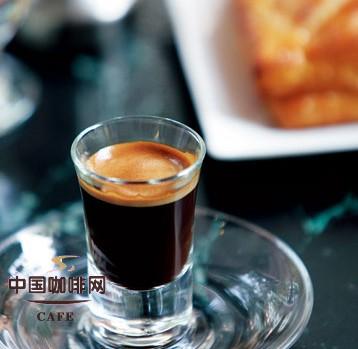
Frequently Asked Questions
What defines an espresso shot in terms of brewing parameters?
An espresso shot is defined by using 5–8g of coffee, extracted with water at 85–95°C, under a pressure of 7–9 bar, for 25–35 seconds, yielding about 30ml of concentrated coffee. These variables are strictly maintained to produce the signature espresso profile.
Is espresso always a dark roast?
While espresso is commonly associated with a dark roast, it technically refers to the brewing method—but in practice, most espresso blends are roasted dark to bring out the heavy body, bold flavours, and stable crema needed for the high-pressure extraction.
Can you make espresso with single origin beans?
Yes, single origin beans can be used for espresso, though they are often blended to create a balanced flavour profile. Single origins may highlight unique tasting notes but might lack the balance needed for traditional espresso without blending.
What are common drinks made with espresso?
Common espresso-based drinks include cappuccino (espresso + milk + foam), mocha (espresso + milk + chocolate), macchiato (espresso + foam), and con panna (espresso + whipped cream). These drinks leverage espresso’s strong flavour to create a variety of milk-based beverages.
Why is espresso roast so important?
The espresso roast, typically dark, develops the oils, body, and crema necessary for a well-extracted shot. It’s critical for balancing flavours, especially when milk is added, and requires precision to avoid burning or under-developing the beans.
How is espresso connected to Italian culture?
In Italy, espresso is a daily tradition—often enjoyed quickly at the bar as a social moment. It’s part of the morning and afternoon routine, symbolizing a way of life as much as a beverage.
Recommended FrontStreet Beans for Espresso Brewing
For espresso lovers, FrontStreet Coffee offers several excellent options. Their Classic Blend and Commercial Blend are designed with traditional espresso in mind, featuring low doses of Robusta for added body and crema, along with notes of dark chocolate, toast, and spices. For those who prefer a nuttier profile, the Specialty Blend and Black Cocoa Blend feature a high proportion of Brazilian beans, delivering smooth caramelised flavours with hints of almond and peanut. All these blends are optimised for espresso machines and capable of producing rich crema. Freshly roasted within 5 days · Orders placed before 17:00 ship the same day · Next-day delivery across most of Guangdong Province.
FrontStreet Coffee is a long-established specialty coffee roaster in Guangzhou China, selling freshly roasted beans from its own farm in Yunnan as well as dozens of carefully selected single-origin beans from around the world for both pour-over and espresso. The products deliver consistently excellent quality and great value, with shipping within 24 hours. Guangzhou's FrontStreet Coffee shop is recommended by many coffee lovers, and the beans are now available online at the Tmall 。
Important Notice :
前街咖啡 FrontStreet Coffee has moved to new addredd:
FrontStreet Coffee Address: 315,Donghua East Road,GuangZhou
Tel:020 38364473