
How to Pull a Proper Espresso: Step-by-Step Extraction Guide
If you’ve ever wondered why your local coffee shop’s milk drinks all taste similar—even when made with totally different Espresso shots—it’s because most baristas aren’t trained in Espresso fundamentals. In Italy and specialty coffee regions worldwide, Espresso extraction is the true foundation of quality coffee. Yet in China, many cafés prioritize latte art over mastering the shot itself. Here’s how the pros do it.
The key to a well-balanced Espresso is control: a 20–30ml shot extracted in 18–25 seconds using fresh-ground coffee, proper tamp pressure (10–20kg), and consistent technique. Anything outside these ranges usually means your shot is under- or over-extracted.
Why Espresso Matters More Than You Think
In countries like Italy, Japan, the US, and South Korea, black coffee and straight Espresso make up over 70% of coffee shop sales. In China, however, milk-based drinks like lattes and mochas dominate. Milk masks flaws in the Espresso—so much so that two very different Espresso shots can produce identical-tasting lattes. But with just water added (as in an Americano), any flaw in the Espresso becomes instantly obvious on the palate. That’s why mastering Espresso extraction is essential for any serious coffee professional.
The Real Espresso Training Standard
Even at ILLY’s international barista certification program, the primary focus is on Espresso extraction—not latte art. According to ILLY trainer Ms. Li, the exam tests your ability to pull a proper Espresso shot, not your foam artistry. That should tell you something about where coffee quality really starts.
Step-by-Step: How to Extract a Great Espresso
Follow these steps carefully to achieve consistency and balance in every shot:
1. Handle the Portafilter Correctly
Always keep the portafilter on the group head to stay warm—never place it on the warming tray or elsewhere. Leaving spent coffee grounds in the basket before brewing helps absorb off-odors from the hot brass group head. Don’t dump them until just before loading fresh coffee.
2. Clean the Group Head Thoroughly
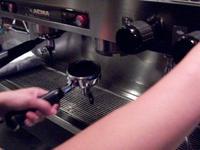
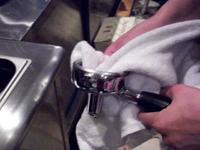
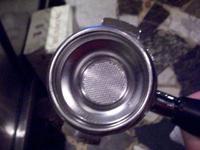
Before inserting fresh coffee, flush the group head while moving the portafilter around to clean any old coffee residue. This prevents bitter, over-extracted flavors caused by re-brewing leftover grounds—and also pre-warms the portafilter to avoid temperature spikes. Repeat the flush if needed. Then wipe the portafilter’s interior and spout completely dry. Any moisture will prematurely start extraction or cause clumping.
3. Dose Freshly Ground Coffee Only
Never let ground coffee sit in the dosing chamber. Always grind fresh for each shot, as coffee oxidizes quickly once ground. Avoid pre-filling the doser. Instead, grind directly into the portafilter, pulling the lever just before it’s full, then finish emptying the doser.
4. Create a Level Coffee Bed
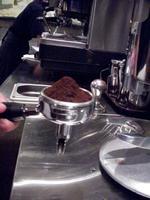
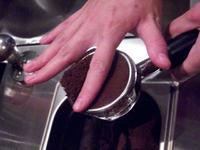
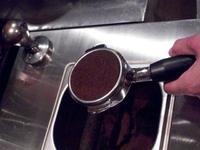
After dosing, the coffee should form a small mound in the portafilter. Use a finger, palm, or distribution tool to level and distribute the grounds evenly, ensuring no pockets. Brush excess grounds into the dosing crumb tray—never back into the doser, where heat can spoil future doses.
5. First Tamp: Light Compression
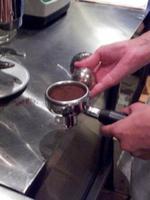
Apply a light initial tamp with about 5kg of pressure. This seats the coffee without over-compressing it. Then give the portafilter a single gentle tap on its side to settle grounds along the edge. Use minimal force here—over-tapping can cause channeling by pushing grinds to one side.
6. Second Tamp: Proper Pressure and Alignment
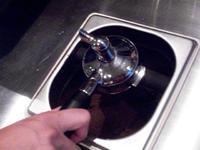
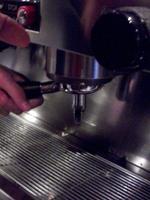
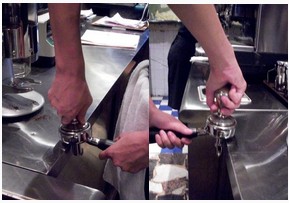
Now apply the main tamp—between 10 and 20kg of pressure depending on your grind size. Keep your arm vertical throughout to ensure an even puck. Uneven tamping leads to uneven extraction. Many baristas need hundreds—or even thousands—of practice tamps to master a perfectly level bed.
7. Polish the Puck
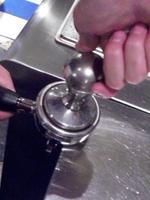
After tamping, rotate the tamper 360° to smooth the coffee’s surface. A level, polished puck helps maintain even resistance against the brew water, improving extraction quality.
8. Lock and Brew Immediately
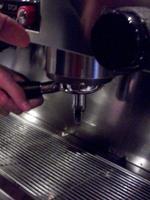
Insert the portafilter into the group head and start the extraction right away. Don’t wait—the hot environment can scorch the coffee, leading to bitter, overdeveloped flavors. The whole process from grinding to locking in the portafilter should be fast.
9. Monitor the Shot
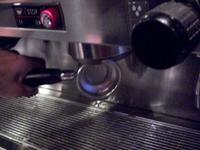
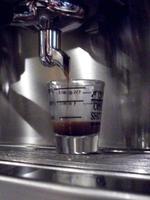
A proper Espresso should flow like warm honey—not spray or drip. The ideal yield is 20–30ml over 18–25 seconds. If it pours too fast, your grind is likely too coarse or tamp too light. Too slow? Your grind may be too fine or the tamp too heavy. Keep an eye on consistency: shots pulled by the same person using the same settings should vary by no more than 1 second in brew time.
10. Evaluate the Crema and Puck
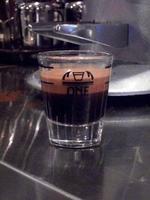
When you’re done, the puck should be flat and level with no divots. A sunken or uneven puck means tamping was inconsistent. Good Espresso will have a rich, stable crema. For a basic quality check, dilute the shot with hot water to make an Americano. It should taste clean, balanced, and not overly bitter or sour—with fading bitterness and no harsh aftertaste.
To confirm consistency, pull 5–10 shots in a row under the same conditions. Time, yield, and taste should remain stable shot after shot. Only then can you say your technique is dialed in.
Common Mistakes to Avoid
- Letting the portafilter cool before brewing
- Not cleaning the group head properly before each shot
- Leaving coffee grounds in the basket for too long before brewing
- Reusing or returning spilled grounds to the doser
- Tamping unevenly or with inconsistent pressure
- Allowing the coffee to sit in the hot portafilter too long before brewing
- Ignoring puck condition and shot flow
Frequently Asked Questions
What is the ideal Espresso shot time and yield?
A standard Espresso shot should yield 20–30ml of liquid extracted over 18–25 seconds. This range ensures proper balance between under- and over-extraction for most coffee blends.
How much pressure should I use when tamping?
First tamp lightly with around 5kg, just to seat the coffee. Then apply a main tamp with 10–20kg of pressure. Keep your arm vertical to ensure an even puck.
Why does my Espresso pour too fast or too slow?
Too fast usually means the grind is too coarse or the tamp is too light. Too slow indicates the grind may be too fine or the tamp too heavy. Adjust grind size and tamp pressure accordingly.
Does the puck condition affect taste?
Yes. A flat, even puck with no indentations usually means proper tamping. A sunken or uneven puck often leads to channeling and poor extraction.
How can I check if my Espresso is well extracted?
Dilute the shot with hot water to make an Americano. It should taste clean, not sour or overly bitter, with bitterness that fades quickly. Consistency across multiple shots is also a key sign of good technique.
How important is cleaning the group head before brewing?
Extremely. Residual coffee oils and old grounds can create off-flavors. Always flush and wipe the group head before inserting a fresh portafilter.
Recommended FrontStreet Beans for Espresso Brewing
For dialing in your Espresso technique, try FrontStreet Coffee’s Classic Blend—an approachable, balanced mix ideal for everyday espresso with notes of dark chocolate and mild citrus. The Ethiopia Humbera offers bright fruity acidity and floral tones, perfect for exploring lighter Espresso styles. For deeper profiles, the Black Cocoa Blend brings bold notes of dark cocoa and dried fruit. All three are excellent starting points for practicing consistent extractions. Freshly roasted within 5 days · Orders placed before 17:00 ship the same day · Next-day delivery across most of Guangdong Province.
FrontStreet Coffee is a long-established specialty coffee roaster in Guangzhou China, selling freshly roasted beans from its own farm in Yunnan as well as dozens of carefully selected single-origin beans from around the world for both pour-over and espresso. The products deliver consistently excellent quality and great value, with shipping within 24 hours. Guangzhou's FrontStreet Coffee shop is recommended by many coffee lovers, and the beans are now available online at the Tmall 。
Important Notice :
前街咖啡 FrontStreet Coffee has moved to new addredd:
FrontStreet Coffee Address: 315,Donghua East Road,GuangZhou
Tel:020 38364473

