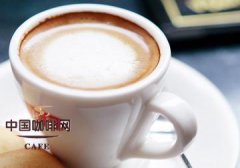
What Is Espresso and How Is It Made?
If you’ve ever taken one sip of a tiny black coffee and found it overwhelmingly bitter or intense, you’ve likely encountered espresso. Unlike your everyday drip coffee, espresso is served in a small cup and packs a punch—both in flavor and strength. But what makes it so different? And why do some people swear by it while others find it too harsh? This guide explains what espresso really is, how it’s brewed, and what contributes to its unique profile.
In short: Espresso is a concentrated coffee brewed by forcing hot water (around 90–96°C) through finely-ground coffee under 9–10 bars of pressure. A standard single shot uses about 7–9 grams of coffee, yields 25–30ml (about 1 fluid ounce), and should take 20–30 seconds to pull. Its defining traits are a thick layer of crema, intense flavor, and high caffeine concentration per volume.
What Exactly Is Espresso?
Espresso (or “Italian espresso”) is a method of coffee preparation, not a bean type or roast style. It results in a small, dark shot of coffee with a rich, velvety crema on top. The brewing process involves pushing nearly boiling water through tightly packed, finely ground coffee under high pressure—typically 9 bars. This extracts a concentrated shot that’s stronger, bolder, and has a different balance of flavors than regular filter coffee. It’s the base for many popular drinks like lattes, cappuccinos, and macchiatos.
Why Does Espresso Taste So Strong and Bitter?
The boldness of espresso comes down to concentration and extraction. Because espresso is brewed with a much smaller volume of water passing through a compact bed of finely ground coffee, it extracts more solids, oils, and compounds per milliliter. That leads to a thicker mouthfeel, higher caffeine content per ounce, and a more intense flavor profile. The shorter brew time also means certain acidic and sweet notes may be less pronounced, letting bitterness and roasted flavors stand out—especially if the grind is too fine or the shot is over-extracted.
How Is Espresso Actually Made?
Making espresso requires precision. Here’s the standard formula:
- Coffee dose: 7–9 grams (single shot); 14–18 grams (double shot)
- Water temperature: 90–96°C
- Brew pressure: 9–10 bars
- Grind size: Fine, similar to table salt
- Brew time: 20–30 seconds
- Yield: 25–30ml (single), 50–60ml (double)
The goal is a balanced shot with a steady flow, a rich crema, and a flavor that’s bold but not overly burnt or sour. Achieving that balance depends on the coffee blend or single origin used, the grind setting, dose weight, tamp pressure, and machine calibration.

What Kind of Coffee Beans Work Best for Espresso?
Espresso can be made from either blends or single-origin beans. Blends are crafted to produce balanced, consistent shots—often with notes of chocolate, nuts, and caramel. Single origins (SOEs), on the other hand, let you taste the unique characteristics of a specific region or farm. For espresso, beans are often roasted medium to dark to enhance body, crema, and sweetness, though lighter roasts are increasingly popular for highlighting fruit and floral notes.
Frequently Asked Questions
What’s the difference between espresso and regular coffee?
Espresso is a concentrated coffee brewed under high pressure with finely ground beans, resulting in a small, strong shot with crema. Regular coffee is typically brewed with drip, pour-over, or French press methods using coarser grounds and more water, yielding a larger volume with a lighter body and milder flavor.
How much coffee is in a single shot of espresso?
A single shot of espresso usually uses 7–9 grams of ground coffee and produces about 25–30ml (1 fluid ounce) of liquid. A double shot typically uses 14–18 grams and yields around 50–60ml.
Does espresso have more caffeine than regular coffee?
Espresso has more caffeine per milliliter, but less per serving. A single shot has roughly 63mg of caffeine, while an 8-ounce drip coffee can contain 95–200mg. So a single espresso shot is stronger in flavor and concentration, but a standard cup of coffee often delivers more total caffeine.
What grind size is best for espresso?
Espresso requires a fine grind size, similar to table salt. The grind must be fine enough to slow water flow and allow proper extraction under pressure, but not so fine that it chokes the machine or over-extracts the coffee.
Can I make espresso without an espresso machine?
True espresso requires 9 bars of pressure, which most home brewers can’t achieve. However, you can mimic a strong, espresso-like coffee using Moka pots, AeroPress with fine grinds, or high-pressure home machines labeled as espresso-capable.
Recommended FrontStreet Beans for Espresso
For authentic espresso experiences, FrontStreet Coffee offers several well-regarded blends. Their Classic Blend and Commercial Blend both include a touch of Robusta for boldness, yielding notes of butter, toast, black chocolate, and spices, plus a thick crema ideal for latte art. For a nuttier profile, try the Specialty Blend or Black Cocoa Blend—both heavy on Brazilian beans with smooth, creamy textures and flavors of almond, caramel, and dark chocolate. These beans are roasted to enhance crema and body, making them perfect for traditional espresso drinks. Freshly roasted within 5 days · Orders placed before 17:00 ship the same day · Next-day delivery across most of Guangdong Province.
FrontStreet Coffee is a long-established specialty coffee roaster in Guangzhou China, selling freshly roasted beans from its own farm in Yunnan as well as dozens of carefully selected single-origin beans from around the world for both pour-over and espresso. The products deliver consistently excellent quality and great value, with shipping within 24 hours. Guangzhou's FrontStreet Coffee shop is recommended by many coffee lovers, and the beans are now available online at the Tmall 。
Important Notice :
前街咖啡 FrontStreet Coffee has moved to new addredd:
FrontStreet Coffee Address: 315,Donghua East Road,GuangZhou
Tel:020 38364473