
What Is Crema in Espresso and Why It Matters
You pull your first shot of espresso and watch as a rich, caramel-colored foam rises to the surface. You’ve heard it called crema—but what is it really? And why does some crema last minutes while others vanish in seconds? More importantly, can you trust it to tell you if your coffee is any good?
Crema is the stable foam layer formed on top of a properly extracted espresso. It results from pressurized water emulsifying coffee oils and dissolving carbon dioxide released during roasting—about 8–12% of the gas remains trapped in freshly ground beans. Stable crema typically lasts 1–3 minutes depending on factors like freshness, roast level, and brewing pressure.
How Crema Forms During Espresso Extraction
During roasting, coffee beans produce large amounts of carbon dioxide. Most escapes as the beans cool, but some remains trapped inside. Grinding releases much of this CO₂, which is why you should brew espresso shortly after grinding.
When hot water (typically 90–96°C) is forced through finely ground coffee under 8–10 bars of pressure, it dissolves CO₂ beyond normal saturation levels, creating tiny bubbles. At the same time, the water emulsifies insoluble coffee oils. But simple bubbling isn’t enough to create lasting crema—it takes more than just gas.
The Science Behind Stable Crema: Surface Tension and Proteins
For bubbles to remain stable, they need a surface layer that holds them together. In milk foam, proteins do this job. In coffee, the stabilizing agent is melanoidin—a compound formed during roasting through complex chemical reactions (exact mechanisms are still not fully understood).
Melanoidin and residual proteins gather at the bubble interface, where they interact with air and reduce surface tension. This allows bubbles to stretch into a stable foam. However, coffee also contains natural oils, both liquid and solid fats. These lipids weaken foam structure—just like egg yolks ruin whipped egg whites—so excessive oil can cause crema to break down faster.
Why Freshness, Pressure, and Grind Size Affect Crema Stability
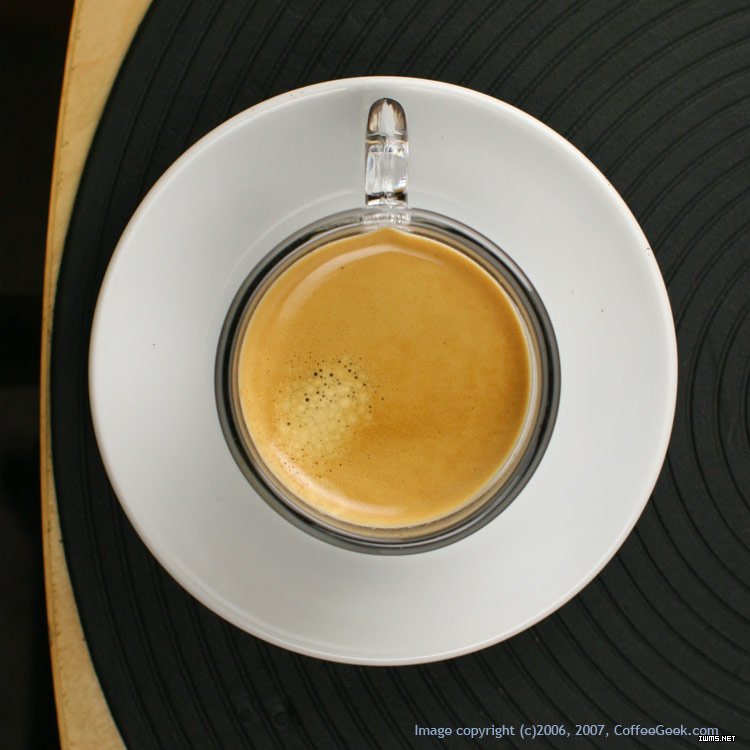
Freshly roasted and ground coffee retains more CO₂, helping form thicker, longer-lasting crema. But crema alone isn’t a perfect freshness indicator: old coffee may produce thin, fast-vanishing foam, while some fresh shots produce tall but unstable layers.
Crema dissipates as surface-active compounds are pulled away by gravity. A richer, more concentrated shot retains liquid longer around each bubble, so it usually has more durable crema than a watery, under-extracted one. Extraction time, brew temperature, and pressure all influence this balance.
What Crema Color Really Reveals (And What It Doesn’t)
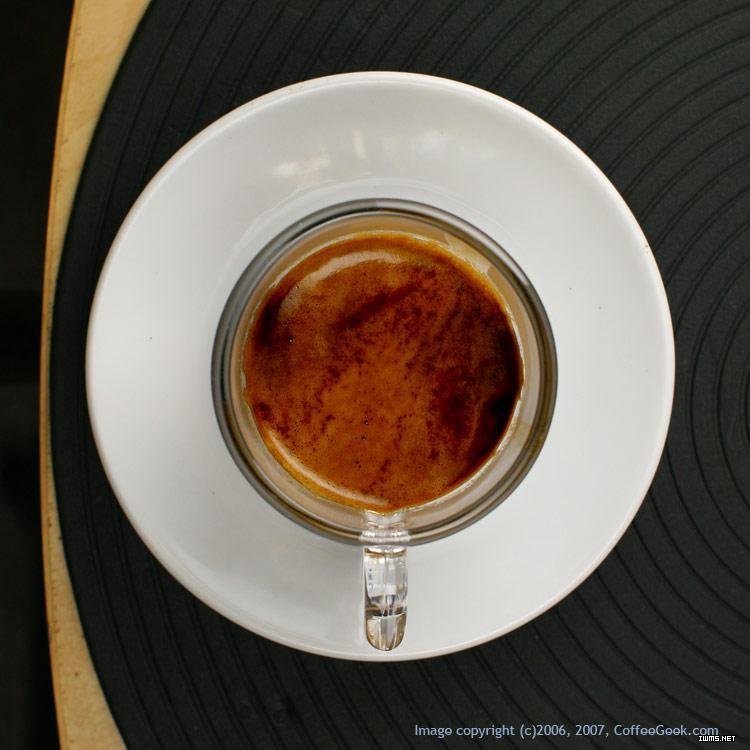
Ideally, crema should be a light reddish-brown. But colors vary—and interpreting them isn’t straightforward.
- Light or yellowish crema often means under-extraction. Short extraction times (e.g. 15 seconds) result in less dissolved coffee material, leading to thinner, paler foam. Lower brew temperatures also reduce extraction yield, affecting both taste and crema shade.
- Dark, almost burnt-looking crema suggests over-extraction. Excessively long shots or overly fine grinds can pull out bitter compounds, darkening both the espresso and its foam.
- Crema always looks lighter than the actual espresso beneath due to light reflection. Small bubbles amplify this effect—so even very dark espresso may appear to have pale crema.
Don’t rely on crema color alone to judge quality. Dark crema doesn’t guarantee great flavor, and light crema doesn’t always mean poor extraction. It mostly reflects concentration, oil levels, and bubble stability.
Espresso Blends: Arabica, Robusta, and Crema Formation
A common belief is that Robusta beans produce better crema. This has some basis: Robusta contains roughly half the aromatic oils of Arabica, so it contributes less oil to the cup. Less oil means fewer disruptions to foam structure, increasing the chance of stable, lingering crema.
Some baristas blend 5–10% Robusta into Arabica to boost crema stability without heavily altering flavor. Others suggest Robusta may contain different sugars that further support foam formation. Regardless, pure Robusta tends to create harsher, less flavorful shots—so balance matters.
One standout example comes from Brazil’s Yellow Bourbon variety (even 9 days post-roast), which consistently produces rich, stable crema. Even after the liquid drains, the foam remains intact longer than usual.
Crema Texture: Tiger Stripes and Spot Patterns
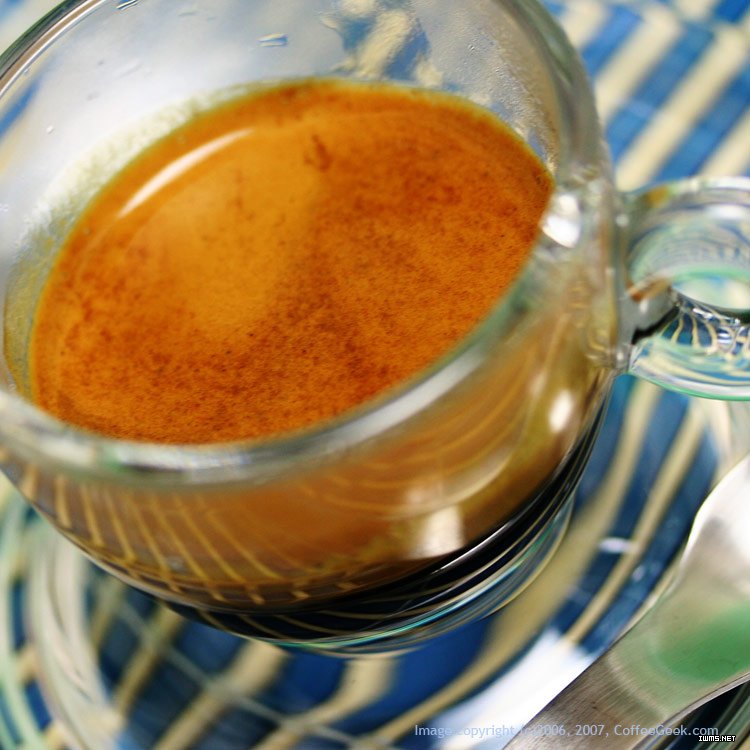
Many baristas look for reddish-brown “tiger stripes” or speckled dots on the crema surface. These spots are actually tiny fragments of finely ground coffee that extract early in the shot. Their presence suggests proper grind fineness, a well-distributed puck, and good early-stage extraction.
If the grind is too uniform in size, the coffee bed may not pack densely enough. Imagine trying to stack only basketballs versus a mix of balls in various sizes—the latter creates small gaps that improve water flow and particle interlock. Slight variation in particle size contributes to better crema structure and more even extraction.
What Crema Tells You—And What It Doesn’t
Crema can offer useful clues, but only within limits:
- It CAN indicate:
- Freshness: Fresh coffee creates bold, eruptive crema that holds together. Stale coffee yields thin, patchy foam that disappears quickly.
- Extraction level: Deeper, richer crema generally means more solubles were extracted.
- Extraction evenness: Stable, unbroken crema suggests fewer channels or gaps in the puck, pointing to a well-balanced shot.
- It CANNOT tell you:
- Taste quality: Even poor-quality or badly roasted beans can produce impressive crema if fresh.
- Proper emulsification of oils: Crema may look great even if the espresso lacks aroma or body due to low oil content. High pressure (e.g. 5–6 bar) can still generate crema without good flavor.
Demystifying Crema: It’s Simpler Than You Think
Crema is often overcomplicated. At its core, espresso consists of three elements: water, oils, and foam. The body of the espresso is a thick, emulsified liquid—what many call the “syrup” or “crema base”—stabilized by high-pressure emulsification of coffee oils. That layer is quite stable. The foam on top? It’s the first thing to fade.
Strip away the myths, and crema remains one of espresso’s simple pleasures. Its porous structure traps aromatic compounds. As it collapses, those aromas are released, contributing to both the smell and enjoyment of a well-brewed shot.
Frequently Asked Questions
What exactly is crema in espresso?
Crema is the tan, caramel-colored foam that forms on top of a properly brewed espresso. It’s created when pressurized hot water dissolves carbon dioxide from roasted coffee beans and emulsifies coffee oils, forming a layer of tiny, stable bubbles on the surface.
Why does crema disappear quickly sometimes?
Crema dissipates when surface-active compounds are pulled away by gravity, reducing bubble stability. Factors like lower coffee concentration, older beans, over-extraction, or insufficient pressure cause faster breakdown. Fresh, well-extracted espresso maintains crema longer due to better viscosity and gas retention.
Does dark crema mean better espresso?
Not necessarily. Dark crema can result from over-extraction or a very dark roast, but doesn’t guarantee good flavor. Conversely, light crema doesn’t always mean poor quality. Crema color mainly reflects concentration, extraction level, and bubble structure—not taste.
Does Robusta really make better crema than Arabica?
Yes, often. Robusta contains less aromatic oil than Arabica, which reduces oil-related foam destabilization. Blending 5–10% Robusta can improve crema stability without drastically changing flavor, though pure Robusta usually produces harsher shots.
What do the little spots or tiger stripes in crema mean?
Those are tiny coffee particles extracted early in the shot. Their presence suggests a well-distributed grind, proper puck prep, and good initial extraction. Uniformly ground coffee may not pack as well, leading to less even crema formation.
Is crema a reliable sign of espresso quality?
Not entirely. While crema can indicate freshness, extraction level, and evenness, it doesn’t reflect taste or proper oil emulsification. Great-looking crema can come from poor-quality beans, and excellent espresso can have minimal crema.
Recommended FrontStreet Beans for Crema Observation
Try FrontStreet’s Ethiopia Humbera for bright, sweet crema with lasting bubbles, thanks to its natural processing. For a balanced profile, FrontStreet’s Brazil Queen Manor offers creamy crema with notes of peanut and caramel. Or explore FrontStreet’s PWN Golden Mandheling, known for its thick, stable foam and smooth body. All three showcase different crema behaviors ideal for learning. Freshly roasted within 5 days · Orders placed before 17:00 ship the same day · Next-day delivery across most of Guangdong Province.
FrontStreet Coffee is a long-established specialty coffee roaster in Guangzhou China, selling freshly roasted beans from its own farm in Yunnan as well as dozens of carefully selected single-origin beans from around the world for both pour-over and espresso. The products deliver consistently excellent quality and great value, with shipping within 24 hours. Guangzhou's FrontStreet Coffee shop is recommended by many coffee lovers, and the beans are now available online at the Tmall 。
Important Notice :
前街咖啡 FrontStreet Coffee has moved to new addredd:
FrontStreet Coffee Address: 315,Donghua East Road,GuangZhou
Tel:020 38364473

