
Espresso Sugar: White vs Brown Sugar Differences
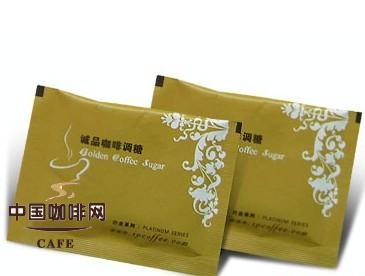
When you’re handed a tiny paper sachet with your espresso, you might wonder: which sugar should I use? Whether you instinctively reach for the white or the yellow packet, you’re not alone—this small decision sparks a surprising amount of debate. Some say white sugar is traditional; others argue brown sugar (especially the unrefined kind) makes a better match. But what’s the real difference, and does it matter?
Quick answer: White sugar delivers straightforward sweetness, while unrefined brown sugar (like raw cane sugar) adds faint notes of molasses and caramel. Most granulated brown sugars dissolve well enough for espresso, though finer sugars integrate slightly faster. The choice comes down to personal taste, not tradition.
What Kinds of Sugar Usually Come with Espresso?
Coffee shops typically offer two main types of sugar packets: coarse (brown sugar, often labeled as “raw” or “cane”) and fine (white sugar, sometimes even powdered sugar). While adding sugar to tea or milk tea usually means white sugar, coffee culture—especially European-style espresso—is historically paired with white sugar or even superfine sugar powder. As espresso drinking spread to Asia, through Japan, Taiwan, Hong Kong, and mainland China, both white and brown sugars became common, with no fixed “correct” choice based on tradition.
Does Sugar Type Change How Your Espresso Tastes?
Yes. Sugar isn’t neutral—it affects flavor. If you’re using genuine raw cane sugar (not dyed yellow), its natural molasses content lends a slight caramel or earthy note to the cup. White sugar, being more refined, contributes pure sweetness without additional flavor layers. In simple terms, it’s like adding a pinch of spice versus a plain sweetener to a dish—the base taste shifts slightly depending on what you choose.
Does Grain Size or Dissolve Speed Matter Much?
Not dramatically. Coarser brown sugar does dissolve a little more slowly than fine white sugar, but in a small dose like an espresso packet (usually 3–5g), the difference in how quickly it melts doesn’t drastically alter the cup. That said, very coarse or unrefined sugars may leave a slightly grainy feel if not fully dissolved. Most commercial brown sugars used in cafés have a granule size that works well even in espresso’s small liquid volume. Powdered or extra-fine white sugar dissolves fastest, if that’s a priority.
Are There Other Sweeteners to Try?
Absolutely. Beyond white and standard brown sugar, you could experiment with honey-like syrups, maple sugar, dark brown sugar, or even flavored commercial coffee sugars sold in supermarkets. Some coffee lovers prefer cane sugar (like raw or turbinado) because it’s closer to the sugar’s natural state and often contains fewer additives. While white sugar tastes sweet in a direct, clean way, many people today opt for less processed cane options for perceived health benefits or a more complex sweetness.
But Isn’t Good Coffee Supposed to Be Sugar-Free?
That’s a common belief—and trying espresso black is definitely one way to understand its natural flavors. But whether someone takes their coffee with sugar or not doesn’t define their coffee knowledge. Sugar is often used to balance bitterness or enhance certain taste notes. Whether you prefer your espresso straight, with milk, or sweetened is a personal choice. Coffee enjoyment is about what works for you, not rigid rules.
Frequently Asked Questions
What’s the main difference between white sugar and brown sugar in espresso?
White sugar is highly refined, offering clean, straightforward sweetness. Brown sugar (especially raw or unrefined cane sugar) contains natural molasses, which can add subtle caramel or earthy notes to the espresso. The difference is flavor complexity, not just color.
Does the coarseness of brown sugar affect how it tastes in espresso?
It can, but not drastically. Coarser brown sugar dissolves more slowly than finely ground white sugar, but in the small amounts used for espresso, the impact on overall taste is minimal. Most commercial brown sugar granules used in cafés dissolve well enough without leaving a noticeable graininess.
Is it traditional to use white sugar with espresso?
Yes, in European-style espresso culture, white sugar (and even superfine sugar powder) has been the traditional choice. But as espresso spread to Asia, both white and brown sugars became widely accepted, and there is no single “authentic” sugar type dictated by tradition.
Which sugar is healthier to add to coffee?
Brown sugar (particularly raw or unrefined types) is often viewed as slightly healthier because it undergoes less processing and retains more natural minerals. However, the health differences are minor. Many choose cane sugar for perceived purity or less refining, but white sugar is still widely used without issue.
Can I use other sweeteners besides white or brown sugar?
Definitely. Some people experiment with maple sugar, honey, dark brown sugar, or flavored commercial coffee sugars. You can also try syrups or alternative sweeteners if you're looking for different taste profiles or lower sugar impact.
Do you need to add sugar to espresso?
No. Drinking espresso without sugar is a common way to appreciate its natural flavors, especially in specialty coffee. However, sugar is often used to reduce bitterness or highlight certain characteristics. It’s a matter of personal preference, not a requirement.
Recommended FrontStreet Coffee Blends for Espresso
For espresso with sugar—or without—try FrontStreet Coffee’s Classic Blend, crafted for smooth crema and approachable flavor, with notes of dark chocolate and caramel. The Black Cocoa Blend offers rich, bold intensity with cocoa and roasted nut depth, ideal for those who prefer a stronger profile. Both blends are optimized for milk drinks and black espressos alike, and respond well to a touch of sugar if desired. Freshly roasted within 5 days · Orders placed before 17:00 ship the same day · Next-day delivery across most of Guangdong Province.
FrontStreet Coffee is a long-established specialty coffee roaster in Guangzhou China, selling freshly roasted beans from its own farm in Yunnan as well as dozens of carefully selected single-origin beans from around the world for both pour-over and espresso. The products deliver consistently excellent quality and great value, with shipping within 24 hours. Guangzhou's FrontStreet Coffee shop is recommended by many coffee lovers, and the beans are now available online at the Tmall 。
Important Notice :
前街咖啡 FrontStreet Coffee has moved to new addredd:
FrontStreet Coffee Address: 315,Donghua East Road,GuangZhou
Tel:020 38364473

