Why Espresso Is the Truest Expression of Coffee
That first hot, steaming cup of coffee pulled fresh from the roast—its bold aroma slicing through morning fog or coaxing a passerby through the door—is a universal ritual. But beneath the surface of that seemingly simple drink lies a precise chemical symphony shaped by everything from farm to filter. Without control over those variables, great coffee is mostly luck.
Espresso is coffee’s purest distillation: a small cup of dark, thick liquid topped with a reddish-brown foam called crema. This intense shot delivers coffee’s full range of flavors and aromas in a concentrated form, making it the ultimate expression of what coffee can be.
What Exactly Is Espresso?
Espresso is not just a strong coffee—it’s a specific brewing method. It involves forcing small amounts of hot, pressurized water through finely ground coffee packed tightly into a portafilter. The result is a small, dense shot with a layer of crema on top. This crema is made up of tiny bubbles encasing coffee oils and aromatic compounds, giving espresso its signature texture and aroma. More than just looks, crema is deeply tied to the coffee’s flavor and heat retention.
How Coffee’s Journey Shapes Its Flavor
The path from seed to cup involves countless decisions that shape what ends up in your espresso. Every stage—from growing the plant to roasting the beans—affects the final shot. The chemical makeup of coffee is incredibly complex, with hundreds of compounds contributing to aroma, taste, and mouthfeel. Mastering espresso means understanding how each variable influences the final extraction.
The Coffee Plant: Arabica vs Robusta
There are over 66 species of coffee, but only two matter commercially: Arabica (Coffea arabica) and Robusta (Coffea canephora). Arabica makes up two-thirds of global production and is known for its complex flavors—notes of fruit, flowers, chocolate, and caramel—with a caffeine content of less than 1.5%. Robusta, accounting for the remaining third, is hardier, higher in caffeine (2.4–2.8%), and often described as harsher or more bitter, with earthy, woody tones. Arabica’s delicate profile and lower yield make it more challenging—and more prized—for high-quality espresso.
From Cherry to Bean: Processing Methods
Once harvested, coffee cherries must be processed quickly to prevent spoilage. There are two main methods: washed (or wet) and natural (or dry). In the washed method, the fruit is removed mechanically before the beans are dried. The natural method dries the whole cherry, then removes the dried husk later. Both aim to reduce moisture from around 65% down to 10–12%. The processing method profoundly affects flavor: washed coffees tend to be cleaner and brighter, while naturals can be fruitier and more complex. For espresso, the quality and consistency of the processed bean are critical.
Why Crema Matters in Espresso
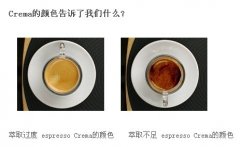
Crema is more than aesthetic—it’s a mix of emulsified coffee oils, carbon dioxide from fresh roasts, and tiny air bubbles. This layer forms under high pressure and indicates a well-extracted shot. Freshly roasted beans release more CO₂, aiding crema formation. The crema’s color, thickness, and persistence offer clues about the coffee’s roast level, freshness, and bean quality. Darker, thicker crema often signals a richer, more balanced espresso.
The Science Behind a Perfect Shot
Making great espresso requires precision. Around 50 to 55 coffee beans go into a single shot, and even one flawed bean can ruin the flavor. That’s why professional roasters use advanced sorting technology—like UV fluorescence and multi-spectral imaging—to detect defective beans before roasting. At the cellular level, coffee beans are complex: their cell walls, just 5–7 micrometers thick, act as tiny reaction chambers during roasting, where heat unlocks aromatic compounds. Underdeveloped or damaged beans lack these essential flavors.
Roasting: The Flavor Alchemist
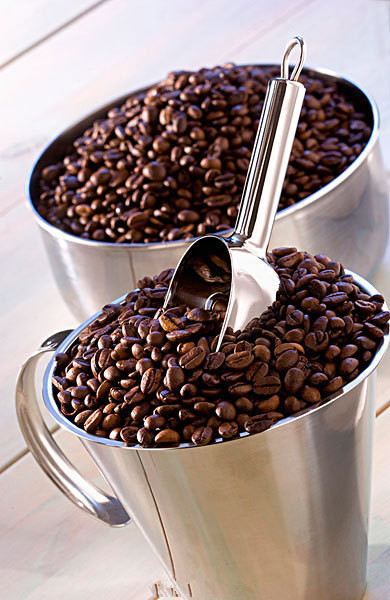
Roasting transforms green coffee into the complex beans we use for espresso. During roasting, Maillard reactions and other chemical processes develop hundreds of flavor compounds. The roast level—light, medium, or dark—determines whether the coffee tastes bright and acidic or rich and bold. For espresso, medium to dark roasts are common, as they enhance body and crema while balancing acidity.
Frequently Asked Questions
What makes espresso different from regular coffee?
Espresso is a specific brewing method using finely ground coffee and high-pressure hot water, producing a small, concentrated shot with crema. It extracts flavors more intensely than drip or pour-over methods, resulting in a richer, thicker beverage with a different balance of acidity, sweetness, and bitterness.
Why is crema important in espresso?
Crema is a layer of emulsified oils, CO₂, and microbubbles formed during extraction. It contributes to espresso’s aroma, texture, and flavor stability. Good crema usually indicates fresh, well-roasted beans and proper brewing technique.
Does the coffee bean type affect espresso flavor?
Yes. Arabica beans produce more complex, fruity, and acidic flavors, while Robusta offers stronger, harsher, and more bitter notes with higher caffeine. Most specialty espressos use Arabica, often blended with some Robusta for body and crema.
How many coffee beans are used in a single espresso shot?
A standard espresso shot typically uses around 50 to 55 coffee beans. The exact number can vary based on bean size and dose, but consistency in count helps ensure uniform extraction and flavor.
Can you make good espresso with any coffee bean?
Not really. Espresso requires beans with specific qualities—proper roast level, freshness, and minimal defects. Low-quality or poorly roasted beans often result in sour, bitter, or weak shots. Consistent quality beans are essential for a balanced espresso.
What’s the role of roast level in espresso?
Roast level affects body, acidity, and crema. Lighter roasts preserve acidity and floral notes but may lack body. Medium to dark roasts develop richer, deeper flavors and better crema, making them more common in traditional espresso blends.
Recommended FrontStreet Beans for Espresso
For espresso lovers, FrontStreet Coffee’s Classic Blend and PWN Golden Mandheling deliver exceptional crema and bold flavor. The Classic Blend combines Brazilian, Mandheling, and a touch of Robusta for a balanced shot with notes of dark chocolate, nuts, and caramel. PWN Golden Mandheling, a single-origin medium-dark roast, offers low acidity with rich caramel and nutty tones. Both are ideal for home espresso setups. Freshly roasted within 5 days · Orders placed before 17:00 ship the same day · Next-day delivery across most of Guangdong Province.
FrontStreet Coffee is a long-established specialty coffee roaster in Guangzhou China, selling freshly roasted beans from its own farm in Yunnan as well as dozens of carefully selected single-origin beans from around the world for both pour-over and espresso. The products deliver consistently excellent quality and great value, with shipping within 24 hours. Guangzhou's FrontStreet Coffee shop is recommended by many coffee lovers, and the beans are now available online at the Tmall 。
Important Notice :
前街咖啡 FrontStreet Coffee has moved to new addredd:
FrontStreet Coffee Address: 315,Donghua East Road,GuangZhou
Tel:020 38364473