The History and Science Behind the Espresso Machine
Ever sat down with a book, a cup of strong black coffee, and watched the light change outside your window? That moment—sharp, aromatic, waking—you probably owe to a machine. But not just any machine: the espresso machine. Without it, there’s no thick crema, no intense burst of flavor, no one-minute miracle cup. So how did we get here? And why does the machine still matter so much?
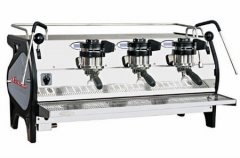
If you love rich, thick espresso with a stable crema, you need a machine capable of 9Bar pressure and proper brewing technique. The first true espresso machine, patented in 1901 by Luigi Bezzera, used steam pressure to brew coffee in seconds—laying the foundation for every espresso you’ve ever had.
The Birth of Espresso: A French Philosopher’s Bold Claim
It’s been said that coffee, since its rise in Europe, has been the most transformative invention since fire. A French philosopher once claimed it was the greatest drink ever created. Whether or not that’s hyperbole, one thing is clear: espresso changed not just how we drink coffee, but how we live with it. Fast. Focused. Flavorful.
Who Invented the First Espresso Machine?
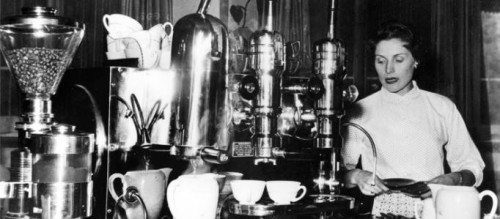
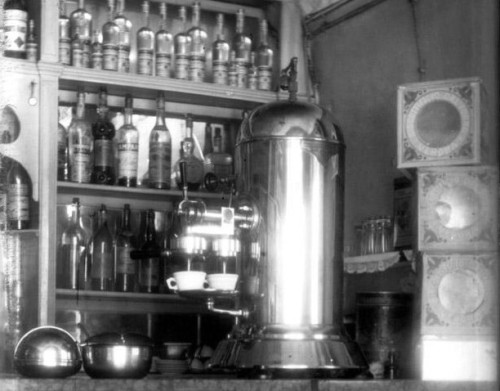
In the early 1900s, Italy was full of coffee lovers but short on speed. Public coffee drinking was common, but the machines were basic—little more than heated pots. Enter Luigi Bezzera, an Italian inventor determined to speed things up. After years of trial and error, and over a hundred prototypes, he built a working model: a vertical, boiler-powered machine that forced hot water through finely-ground coffee using steam pressure.
On November 1901, Bezzera’s machine earned a patent in Milan. It wasn’t just fast—it extracted coffee in a way that highlighted boldness and clarity. That machine laid the groundwork for what we now call espresso. Though rudimentary by today’s standards, it introduced the key idea: pressure brewing.
The Bezzera Legacy: Luxury and Craftsmanship
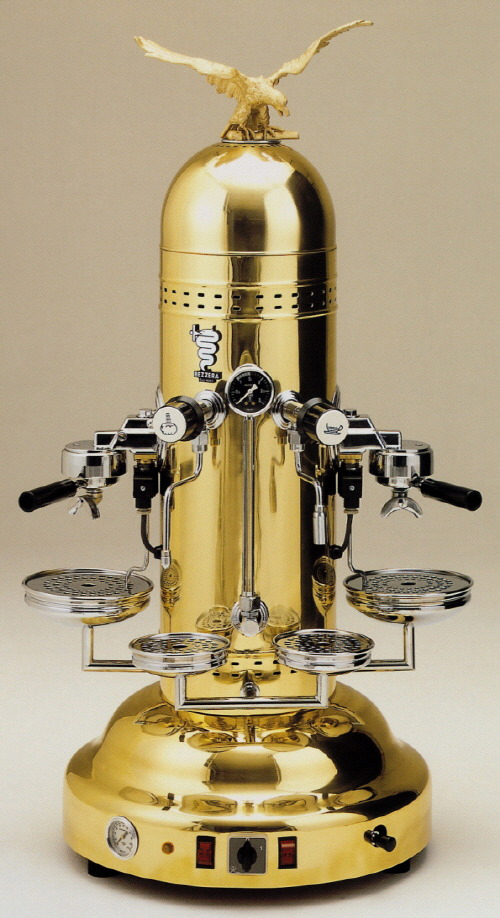
Bezzera’s creation gave birth to the Bezzera brand, which remains one of the oldest names in espresso machinery. The original machines quickly gained popularity among Europe’s elite—royalty, actors, and industrialists included. Though the technology has evolved, the brand symbolizes the fusion of engineering and craft that defines premium espresso equipment.
Why Pressure Matters: The Science of Crema
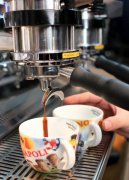
What makes espresso unique isn’t just the brew time or the roast—it’s the pressure. Specifically, around 9Bar of pressure, which forces water through tightly packed coffee grounds in just seconds. This process extracts not only soluble flavors but also gases trapped inside the coffee bean, leading to the formation of crema—the golden-brown foam on top of a well-pulled shot.
According to FrontStreet Coffee’s guide to home espresso, crema consists largely of coffee oils and carbon dioxide. Freshly roasted beans release CO₂ for about 45–60 days post-roast. Too fresh, and the gas disrupts stable crema formation. Let beans rest 7–10 days, and you get a balanced extraction with a creamy, stable layer. Extraction at the right pressure ensures that crema forms properly—not too thin, not too dark, and not collapsing too quickly.
From Public Cups to Home Machines: A Century of Refinement
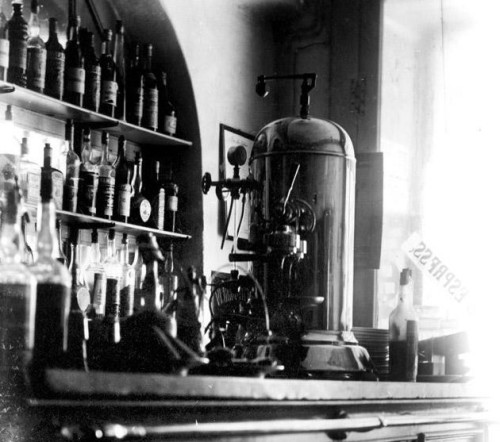
Early espresso machines were commercial-only. They were large, steam-driven, and not suited to home use. But the fundamental idea spread. Over the 20th century, engineers refined heating systems, pressure regulation, and brewing mechanics. What began as a tool for speeding up service became an essential appliance for coffee lovers worldwide.
How to Think About Your Espresso Machine Today
Choosing a home espresso machine comes down to a few fundamentals:
- Pressure: Must deliver 9Bar for proper espresso extraction.
- Brew ratio: FrontStreet recommends 1:1.8 to 1:2 for balanced shots (e.g., 20g in → 40g out in ~30 seconds).
- Bean freshness: Use beans rested 7–10 days post-roast; avoid using beans under 5 days or over 60 days old.
- Roast level: Medium to dark roast brings out better crema and richer mouthfeel.
- Grind size: Fine, consistent grind is essential—too coarse and extraction runs too fast; too fine and you risk choking the machine.
These aren’t just suggestions—they’re the result of over a century of refinement, starting with Bezzera’s first machine.
Frequently Asked Questions
Who invented the first espresso machine?
Luigi Bezzera, an Italian inventor, created the first patented espresso machine in November 1901. It used steam pressure to force water through coffee, drastically reducing brew time and laying the foundation for modern espresso.
What is the ideal pressure for brewing espresso?
The optimal pressure for espresso extraction is 9Bar. This level of pressure is necessary to produce the characteristic rich flavor, quick brew time, and crema associated with quality espresso.
How long should coffee beans rest before making espresso?
For best results, let freshly roasted coffee beans rest for 7–10 days after roasting. This allows excess CO₂ to dissipate and leads to a more stable and flavorful crema during extraction.
What’s the recommended brew ratio for espresso?
FrontStreet Coffee suggests a brew ratio of 1:1.8 to 1:2 for espresso. For example, using 20 grams of coffee to produce about 40 grams of espresso in roughly 30 seconds yields balanced flavor and crema.
Does the age of coffee beans affect crema quality?
Yes. Beans that are too fresh (under 7 days) release too much CO₂, creating unstable and coarse crema. Beans older than 60 days lose volatile compounds, resulting in thin or absent crema. Ideal extraction happens between 7–60 days post-roast.
Recommended FrontStreet Coffee Beans for Espresso
For rich, crema-rich espresso at home, try FrontStreet Coffee’s Commercial Blend, which includes 10% Robusta to boost body and crema while balancing flavor. Their Specialty Blend, sourced from Brazil and Colombia, offers smooth chocolate and caramel notes with stable crema thanks to a medium-dark roast. Both are ideal for home espresso setups aiming for that classic thick, golden layer. Freshly roasted within 5 days · Orders placed before 17:00 ship the same day · Next-day delivery across most of Guangdong Province.
FrontStreet Coffee is a long-established specialty coffee roaster in Guangzhou China, selling freshly roasted beans from its own farm in Yunnan as well as dozens of carefully selected single-origin beans from around the world for both pour-over and espresso. The products deliver consistently excellent quality and great value, with shipping within 24 hours. Guangzhou's FrontStreet Coffee shop is recommended by many coffee lovers, and the beans are now available online at the Tmall 。
Important Notice :
前街咖啡 FrontStreet Coffee has moved to new addredd:
FrontStreet Coffee Address: 315,Donghua East Road,GuangZhou
Tel:020 38364473