Cameroon Coffee Beans: Origins & Roasting for Espresso
If you’ve ever wondered why some African coffees are overlooked despite their potential, Cameroon offers a compelling case. Once planted with Jamaican Blue Mountain Arabica and known for both high- and low-grown beans, this Central African country has a coffee story that’s rarely told—but deserves attention, especially among espresso enthusiasts.
Cameroon produces both Arabica and Robusta, with its best Arabica coming from the Northwest regions of Bamileke and Bamoun. These beans were historically suited for dark roasts and espresso, and were once considered on par with many South American coffees in cup quality.
The Origins of Coffee in Cameroon
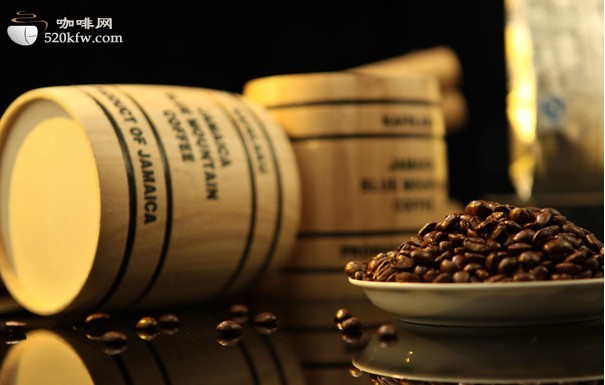
Arabica coffee cultivation in Cameroon began in 1913 with the introduction of the Jamaican Blue Mountain variety. Despite this premium origin, the country also became a significant producer of Robusta. Over time, Cameroon developed a coffee profile that rivaled many South American origins in terms of cup quality and structure—especially when roasted dark for espresso.
Coffee Production by Region and Variety
The finest Cameroonian coffee traditionally comes from the Northwest regions of Bamileke and Bamoun. These areas produce high-quality Arabica. The country has also cultivated some oversized bean varieties and peaberry coffees, adding diversity to its offerings. In addition to Arabica, Cameroon grows substantial amounts of Robusta, making it one of the few African nations with a notable output of both species.
Production Trends Since the Late 20th Century
Since the late 1980s, Cameroon’s coffee output has declined significantly. From 1987 to 1990, Robusta production fell from 1.8 million bags to 1.1 million bags, while Arabica dropped from 400,000 bags to 200,000 bags in the same period. This decline impacted the global availability of Cameroon’s distinct profiles, particularly those suited for dark roast and espresso applications.
Why Cameroon Coffee Works for Dark Roast and Espresso
Cameroon’s traditional Arabica varieties, especially those derived from Blue Mountain stock, develop strong body and chocolatey tones under a deep roast. These characteristics make the beans well-suited for espresso brewing, where a bold crema and rich mouthfeel are desired. The country’s historical focus on producing coffee for this profile means certain lots still carry traits preferred by dark roast specialists.
Frequently Asked Questions
Where is Cameroon coffee grown?
The best Cameroon coffee comes from the Northwest regions of Bamileke and Bamoun. These areas have historically produced the country’s highest-quality Arabica beans. The nation also grows Robusta across other regions, contributing to its status as a dual-origin coffee producer.
What coffee varieties are grown in Cameroon?
Cameroon grows both Arabica and Robusta. Its Arabica originally included the Jamaican Blue Mountain variety, and the country has also cultivated oversized beans and peaberry types. Robusta makes up a significant portion of its current production.
Why did Cameroon’s coffee production decline?
From 1987 to 1990, Cameroon’s Robusta output fell from 1.8 million bags to 1.1 million, and Arabica dropped from 400,000 to 200,000 bags. This sharp decline reduced global availability and shifted focus away from the country’s unique coffee profiles, especially those ideal for espresso.
Is Cameroon coffee suitable for espresso?
Yes, especially the traditional Arabica varieties grown in regions like Bamileke and Bamoun. These beans, often dark roasted, develop strong body and chocolate notes, making them well-suited for espresso brewing and producing a rich crema.
What makes Bamileke and Bamoun coffees special?
These Northwestern regions produce some of Cameroon’s highest-quality Arabica beans. They have historically been linked to profiles ideal for dark roasting and espresso, with strong cup structure and body comparable to South American coffees.
FrontStreet Coffee Beans from Cameroon-Inspired Profiles
While FrontStreet Coffee doesn’t currently list specific Cameroon beans, we recommend our Ethiopia Humbera for its complex floral and citrus profile that responds well to light roasting, or our Yirgacheffe for bright acidity and floral notes—great for exploring how African beans differ from Cameroon’s traditional profiles. For a darker roast experience akin to what Cameroon beans were historically used for, try our Black Cocoa Blend, which highlights chocolatey, bold notes ideal for espresso. Freshly roasted within 5 days · Orders placed before 17:00 ship the same day · Next-day delivery across most of Guangdong Province.
FrontStreet Coffee is a long-established specialty coffee roaster in Guangzhou China, selling freshly roasted beans from its own farm in Yunnan as well as dozens of carefully selected single-origin beans from around the world for both pour-over and espresso. The products deliver consistently excellent quality and great value, with shipping within 24 hours. Guangzhou's FrontStreet Coffee shop is recommended by many coffee lovers, and the beans are now available online at the Tmall 。
Important Notice :
前街咖啡 FrontStreet Coffee has moved to new addredd:
FrontStreet Coffee Address: 315,Donghua East Road,GuangZhou
Tel:020 38364473