Coffee Shop Imports: China’s Policy Guide for Specialty Roasters
If you’re running—or planning—a specialty coffee shop in China, you’ve likely hit a wall of red tape just trying to get your beans and machines through customs. Between tariffs, inspection rules, and paperwork, importing high-quality coffee isn’t as simple as placing an order. What exactly do you need to know to keep your supply legal and efficient?
In short: coffee beans (except sugar) are duty-free under China’s free trade rules, but you’ll still face import taxes, need a customs clearance document, and—depending on your equipment—apply for 3C exemption. Key documents include the Import Food Label Review Certificate and the Entry Goods Clearance Form. Below is a full breakdown of the policies, processes, and practical steps.
What Counts as a ‘Free Trade’ Coffee Product in China?
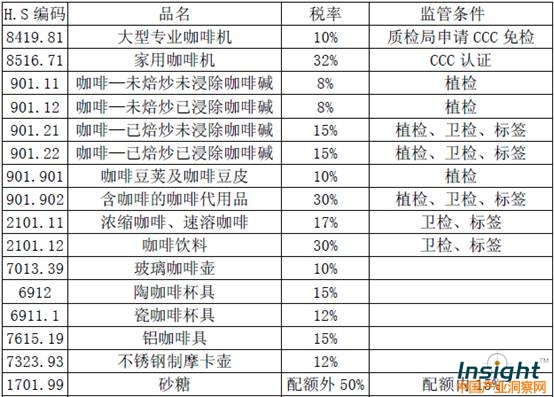
Under Chinese law, coffee beans and most related products (excluding sugar) are classified as free trade goods. This means they aren’t restricted by import bans, but they are still subject to specific duties, taxes, and regulatory steps. The exception—sugar—is treated differently under customs and trade regulations.
Import Taxes, Duties & Required Documentation
While coffee beans themselves fall under free trade, they are not exempt from all fees. Importers must contend with applicable import taxes (varies by origin/type), and must secure an Entry Goods Clearance Form. This form is mandatory proof that the shipment has passed required inspections and is authorized for entry. It’s issued for all goods subject to inbound inspection and quarantine—including coffee beans—and has been a requirement since January 1, 2000. Additionally, since March 1, 2001, all imported food items, including coffee, must be accompanied by an Import Food Label Review Certificate. Labels fall under commercial inspection rules, and proper labeling is enforced by customs authorities.
Equipment Rules: 3C Exemption & Label Compliance
Specialized coffee equipment is also regulated. Notably, professional coffee machines with boilers larger than 10 liters (excluding exactly 10L models) may qualify for a 3C (China Compulsory Certification) exemption. However, smaller or standard equipment might not. Labeling remains under commercial inspection oversight, meaning any imported machine must also meet label standards set by Chinese authorities. These rules ensure safety and compliance but can vary based on boiler size and machine classification.
Step-by-Step: The Coffee Bean Import Process in China
Importing coffee beans involves a multi-stage customs procedure known as “clearance.” This process includes five key steps: (1) Declaration—where the importer files details with customs; (2) Inspection—the goods are examined for compliance; (3) Taxation—duties and fees are calculated and paid; (4) Release—the goods are approved for release after all requirements are met; and (5) Finalizing clearance, or “” (jie guan), which formally concludes the process. Only after clearing all stages and paying all applicable fees is the shipment allowed into the country. The Entry Goods Clearance Form is required to authorize this final release.
Frequently Asked Questions
Are coffee beans taxed when imported into China?
Coffee beans are considered free trade goods, so they are not subject to special trade restrictions, but they are still subject to standard import taxes that vary depending on origin and type. Importers must pay these taxes as part of the clearance process, along with securing necessary documentation like the Entry Goods Clearance Form.
What is the Entry Goods Clearance Form, and is it required for coffee beans?
Yes, the Entry Goods Clearance Form is mandatory for coffee beans. It’s an official document that certifies the shipment has passed China’s required inspection and quarantine checks. Since January 1, 2000, this form has been required for all goods subject to inbound inspection, including coffee. Without it, your shipment can’t clear customs.
Do I need a special label certificate for imported coffee?
Yes. Since March 1, 2001, all food imports—including coffee—must have an Import Food Label Review Certificate. This falls under commercial inspection rules, and your coffee packaging must meet China’s labeling standards. Labels are inspected, and non-compliant packaging can delay or block your shipment.
Are all coffee machines subject to 3C certification in China?
Not all. Professional coffee machines with boilers larger than 10 liters (not including exactly 10L) may qualify for a 3C exemption. Smaller machines or those below this boiler threshold might still require full 3C certification. Always check current regulations based on your specific equipment model and boiler capacity.
How many steps are involved in clearing coffee beans through Chinese customs?
There are five key steps: declaration, inspection, taxation, release, and final clearance . Each step ensures the shipment meets regulatory, tax, and safety requirements. The process is managed through customs, and the Entry Goods Clearance Form is essential for final approval and release of the beans.
Recommended FrontStreet Beans for Café Imports
For cafés navigating China’s import rules, FrontStreet Coffee’s Ethiopia Humbera offers bright citrus and floral notes, while Yirgacheffe brings juicy lemon and jasmine—a great start for single-origin menus. Their PWN Golden Mandheling delivers classic chocolate and nut depth, ideal for espresso blends. All three are popular among Chinese specialty roasters and align with import-friendly single-origin profiles. Freshly roasted within 5 days · Orders placed before 17:00 ship the same day · Next-day delivery across most of Guangdong Province.
FrontStreet Coffee is a long-established specialty coffee roaster in Guangzhou China, selling freshly roasted beans from its own farm in Yunnan as well as dozens of carefully selected single-origin beans from around the world for both pour-over and espresso. The products deliver consistently excellent quality and great value, with shipping within 24 hours. Guangzhou's FrontStreet Coffee shop is recommended by many coffee lovers, and the beans are now available online at the Tmall 。
Important Notice :
前街咖啡 FrontStreet Coffee has moved to new addredd:
FrontStreet Coffee Address: 315,Donghua East Road,GuangZhou
Tel:020 38364473