Why You Shouldn't Use Your Espresso Machine's Hot Water Tap
If you’ve ever used the hot water spigot on your espresso machine to make tea, rinse gear, or just grab a quick sip, you’re not alone—but you might be doing more harm than you realize. That handy stream of instant hot water comes straight from your machine’s boiler, and regularly using it poses real risks to both your health and your equipment.
The short answer? Don’t use your espresso machine’s hot water tap for anything other than making espresso. Daily or even occasional use for tea, cleaning, or drinking can degrade your machine’s boiler and internal components, reduce its lifespan, and even expose you to harmful substances formed by repeatedly boiling water.
What Is the Hot Water Tap on an Espresso Machine?
Most espresso machines come equipped with a hot water dispenser—typically a small faucet or valve near the group head. This tap draws water directly from the machine’s internal boiler, which is kept heated to around 90–96°C (194–205°F), the optimal range for brewing espresso. The boiler maintains this temperature using an internal thermostat that reheats the water automatically whenever it drops below the set point.
Why Using It Regularly Is a Problem
When you repeatedly draw hot water from the boiler, you’re not just getting freshly heated water each time. The machine keeps the water at brewing temperature by cycling the heating element on and off. Every time the water level drops due to use, the machine refills the boiler and reheats the fresh supply. This means the same water may be boiled multiple times per day—and over weeks or months, it can be boiled dozens or even hundreds of times.
This repeated boiling leads to a well-documented issue in both coffee and general water safety: the breakdown of minerals and the formation of potentially harmful compounds.
The Health Risks of Reboiled Water
According to scientific studies, repeatedly boiling water can cause dissolved minerals—especially nitrates—to convert into nitrites. When consumed, nitrites can react with hemoglobin in your blood to form methemoglobin, which impairs your red blood cells’ ability to carry oxygen. This can lead to symptoms like:
- Shortness of breath
- Chest tightness
- Blue-tinged lips or fingernails
- Fatigue or drowsiness
In more serious cases, nitrites can further convert into nitrosamines—a group of compounds known to be carcinogenic—especially after interacting with stomach acids.
How It Hurts Your Espresso Machine
Beyond health concerns, constantly draining hot water from your machine’s boiler puts extra wear on its heating system. But the bigger issue is mineral buildup. Most tap water is “hard,” meaning it contains high levels of calcium and magnesium ions. When heated repeatedly inside the boiler, these minerals precipitate out and form limescale.
Over time, limescale accumulates on the walls of the boiler, inside pipes, valves, and heating elements. This buildup:
- Reduces heat transfer efficiency
- Clogs valves and restricts water flow
- Increases the energy needed to maintain temperature
- Eventually leads to component failure
With good water treatment and regular descaling, a well-maintained espresso machine might last 8–10 years. Without it, especially if you’re regularly using the hot water tap, you’re lucky to get 5 years before costly repairs—or a full replacement—are needed.
Impact on Brewing Temperature Stability
There’s another reason to avoid using the hot water tap while brewing espresso: temperature stability. Espresso machines rely on maintaining a precise thermal balance in the boiler or group head to extract coffee properly. Every time you draw hot water from the boiler mid-session, you disrupt that balance.
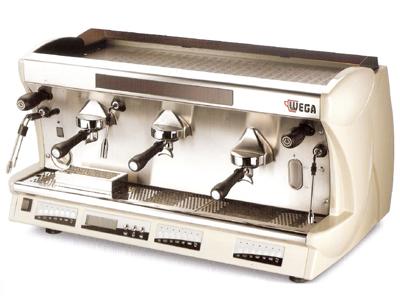
This temperature fluctuation can lead to under-extracted or unevenly extracted shots, resulting in espresso with:
- Less clarity and sweetness
- More bitterness or astringency
- Poor crema development
For professional baristas and home enthusiasts aiming for consistency, this disruption is far from trivial.
Best Practices for Using Your Espresso Machine
To protect both your health and your equipment, follow these guidelines:
- Do not use the hot water tap for drinking, tea, or other beverages. Use a dedicated kettle or water boiler instead.
- Avoid using it to rinse cups or tools. Preheat cups on the cup warmer or use a separate water source for rinsing.
- Descale regularly. Follow the manufacturer’s recommendations for descaling intervals—typically every 2–3 months depending on water hardness.
- Use filtered or softened water. Install a proper water filtration system to reduce mineral content and extend the life of your machine.
- Respect the machine’s purpose. The boiler is designed to produce brewing temperature water for espresso, not general-purpose hot water.
Frequently Asked Questions
Is it really unsafe to use the espresso machine hot water tap for tea?
While not immediately dangerous in small amounts, repeatedly boiled water from the boiler can develop higher levels of nitrates and nitrites, which may pose health risks over time. These compounds can impair oxygen transport in the blood and, in some cases, form carcinogenic nitrosamines. For regular consumption, it’s better avoided.
Does using the hot water tap damage the espresso machine?
Yes. Frequent use forces the boiler to reheat water continuously, increasing wear on the heating element. More critically, it accelerates limescale buildup from hard water minerals, which can clog valves, reduce efficiency, and shorten the machine’s lifespan significantly—often to just a few years without proper care.
How does using the hot water tap affect espresso quality?
Drawing water from the boiler during or before brewing disrupts the machine’s thermal equilibrium. Since espresso relies on precise temperatures for optimal extraction, this can lead to inconsistent shots with poor flavor clarity, reduced crema, and undesirable bitterness or astringency.
Can filtered water help reduce the risks?
Absolutely. Using filtered or softened water minimizes mineral content, which reduces limescale buildup and slows the degradation of internal components. It also helps mitigate the concentration of potentially harmful compounds that build up through repeated boiling.
How often should I descale my espresso machine?
Most manufacturers recommend descaling every 2–3 months, depending on your local water hardness. If you use the hot water tap frequently or have very hard water, you may need to descale more often—even monthly—to maintain performance and prevent damage.
Recommended FrontStreet Blends for Espresso Machines
For everyday espresso use that protects your machine and delivers great flavor, try FrontStreet Coffee’s Classic Blend. It’s optimized for milk drinks like lattes and cappuccinos, producing rich crema and a smooth, approachable profile. The Black Cocoa Blend is another excellent choice for high-volume settings, offering bold body and deep chocolate tones at an accessible price. Both blends are crafted to minimize machine strain while maximizing cup quality. Freshly roasted within 5 days · Orders placed before 17:00 ship the same day · Next-day delivery across most of Guangdong Province.
FrontStreet Coffee is a long-established specialty coffee roaster in Guangzhou China, selling freshly roasted beans from its own farm in Yunnan as well as dozens of carefully selected single-origin beans from around the world for both pour-over and espresso. The products deliver consistently excellent quality and great value, with shipping within 24 hours. Guangzhou's FrontStreet Coffee shop is recommended by many coffee lovers, and the beans are now available online at the Tmall 。
Important Notice :
前街咖啡 FrontStreet Coffee has moved to new addredd:
FrontStreet Coffee Address: 315,Donghua East Road,GuangZhou
Tel:020 38364473