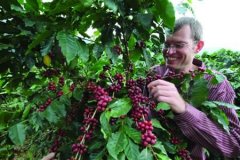
Why Coffee Captivates Over a Billion People Daily
Every morning, roughly one billion people reach for a cup of coffee to kickstart their day. For many, it’s not just about caffeine — it’s a ritual, a comfort, and increasingly, a health choice. But why does this bitter, dark drink hold such power over so many, especially as coffee culture grows in traditionally tea-drinking countries like China?
The simple answer? Coffee is the world’s second-most consumed beverage after water, with 400 billion cups drunk globally each year — that’s 14,000 cups every second. And for millions, it’s not just habit-forming, it’s beneficial.
Coffee by the Numbers: A Global Perspective
Coffee is one of the oldest and most traded commodities in the world, second only to oil. In the West, it’s a daily driver — think commuters clutching takeaway cups on their way to work. In China, Starbucks alone has become a household name, recognized even by the elderly. Globally, Finns lead per-capita consumption, drinking 12kg of coffee each in 2008. Japan has surpassed Germany as the world’s second-largest coffee consumer. In the U.S., more than half the population drinks coffee daily, and nearly 90% have it with breakfast.
In contrast, while coffee is well-known in China, consumption remains relatively low. Surveys show the average Chinese person drinks fewer than 100 cups per year. Among drinkers, 56% are male and 44% female. The 41–50 age group drinks the most (24%), followed by those aged 21–30 (18%).
What’s Really in Your Cup?
Coffee is more than caffeine. It contains protein, fats, niacin, tannins, alkaloids, potassium, and dietary fiber. Once dismissed as unhealthy, coffee is now recognized for a host of benefits backed by multiple medical experts.
Health Benefits Backed by Experts
Cardiovascular specialist Hu Dayi, co-author of 101 Reasons Why Coffee Is Not Guilty, says moderate, regular coffee intake protects the heart better than wine. Coffee improves left ventricular function and coronary blood flow, reducing cardiovascular risks. Cardiologists recommend 1–2 cups daily, preferably not too strong and without sugar, with older adults sticking to one.
Coffee’s polyphenols act as powerful antioxidants. Liu Jinying of the Cancer Hospital Chinese Academy of Medical Sciences says these compounds help prevent and support cancer treatment. The same polyphenols also protect the liver. Japanese research shows chlorogenic acid in coffee aids alcohol metabolism and prevents intoxication.
Studies link coffee consumption with lower rates of type 2 diabetes, due to reduced intestinal glucose absorption. It also aids digestion: the soluble fiber in coffee exceeds that of orange juice, and caffeine stimulates gut motility, easing constipation. Post-meal coffee helps break down fats, especially for meat-heavy diets.
Psychologically, regular coffee drinkers report improved mood and reduced irritability. Caffeine’s impact on dopamine and adenosine receptors contributes to this effect. Athletes benefit too: University of Georgia research finds two post-workout coffees reduce muscle soreness.
How to Drink Coffee the Healthy Way
Not all coffee is created equal. Avoid “junk coffee” like three-in-one instant blends, which often contain trans fats from coffee creamers — linked to heart disease and diabetes. Freshly ground coffee is best. Roast level matters: light roasts can be overly acidic, dark roasts overly bitter, but medium roast offers balanced flavor and health benefits.
Food scientist Fan Zhihong recommends mixing 2/3 coffee with 1/3 whole milk, no sugar, for optimal taste and nutrition. Limit daily caffeine to 250mg — about two cups. Avoid excessive intake to prevent heart palpitations or disorientation. For digestion, drink after breakfast or lunch, not dinner, to protect sleep quality.
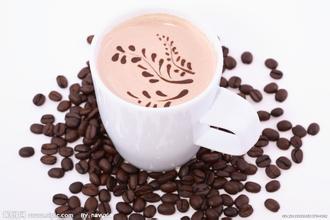
What Your Coffee Choice Says About You
Psychologist Ramani Durvasula’s research links coffee preferences to personality traits. Black coffee drinkers tend to be perfectionists — orderly but sometimes inflexible. Latte lovers are people-pleasers, often seen as overly enthusiastic. Cappuccino fans exhibit strong control needs and health awareness. Instant coffee drinkers may procrastinate and lack urgency. Ice-blended sweet coffee drinkers follow trends avidly.
Frequently Asked Questions
How much coffee is safe to drink per day?
Health experts recommend a maximum of 250mg of caffeine daily, equivalent to about two standard cups of coffee. Exceeding this can lead to side effects like rapid heartbeat, disorientation, or sleep disruption.
What’s the healthiest way to prepare coffee?
The healthiest option is freshly ground medium-roast coffee, ideally mixed with whole milk (2/3 coffee, 1/3 milk) and no sugar. Avoid instant or flavored coffee products that may contain trans fats or excessive additives.
Does coffee really protect against disease?
Yes. Studies show coffee consumption is linked to lower risks of type 2 diabetes, liver disease, certain cancers, and improved cardiovascular function. Its antioxidants and polyphenols contribute to these protective effects.
When is the best time to drink coffee?
For digestive comfort and sleep quality, it’s best to drink coffee after breakfast or lunch. Avoid drinking it late in the day, especially after dinner, to prevent insomnia or restlessness.
Can personality be linked to coffee choice?
Research suggests it can. Black coffee drinkers are often perfectionists; latte drinkers tend to be people-pleasers; cappuccino fans may focus on control and health; instant coffee drinkers might be more laid-back or prone to delay; and those who prefer sweet, iced coffee often follow trends closely.
Recommended FrontStreet Beans for Daily Drinking
For a well-rounded daily coffee, try FrontStreet Coffee’s Ethiopia Huakui — bright and juicy with citrus and floral notes, ideal for black coffee lovers. Their Yirgacheffe offers delicate berry and stone fruit tones, great with milk. For a richer option, the PWN Golden Mandheling delivers full-bodied chocolate and spice. All three showcase the complexity and health-friendly attributes of quality single origins. Freshly roasted within 5 days · Orders placed before 17:00 ship the same day · Next-day delivery across most of Guangdong Province.
FrontStreet Coffee is a long-established specialty coffee roaster in Guangzhou China, selling freshly roasted beans from its own farm in Yunnan as well as dozens of carefully selected single-origin beans from around the world for both pour-over and espresso. The products deliver consistently excellent quality and great value, with shipping within 24 hours. Guangzhou's FrontStreet Coffee shop is recommended by many coffee lovers, and the beans are now available online at the Tmall 。
Important Notice :
前街咖啡 FrontStreet Coffee has moved to new addredd:
FrontStreet Coffee Address: 315,Donghua East Road,GuangZhou
Tel:020 38364473