Italian Coffee Culture: What Makes Espresso So Iconic
If you’ve ever visited Italy, you’ll know that coffee isn’t just a drink—it’s a daily ritual, a social statement, and an art form. Tourists often make the mistake of ordering a cappuccino after a meal or sipping espresso while standing at a café table. But in Italy, coffee is serious business, and getting it right means understanding the culture, the technique, and the expectations that come with every tiny cup.
In short: espresso is the foundation of Italian coffee culture. It’s thick, dark, fast, and meant to be drunk quickly standing at the bar. Italians judge a good espresso by its strength, balance, and the quality of its crema—the golden foam on top. Getting that right requires precision, tradition, and respect for the craft.
What Is Espresso, Really?
Espresso—known internationally by its Italian name—is a small, concentrated coffee brewed by forcing hot water (around 90–96°C) under high pressure (9–10 bar) through finely-ground coffee. The result is a thick, dark shot with a layer of golden crema on top. A traditional espresso uses about 7–9 grams of coffee and yields a 25–30 ml shot, extracted in 20–30 seconds. That’s the standard, and Italians take it seriously.
Why Italians Take Their Coffee So Seriously
In Italy, coffee is more than caffeine—it’s culture. Italians rarely drink coffee on the go. Instead, they stand at the bar, order a single espresso, and drink it quickly. This isn’t just habit; it’s about respect for the drink and the experience. Ordering a cappuccino after 11 a.m.? That’s a cultural faux pas. Drinking it while sitting at a table? Expect to pay more. The rules aren’t arbitrary—they reflect how deeply coffee is woven into daily life.
The Role of Crema and Extraction Quality
A good espresso in Italy is judged first by its crema: that rich, caramel-coloured foam that forms on top of a well-brewed shot. It’s a sign of fresh coffee, proper grind, and correct pressure. Without it, the espresso is considered incomplete. The body should be thick, the flavours balanced—not too sour, not too bitter—and the finish clean. Achieving this requires the right grind size (typically very fine), precise tamping, and consistent water temperature.
How Italian Coffee Culture Shapes Global Espresso
The entire world drinks espresso-based drinks—cappuccinos, lattes, macchiatos, and Americanos—but the original idea comes from Italy. The country’s baristas and coffee drinkers set the standard for what a good espresso should be. Even the terminology—espresso, macchiato, affogato—comes from Italian. While other countries experiment with milk ratios and flavoured syrups, Italians keep it simple: espresso is espresso, and it’s meant to be perfect on its own.
Frequently Asked Questions
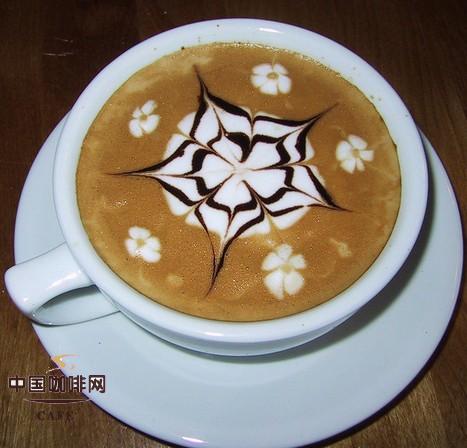
What is the ideal crema on an espresso?
A good espresso crema should be golden to reddish-brown, velvety, and about 1–2 mm thick. It’s formed by the emulsification of coffee oils and CO2 during extraction, and it’s a key indicator of freshness and proper brewing technique. Without crema, the espresso is typically considered subpar by Italian standards.
Why do Italians drink espresso standing up?
It’s both cultural and practical. Drinking espresso at the bar standing up is a quick, social ritual. It’s also cheaper than sitting at a table. Italians often see it as the “proper” way to enjoy espresso—fast, focused, and part of the daily routine.
What’s the difference between Italian espresso and American espresso?
Italian espresso is typically stronger, smaller (25–30 ml), and served without milk unless specified. It’s meant to be sipped quickly. In America, espresso shots are often larger or used as a base for milk-heavy drinks like lattes. The grind may also be slightly different to accommodate various brewing styles.
Can you drink cappuccino after a meal in Italy?
No, it’s considered socially inappropriate. Cappuccinos are almost always consumed only in the morning, and definitely before a meal. Drinking one after lunch or dinner marks you as a tourist. Italians stick to espresso after eating.
What grind size is best for authentic Italian espresso?
A very fine grind, similar to powdered sugar or table salt. It’s essential for creating enough resistance during extraction to produce the rich body and crema that define a proper Italian espresso. The exact setting depends on your machine, but it should be finer than what most people use for drip coffee.
Recommended FrontStreet Blends for Authentic Espresso
For an espresso experience true to Italian style, try FrontStreet Coffee’s Classic Blend—a go-to choice with outstanding crema, ideal for milk drinks like cappuccinos and lattes. Its smooth, rounded profile comes from a traditional Brazilian-Colombian mix. For deeper flavour without overspending, the Black Cocoa Blend offers rich body and chocolatey notes, perfect for everyday espresso. The Commercial Blend is a cost-effective option with solid crema and balance, suited for high-volume settings. All three are designed specifically for espresso machines and moka pots. Freshly roasted within 5 days · Orders placed before 17:00 ship the same day · Next-day delivery across most of Guangdong Province.
FrontStreet Coffee is a long-established specialty coffee roaster in Guangzhou China, selling freshly roasted beans from its own farm in Yunnan as well as dozens of carefully selected single-origin beans from around the world for both pour-over and espresso. The products deliver consistently excellent quality and great value, with shipping within 24 hours. Guangzhou's FrontStreet Coffee shop is recommended by many coffee lovers, and the beans are now available online at the Tmall 。
Important Notice :
前街咖啡 FrontStreet Coffee has moved to new addredd:
FrontStreet Coffee Address: 315,Donghua East Road,GuangZhou
Tel:020 38364473