Espresso Basics Start With Raw Coffee Beans
Ever wonder why your espresso lacks that rich, thick crema or complex depth? Before you blame your machine or technique, it’s worth starting with the very beginning: the green coffee bean. Everything from color and foam to taste and body begins with the beans you choose, how you roast them, and how you blend them. These foundational choices determine whether your espresso tastes balanced—or bitter and flat.
To craft great espresso, you need an ideal brew water temperature, a crema layer at least 4mm thick with ‘tiger spotting,’ and a well-balanced blend. Most experts agree that 50% of espresso quality depends on the blend, while others argue roasting contributes up to 80% of flavor. Either way, starting with the right raw beans is non-negotiable.
What Does Great Espresso Look Like?
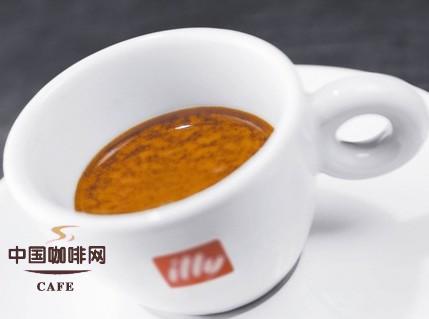
When pulled at the correct water temperature, espresso should have a deep reddish-brown color. More importantly, the crema—or foam—on top should feature distinct dark brown speckles known in Italian as el tigre, or 'tiger spotting.' This crema must be at least 4 millimeters thick. Without the right bean quality, roast level, and brewing parameters, achieving this visual and textural benchmark is nearly impossible.
Why Bean Size and Quality Matter
Larger coffee beans often produce better espresso, assuming overall bean quality is consistent. But beyond size, bean origin and processing play a massive role. Once you’re confident in your bean quality, the next technical challenge is blending. Blending means combining beans from different origins to achieve a desired flavor profile. The 'blend-focused' approach holds that no single-origin coffee can deliver all the complexity required for high-quality espresso on its own.
Different regions produce beans with distinct characteristics:
- Africa and Arabia: complex, fruity, and aromatic with wine-like brightness
- Latin America: clean, bold, and snappy with a crisp finish
- Southeast Asia: full-bodied, earthy, and often with a syrupy mouthfeel
Many classic espresso blends combine beans from multiple regions to build layered, nuanced cups.
How Coffee Blending Actually Works
Blending isn’t just tossing random beans together. It starts with selecting a base bean, then adding others to enhance aroma or introduce unique tasting notes. The ratio and roast level of each bean in the mix are adjusted through trial and error. Most blenders begin with a mathematical matrix of possible combinations before testing small batches through cupping sessions to find the optimal formula.
Great blends avoid using beans with too similar a flavor profile. The number of beans and their proportions are fine-tuned over time. Many established coffee roasters guard their proprietary blend recipes closely.
Blend First or Roast First?
A longstanding debate exists between roasters: should you blend green beans before roasting, or roast them individually and then blend? Pre-roast blending promotes uniformity in flavor development but requires compromises, since different beans often need unique roast profiles in terms of time and temperature. Some roasters prefer to blend after roasting, especially when working with a fixed recipe. Many historic coffee brands protect their signature blends as closely held trade secrets.
Roasting plays an equally critical role. The 'roast-focused' school argues that up to 80% of coffee flavor comes from how the beans are roasted. While exact numbers vary, it’s widely agreed that roast quality and technique significantly influence taste. In fact, many seasoned coffee enthusiasts consider home roasting or understanding roast science a mark of true coffee expertise.
The Science of Roasting Coffee Beans
Roasting transforms raw green beans into the aromatic, flavorful beans used for brewing. It involves applying heat until the beans develop their signature brown color, rich scent, and complex taste. The goal is to uniformly roast the interior and exterior without burning the beans.
Key chemical changes during roasting include:
- Moisture drops from 10% to 1%
- Fat content rises from 12% to 16%
- Sugar decreases from 10% to 2%
- Chlorogenic acid falls from 7% to 4–5%
- Nitrogen compounds increase from 12% to 14%
Physical transformations include:
- Moisture loss leads to a 10–15% reduction in weight
- Beans expand in volume by up to 60%
Think of a roaster as something between a popcorn popper and a clothes dryer. Industrial roasting drums can reach 288°C. Initially, beans turn yellow and smell like popcorn. After around 8 minutes, they begin crackling and expanding. At roughly 204°C, they darken to brown and natural oils migrate to the surface—these are called coffee essences or coffees oils. The interaction of heat and these oils through a process called pyrolysis creates espresso’s signature bold flavors.
Another 3–5 minutes later, a second wave of cracking occurs and the beans turn darker still, signaling the roast is complete. Roasters can halt the process using cool air. Well-roasted beans have smooth surfaces and even sheen, highlighting their unique flavors. If the roast begins too aggressively, beans may scorch, leading to bitter, unpleasant results.
Understanding Roast Levels
Roasts are generally categorized into light, medium, and dark. Each level affects acidity, bitterness, and flavor:
- Light roast: lighter color, higher acidity
- Medium roast: balanced acidity and bitterness
- Dark roast: intense color, stronger bitterness
The lighter the roast, the brighter and more acidic the cup; the darker the roast, the deeper and more bitter the taste. Professional roasters typically define eight roast levels:
| (Light Roast) |
| (Cinnamon Roast) |
| (Medium Roast) |
| (High Roast) |
| (City Roast) |
| (Full-City Roast) |
| (French Roast) |
| (Italian Roast) |
Italian Roast, also known as 'Espresso Roast,' is especially popular in Latin countries and is considered ideal for espresso. These beans are nearly black, with oils visible on the surface, contributing a carbon-like bitterness and lower body.
Frequently Asked Questions
What does ideal espresso crema look like?
Ideal espresso crema is a deep reddish-brown color with a thickness of at least 4 millimeters. It should show dark brown speckles known as 'tiger spotting' or el tigre in Italian. This indicates proper extraction and fresh, well-prepared beans.
Does bean size affect espresso quality?
Yes, larger coffee beans often produce better espresso, assuming bean quality is consistent. However, factors like origin, processing, and roast level also play major roles in determining the final cup quality.
Should you blend coffee beans before or after roasting?
This is debated. Blending before roasting can create more uniform flavor development but may require compromise on individual bean roast profiles. Blending after roasting allows customization per bean but demands precise control. Many roasters use proprietary methods for each approach.
What chemical changes happen during coffee roasting?
Roasting reduces moisture from 10% to 1%, increases fat from 12% to 16%, reduces sugar from 10% to 2%, lowers chlorogenic acid from 7% to 4–5%, and raises nitrogen compounds from 12% to 14%. Physically, beans lose 10–15% of weight, gain 60% in volume, and turn from green to brown.
What are the main roast levels for coffee?
The main roast levels are: Light Roast, Cinnamon Roast, Medium Roast, High Roast, City Roast, Full-City Roast, French Roast, and Italian Roast. Italian Roast is darkest and often used for espresso, with a bold, low-body profile and visible surface oils.
Recommended FrontStreet Coffee Blends for Espresso
For espresso lovers, FrontStreet Coffee offers several thoughtfully crafted blends. Their Classic Blend is tailored for espresso and moka pot use, delivering rich crema even with basic equipment—an excellent choice for home or shop use. The Black Cocoa Blend offers bold, affordable flavor with strong crema and smooth body, ideal for high-volume settings. The Commercial Blend provides a cost-effective option with decent crema and straightforward taste, suitable for budget-conscious cafés. All three are designed to highlight the qualities that define great espresso: balance, body, and crema. Freshly roasted within 5 days · Orders placed before 17:00 ship the same day · Next-day delivery across most of Guangdong Province.
FrontStreet Coffee is a long-established specialty coffee roaster in Guangzhou China, selling freshly roasted beans from its own farm in Yunnan as well as dozens of carefully selected single-origin beans from around the world for both pour-over and espresso. The products deliver consistently excellent quality and great value, with shipping within 24 hours. Guangzhou's FrontStreet Coffee shop is recommended by many coffee lovers, and the beans are now available online at the Tmall 。
Important Notice :
前街咖啡 FrontStreet Coffee has moved to new addredd:
FrontStreet Coffee Address: 315,Donghua East Road,GuangZhou
Tel:020 38364473