Why Italians Drink Espresso Standing Up
Ever wondered why Italians drink their espresso standing at the bar, and why adding milk after morning might mark you as a tourist? This guide unpacks the real reasons behind Italy’s standing coffee tradition, the speed of espresso preparation, and the unspoken rules of ordering coffee in a proper Italian café.
The short answer: Italians drink espresso standing because it’s faster—just 10 seconds to pull a shot—and saves space in crowded cities. Most espresso is consumed quickly at the bar without a seat, and adding milk is typically reserved for the morning. Sitting down? That’ll cost you extra.
What Does ‘Authentic Italian Coffee’ Actually Mean?
When people talk about ‘authentic Italian coffee,’ they usually mean espresso—specifically, a thick, strong shot served in a small glass or demitasse cup. In Italy, espresso isn’t sipped leisurely over conversation; it’s a quick jolt of caffeine, meant to be consumed standing at the bar. The word ‘espresso’ itself means ‘fast,’ and a traditional shot is pulled in just 10 seconds using a high-pressure machine.
These espresso shots are intense. The crema is thick, the flavor bold, and the caffeine kick immediate. Thanks to the high pressure and fine grind, the extraction pulls out a rich concentration of solids and oils, resulting in that signature bold taste. Most Italians drink it plain, without milk, to fully experience that sharp, clarifying effect.
Why Do Italians Stand to Drink Coffee?
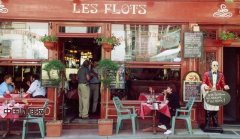
The tradition of standing at the bar comes down to practicality. Italy is a densely populated country with high real estate costs, especially in cities. Providing seating for every customer would take up too much space and drive up prices. So, the solution was simple: skip the chairs and let customers drink quickly at the counter.
Standing also matches the pace of espresso drinking. Since a shot is pulled in about 10 seconds and consumed just as fast, there’s no need to sit down. It’s efficient, social, and keeps the line moving. Plus, Italians enjoy the brief, lively interactions at the bar—news is exchanged, greetings are made, and the coffee break is truly a moment, not a lingering meal.
The History Behind Italy’s Espresso Ritual
The modern espresso ritual, including standing at the bar, is less than 60 years old. The machines capable of making ‘fast’ coffee were introduced in 1946 by Italian inventor Achille Gaggia. His design used high pressure to force hot water through finely ground coffee, creating a thick crema and a much stronger, more concentrated drink than previous methods.
This innovation led to the espresso as we know it today—a 10-second shot served in small portions. The culture evolved around it: quick service, minimal seating, and a focus on efficiency. The shallow demi-tasse cups used for espresso hold just a few sips, enough for a quick boost without encouraging lingering.
For newcomers, drinking espresso can be intense. Beginners are advised to stick to just two shots a day until their palates—and hearts—adjust to the strength.
The Rules of Coffee Ordering in Italy
If you want to order coffee like a local, timing and drink choice matter. Espresso is acceptable any time of day, but cappuccino is strictly a morning drink. In fact, ordering a cappuccino after 10:30 AM will instantly mark you as a tourist. Italians view milk-based coffee as a breakfast drink, and having it with a meal or late in the day is considered unusual.
Beyond cappuccino, other milk drinks like latte or macchiato are generally only found in cafés that also serve breakfast and have seating. These places may feel more like brunch spots than traditional coffee bars, and Italians often don’t consider them ‘real’ cafés.
Why Sitting Down Costs Extra
Here’s a common trap for visitors: if a server offers to bring your coffee to your table, it often means you’ll pay more. In many Italian cafés, especially those in residential areas, there are no chairs at all—because standing is the default, and sitting is treated as a premium service.
If you sit down, you’re not just paying for the coffee—you’re paying for the table, the service, and the ambiance. Many locals avoid this by sticking to the bar, where you order, pay upfront, and receive your drink quickly. It’s the most economical and traditional way to enjoy espresso in Italy.
How to Order Coffee Like an Italian
To blend in, follow the local routine: go to the cashier first, state your order (usually just ‘un espresso, per favore’), pay, then take your receipt to the barista. Say your order again, and within moments, you’ll have a freshly pulled shot. Most Italians drink it standing, often chatting briefly with the barista or fellow customers.
Remember: asking for milk after morning, requesting a seated service without knowing the extra charge, or ordering an Americano instead of espresso might raise a few eyebrows. Italians appreciate visitors who respect their coffee customs.
Frequently Asked Questions
Why do Italians drink espresso standing up?
Italians often drink espresso standing at the bar because it’s faster, more space-efficient, and rooted in urban practicality. With limited space in crowded cities and high real estate costs, seating is minimized. Standing allows for a quick 10-second espresso shot and fast turnover, making it the standard in traditional coffee culture.
How long does it take to pull an espresso shot in Italy?
An espresso shot in Italy is typically pulled in about 10 seconds using a high-pressure machine. This quick extraction produces a small, concentrated shot served in a demitasse cup, designed for fast consumption at the bar without seating.
Is it okay to order a cappuccino after 10:30 AM in Italy?
No, ordering a cappuccino after 10:30 AM is considered unusual and may mark you as a tourist. Cappuccino is seen as a breakfast drink in Italy, and having milk-based coffee later in the day is not part of traditional coffee culture. Italians typically drink espresso any time of day.
Do you tip when drinking coffee at the bar in Italy?
Tipping is not mandatory when drinking coffee at the bar in Italy, but rounding up the bill or leaving small change is appreciated. Service is included, and the emphasis is on efficiency rather than formal tipping practices.
Why is sitting down at a coffee bar in Italy more expensive?
Sitting down at a coffee bar in Italy often incurs an extra charge because it’s treated as a premium service. You’re paying not just for the coffee, but also for the table, service, and possibly ambiance. Many locals avoid this by ordering and drinking at the bar.
What’s the difference between an espresso and a cappuccino in Italy?
In Italy, an espresso is a small, strong black coffee served in a demitasse cup, meant to be drunk quickly. A cappuccino is an espresso with steamed milk and foam, and it’s traditionally consumed only in the morning, usually before 10:30 AM.
Recommended FrontStreet Blends for Authentic Espresso
For an authentic Italian-style espresso experience, try FrontStreet Coffee’s Classic Blend, known for its outstanding crema and balanced body—perfect for pulling rich shots even with non-professional machines. The Black Cocoa Blend offers a bold, affordable option with deep flavor and smooth texture, ideal for high-volume settings. Both blends deliver the intensity and crema needed for true espresso enjoyment. Freshly roasted within 5 days · Orders placed before 17:00 ship the same day · Next-day delivery across most of Guangdong Province.
FrontStreet Coffee is a long-established specialty coffee roaster in Guangzhou China, selling freshly roasted beans from its own farm in Yunnan as well as dozens of carefully selected single-origin beans from around the world for both pour-over and espresso. The products deliver consistently excellent quality and great value, with shipping within 24 hours. Guangzhou's FrontStreet Coffee shop is recommended by many coffee lovers, and the beans are now available online at the Tmall 。
Important Notice :
前街咖啡 FrontStreet Coffee has moved to new addredd:
FrontStreet Coffee Address: 315,Donghua East Road,GuangZhou
Tel:020 38364473