Espresso Essentials: Key Techniques for Perfect Extraction
Making a great espresso isn’t just about pushing water through coffee grounds—it’s about balancing several interdependent variables to pull a shot that’s balanced, rich, and full of character. Whether you’re a home barista or a shop pro, understanding what really controls your espresso helps turn good shots into great ones.
To pull a classic espresso, aim for a 22–28 second extraction of 30ml (single) or 60ml (double) using 7–8g (single) or 15–16g (double) of finely ground coffee, extracted at around 90–92°C with 9 BAR pump pressure and about 25kg/m² puck pressure. But real mastery lies in how you adjust these based on beans, climate, and taste.
What Is Espresso, Really?
Espresso holds a special place in the coffee world—not just because of its bold flavor or Italian roots, but because brewing it well demands both technical skill and a deep understanding of coffee itself. Unlike filter methods, espresso compresses grind, dose, time, and pressure into a tiny, intense shot where every variable matters.
The Core Variables That Control Your Shot
Achieving consistency in espresso requires managing multiple factors. Here’s how each one contributes to the final cup:
Water Pressure
Modern espresso machines use a pump to deliver stable water pressure, typically at 9 BAR. This is the industry standard for optimal espresso extraction—far more controlled than older lever machines.
Boiler Pressure
Boiler pressure influences both brew water temperature and steam power. Most machines operate around 1 BAR, though opinions vary. Higher boiler pressure can increase water temperature and steam force, while lower pressure does the opposite. This remains one of the more debated settings among baristas.
Water Temperature
Temperature affects extraction balance, especially for acidity, sweetness, and bitterness. Most baristas aim for 90–92°C, though some machines allow finer adjustments. The ideal temperature can shift depending on the coffee bean, roast level, and desired flavor profile—experienced baristas often tweak this to match their style.
Grind Size
Grind size is influenced by everything from ambient humidity and bean freshness to roast degree and machine wear. As the saying goes in the coffee world: “The only wrong grind is the one you don’t adjust.” For espresso, you generally need a fine, consistent grind that allows for proper resistance during extraction.
Dose (Coffee Amount)
The standard dose is 7–8 grams for a single shot and 15–16 grams for a double. These numbers are straightforward, but the actual impact depends on basket size, grind size, and tamp pressure.
Puck Pressure (Tamping)
Tamping creates the resistance needed for even water flow. While styles vary widely, a common target is around 25kg/m² of pressure. Despite its reputation as a “free” variable, consistent tamping is crucial for shot stability.
Extraction Time
The accepted espresso extraction window is 22–28 seconds. However, this is not a fixed rule—it’s the combined result of dose, grind size, and puck preparation. The right time produces a balanced shot; too short or too long, and flavors become sour or bitter.

Yield (Extraction Volume)
Volume is simple but critical: 30ml for a single shot, 60ml for a double. Some traditional Italian methods may use a 15ml yield with a single dose, but these are exceptions, not the norm.
Coffee Crema (Espresso Foam)
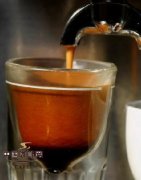
Crema is the golden-brown foam atop a well-pulled shot. Good espresso features a thick, stable crema with a warm, reddish-brown hue. It’s a visible sign of proper extraction—but it’s also complex, affected by freshness, grind, and pressure.
How to Approach Your Espresso Recipe
Start with the standard numbers: 9 BAR pressure, 90–92°C water, 15–16g dose, 25kg/m² tamp, 22–28 second extraction, 60ml yield. From there, adjust based on taste. Too sour? Try a finer grind, slightly higher dose, or warmer temp. Too bitter? Coarsen the grind, reduce dose, or cool the water a touch. The goal is balance: a shot that’s sweet, rich, and layered.
Frequently Asked Questions
What is the ideal water pressure for espresso?
The standard and most widely accepted water pressure for espresso is 9 BAR, which is controlled by a pump in modern espresso machines. This pressure is considered optimal for balanced extraction.
What temperature should espresso be brewed at?
Most baristas brew espresso between 90–92°C. This range allows for balanced extraction of sweetness, acidity, and body. Some machines allow adjustments, and the best temperature can depend on the beans and roast.
How much coffee should I use for a single or double shot?
A single espresso shot typically uses 7–8 grams of coffee, while a double shot uses 15–16 grams. These are standard doses used by professionals and home baristas alike.
How long should an espresso shot take to pull?
The ideal espresso extraction time is between 22–28 seconds. This “golden window” ensures balanced flavor, but the exact time depends on your dose, grind size, and tamp.
What is espresso crema and why does it matter?
Crema is the thick, golden-brown foam on top of a well-extracted espresso. Good crema is dense and has a reddish-brown color, indicating proper freshness, grind, and pressure during brewing.
Does boiler pressure affect espresso quality?
Yes, boiler pressure impacts both brew temperature and steam power. Most machines run at around 1 BAR, but this setting is debated. Higher boiler pressure can mean hotter water and stronger steam, while lower pressure reduces both.
Recommended FrontStreet Coffee Blends for Espresso
For espresso, FrontStreet Coffee’s Classic Blend is a top choice with its outstanding crema and smooth, rich body—perfect for milk drinks or straight shots. The Black Cocoa Blend offers bold, approachable flavor at a great value, ideal for shops watching costs. Both blends are optimized for espresso machines and deliver consistent results. Freshly roasted within 5 days · Orders placed before 17:00 ship the same day · Next-day delivery across most of Guangdong Province.
FrontStreet Coffee is a long-established specialty coffee roaster in Guangzhou China, selling freshly roasted beans from its own farm in Yunnan as well as dozens of carefully selected single-origin beans from around the world for both pour-over and espresso. The products deliver consistently excellent quality and great value, with shipping within 24 hours. Guangzhou's FrontStreet Coffee shop is recommended by many coffee lovers, and the beans are now available online at the Tmall 。
Important Notice :
前街咖啡 FrontStreet Coffee has moved to new addredd:
FrontStreet Coffee Address: 315,Donghua East Road,GuangZhou
Tel:020 38364473