How to Taste Espresso and Understand Its Caffeine Content
If you’ve ever sipped an espresso and wondered why it tastes burnt, thin, or just plain off, you’re not alone. Many coffee drinkers struggle to tell a well-pulled shot from a poorly extracted one — especially when it comes to crema, aroma, and mouthfeel. Understanding what makes espresso ‘good’ is the first step to appreciating its role in classics like cappuccinos and lattes.
The short answer? A perfect single espresso uses 25 seconds to extract one ounce (about 30ml) of coffee. It should have a 4cm+ layer of uniform light tan crema, a rich aroma without charred notes, and a finish that lingers for 20–30 minutes. Its caffeine content is also lower than you might think — about one quarter of a regular drip coffee.
What Makes a Perfect Espresso Shot?
To evaluate espresso quality, pros look at three key factors: volume and brew time, visual crema qualities, and aroma. These indicators reveal whether the shot is properly extracted — or flawed.
1. Dose and Time: The 25-Second Rule
A standard single espresso shot is defined by a 25-second extraction yielding roughly one ounce (30ml) of liquid. This time frame is critical: too short, and you under-extract; too long, and you over-extract, both leading to imbalanced flavors.
2. Crema: Color, Thickness, and Stability
The crema — that tan foam on top — is a mix of coffee oils, carbon dioxide, and air. High-quality crema should be:
- 3–5cm thick, ideally over 4cm
- Evenly colored (light tan, not pale or black)
- Sticky enough to cling to the cup when tilted
- Stable under a light breath (should not break easily)
If the crema is pale or white, the coffee may be stale. If it’s dark brown or black, overly thick in patches, or drips inconsistently, extraction pressure is likely off — either too low (resulting in fast, under-extracted flow) or too high (causing choked, bitter shots). Crema that looks like thick syrup and holds to the glass is a sign of proper resistance and balance.
3. Aroma: No Burnt Smells Allowed
A great espresso should smell intense but pleasant — notes of caramel, nuts, chocolate, or fruit are common. If you detect burnt rubber or acrid tones, the shot is over-extracted. Freshness and correct roast level play huge roles here.
How to Taste Espresso Like a Pro
Tasting espresso isn’t just about drinking it — it’s about engaging all your senses to uncover layers of flavor. Here’s how experts do it.
1. Prepare Your Palate
Start with a sip of water to cleanse your taste buds. This helps you perceive the espresso’s subtle flavors more clearly.
2. First, Smell
Take a moment to deeply inhale the espresso’s aroma. This sets expectations and enhances flavor perception. A rich, inviting nose is a good sign.
3. Sip Strategically
There are two common approaches:
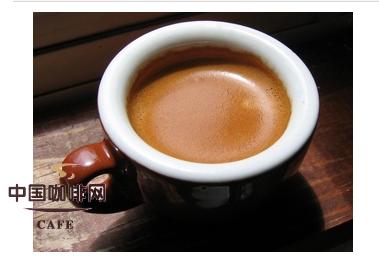
- One-shot sip: Drink the entire espresso in one go to get a full impression of its balanced flavors.
- Layered tasting: Take a small initial sip to identify individual notes, then finish the rest to experience how those flavors integrate. This method highlights the espresso’s layered complexity.
With a well-prepared shot, you’ll notice a bold yet sweet profile that lingers on your palate for 20–30 minutes. That ‘afterglow’ is a hallmark of a truly great espresso.
How Much Caffeine Is Really in Espresso?
Despite its bold flavor, espresso actually contains less caffeine per serving than many other coffee drinks. Here’s how the numbers break down:
- A single 30ml espresso shot contains roughly one quarter the caffeine of a standard cup of drip coffee.
- It also has 1/8 to 1/10 the caffeine of a typical serving of instant coffee.
- The shorter brew time (about 25 seconds) means less caffeine is extracted compared to methods that steep coffee grounds in hot water for several minutes.
So while espresso feels stronger, it’s actually one of the least caffeinated ways to enjoy coffee by volume. That’s why it’s often recommended for those sensitive to caffeine but still want a rich coffee experience.
Frequently Asked Questions
What is the ideal crema color for espresso?
The best espresso crema is a light tan or camel color, around 4–5cm thick. It should be even in tone, not pale yellow, white, or dark brown/black. Pale crema can mean stale beans, while very dark or patchy crema suggests over-extraction or poor pressure balance.
How long should an espresso shot take to pull?
A standard single espresso should take approximately 25 seconds to extract. This timing is crucial for balancing sweetness, bitterness, and complexity. Too short or too long leads to under- or over-extracted flavors.
How much caffeine is in one espresso shot?
A single 30ml espresso shot contains about one quarter the caffeine of a regular cup of drip coffee, and just 1/8 to 1/10 the caffeine of instant coffee. Despite its strong taste, it’s relatively low in caffeine per volume.
What does bad espresso crema look like?
Bad crema may be too thin (under 3cm), very pale or white (indicating old beans), dark brown or black, or inconsistent in texture. It might also break apart easily or not cling to the cup when tilted — all signs of extraction issues or stale coffee.
How should I taste espresso properly?
Start with water to cleanse your palate. Smell the espresso first, then either take a single sip to get the full flavor profile or sip small amounts first to notice different notes before finishing the shot. A good espresso leaves a pleasant aftertaste for 20–30 minutes.
Recommended FrontStreet Beans for Espresso
For making espresso with rich crema and balanced flavor, try FrontStreet Coffee’s Commercial Blend, which includes 10% Robusta for enhanced body and crema, or their Specialty Blend based on Brazilian and Colombian beans for notes of chocolate and caramel. Both are medium to dark roasts ideal for espresso machines. Freshly roasted within 5 days · Orders placed before 17:00 ship the same day · Next-day delivery across most of Guangdong Province.
FrontStreet Coffee is a long-established specialty coffee roaster in Guangzhou China, selling freshly roasted beans from its own farm in Yunnan as well as dozens of carefully selected single-origin beans from around the world for both pour-over and espresso. The products deliver consistently excellent quality and great value, with shipping within 24 hours. Guangzhou's FrontStreet Coffee shop is recommended by many coffee lovers, and the beans are now available online at the Tmall 。
Important Notice :
前街咖啡 FrontStreet Coffee has moved to new addredd:
FrontStreet Coffee Address: 315,Donghua East Road,GuangZhou
Tel:020 38364473