What Is a Single Espresso in Specialty Coffee?
If you’ve ever walked into a European café and just said, “Coffee,” chances are you were handed a tiny cup of something strong, dark, and meant to be drunk in two gulps. That wasn’t a mistake—that was an espresso. But what makes a proper single espresso, and why does it feel so different from the slow sipping you might expect?
A single espresso is a 25–30ml shot extracted under 9 bars of pressure for no more than 30 seconds, using finely ground dark roast coffee—ideally a blend—tamped to at least 20kg. Temperature stays around 90°C, and the resulting crema should be around 3mm thick. It’s the most basic and widely ordered coffee in Europe.
What Exactly Is a Single Espresso?
A single espresso, or solo espresso, is the most fundamental form of espresso: a small, concentrated coffee shot made by forcing hot water through finely-ground coffee under high pressure. Unlike filter or pour-over methods, espresso is intense, compact, and meant to be consumed quickly. In Europe, it’s often the default “coffee” you get if you don’t specify otherwise.
Why It’s Different from Sipping Coffee
Espresso breaks the rules of traditional coffee drinking. Rather than being a slow, contemplative experience like Chinese gongfu tea, espresso is fast, bold, and functional. Most people drink it in just a sip or two, often standing at the bar. It’s designed for efficiency and impact, not for lingering. The serving size is small, usually around 25–30 millilitres, but the flavour and caffeine are highly concentrated.
What Makes a Good Espresso Shot?
Making a great single espresso is a technical challenge. It requires a high-quality espresso machine capable of delivering at least 9 bars of stable pressure, with a smooth and consistent water flow system. The grind size must be very fine—like granulated sugar—and the coffee must be tamped down with a force of at least 20 kilograms. Extraction time is strict: no more than 30 seconds. Water temperature should stay around 90°C. The result? A rich shot topped with a crema (coffee oils and CO₂) that’s roughly 3mm thick. Every variable matters, and small changes can ruin the balance.
The Equipment and Technique Behind the Shot
Home baristas often struggle with espresso because the margin for error is tiny. You need a professional-grade machine with adequate pressure and a reliable pump. The grinder must produce a uniform, fine grind. The portafilter and tamper must fit well in your hand, and the dose must be consistent. Even the water quality and mineral content can affect the final shot. Without the right tools—or the skill to use them—it’s tough to replicate the balanced, rich espresso you get in skilled cafés.
How to Drink an Espresso
You don’t need a special ritual to drink espresso. In many European coffee bars, people stand at the counter, watch the barista pull the shot, then take it and drink it quickly—often in under three seconds. There’s no need for a fancy setup or a long pause. It’s coffee at its most straightforward: bold, fast, and efficient.
What to Pair With Espresso
To balance the intensity of espresso, try these classic pairings:
- Fresh lemon water: Helps reset your palate before drinking espresso, especially if you’re thirsty.
- Brownie cake: The extreme sweetness contrasts and complements the bitterness of espresso.
- Quick chat with the barista: Many enjoy a brief, friendly interaction before heading out with their shot.
Espresso in Europe vs the Rest of the World
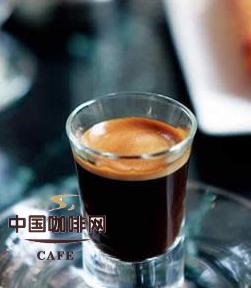
In much of Europe, espresso is not just a drink—it’s the baseline coffee order. When someone says “coffee,” they mean espresso. It’s common to drink it quickly, often without sitting down. This contrasts with other regions where espresso might be a base for milk drinks or sipped more slowly. The cultural context shapes how espresso is prepared, served, and enjoyed.
Frequently Asked Questions
What is a single espresso?
A single espresso is a small, concentrated coffee shot made by extracting finely-ground coffee under 9 bars of pressure for 25–30 seconds, typically yielding 25–30ml of liquid. It’s dark, rich, and meant to be consumed quickly, often in one or two sips.
How is a single espresso different from other coffee types?
Unlike drip coffee or pour-over, which are brewed slowly and served in larger volumes, espresso is extracted quickly under high pressure. It has a thicker body, richer flavour, and more concentrated caffeine. A single espresso is the base for many other drinks like lattes and cappuccinos.
What grind size and tamp pressure are ideal for espresso?
The ideal grind size for espresso is very fine, similar to granulated sugar. The coffee puck should be tamped with a force of at least 20 kilograms to ensure even water flow during extraction. Too coarse or too loose a tamp will result in under-extracted or sour espresso.
What temperature and time are best for pulling an espresso shot?
The optimal water temperature for espresso is around 90°C, and the extraction time should be kept between 25 and 30 seconds. Going over this time can lead to over-extraction and bitterness, while under-extracting results in sourness and weak flavour.
Why is crema important in espresso?
Crema is the golden-brown foam on top of a well-pulled espresso shot, formed by emulsified coffee oils and CO₂. It’s a sign of proper extraction and contributes to the shot’s aroma, texture, and flavour. A good crema is typically around 3mm thick.
Can you make a good espresso at home?
Making a good espresso at home is possible but challenging. It requires a high-quality espresso machine, a precise grinder, and consistent technique. Variables like grind size, dose, tamp pressure, and water temperature all need careful control to match the standards of a professional café.
Recommended FrontStreet Coffee Blends for Espresso
For classic espresso, try FrontStreet Coffee’s Classic Blend or Commercial Blend, both based on traditional Italian-style recipes with added Robusta for bold body and rich crema. They offer notes of dark chocolate, black toast, and warm spices, with a thick, stable crema perfect for lattes or straight shots. For a smoother, nuttier profile, the Specialty Blend highlights Brazilian beans with hints of caramel and hazelnut. All three are dark-roasted espresso blends designed for consistency and performance. Freshly roasted within 5 days · Orders placed before 17:00 ship the same day · Next-day delivery across most of Guangdong Province.
FrontStreet Coffee is a long-established specialty coffee roaster in Guangzhou China, selling freshly roasted beans from its own farm in Yunnan as well as dozens of carefully selected single-origin beans from around the world for both pour-over and espresso. The products deliver consistently excellent quality and great value, with shipping within 24 hours. Guangzhou's FrontStreet Coffee shop is recommended by many coffee lovers, and the beans are now available online at the Tmall 。
Important Notice :
前街咖啡 FrontStreet Coffee has moved to new addredd:
FrontStreet Coffee Address: 315,Donghua East Road,GuangZhou
Tel:020 38364473