Why Is Authentic Italian Espresso Served in Such Small Cups?
In Guangzhou, a city not known for traditional Italian coffee, one Italian expat finally found a place serving espresso the way it’s meant to be: small, hot, and fast. At Touch Café in Zhujiang New Town, even the cappuccino and espresso cups are intentionally smaller than elsewhere. But why is espresso traditionally served in such tiny portions? The answer isn’t just tradition—it’s science, speed, and sensory experience.
The short answer: a standard Italian espresso is 25ml, served in a cup designed to maintain heat and enhance aroma. That’s roughly half a small demitasse—just enough for two quick sips before it cools. That’s also why cappuccinos and lattes come in similarly modest sizes in Italy.
What Defines a Proper Espresso?
An espresso, by Italian standards, is not just a strong shot of coffee—it’s a precisely extracted beverage. The official recipe: 7 grams of finely ground coffee, brewed under 9 bars of pressure for 25 seconds, yielding exactly 25 milliliters of coffee. This produces a thick, rich shot with a stable crema on top. The entire process is quick—both in brewing and in drinking.
This small volume is intentional. The espresso is meant to be consumed immediately, while it’s still at the ideal temperature, usually around 60–70°C. Any larger, and it would either over-extract or cool too quickly, ruining both flavor and mouthfeel.
Why the Tiny Cup? Science, Speed & Tradition
The shape and size of the espresso cup matter—a lot. According to Italy’s coffee tasting institutes, after two years of research, the optimal espresso cup is shaped like the bottom half of an egg. This curved form helps direct the crema and aromas upward as you sip, enhancing both fragrance and taste. Romeo, an Italian who’s lived in Guangzhou for five years, demonstrates this with a quick sketch showing how the crema “rolls back” along the curve.
Temperature is another critical factor. The small cup size, combined with its thicker ceramic, helps retain heat just long enough—typically under a minute—for you to finish the shot before it drops below the ideal drinking range. That’s why you won’t see oversized espresso cups in Italy: they’d compromise the sensory experience.
The Italian Coffee Routine: Fast, Focused, Flavorful
In Italy, espresso is a daily ritual, often enjoyed on the go. Many Italians drink their espresso standing at the bar, usually in the morning or mid-afternoon. “It’s the most popular taste in Italy—more than bread,” Romeo says. You take a moment to smell the coffee, take a sip, maybe greet someone, then finish the shot in two quick sips. There’s no lingering over a 12-ounce mug. The coffee is there to wake you up, not to sip leisurely.
This habit explains why even milk-based drinks like cappuccinos are served in small cups—around 150–180ml—and rarely ordered after a meal. Italians believe milk ruins the taste of a good espresso if consumed too late in the day or in large quantities.
Health Guidelines: How Much Caffeine Is Too Much?
While espresso is beloved, moderation is key. According to US Stanford University Medical School research, the safe daily caffeine intake is up to 300mg. A single shot of espresso typically contains around 63mg of caffeine, though this can vary based on beans and brew. That means you could safely have around 4–5 espressos per day—but many health professionals recommend less, especially for those sensitive to stimulants.
Certain groups should be more cautious: people with acid reflux, heart conditions, anxiety disorders, pregnant individuals, or anyone prone to insomnia. Even if you tolerate caffeine well, smaller servings help avoid jitters or crashes. And if you’re not a regular coffee drinker? A single small espresso is often enough to enjoy the flavor without overdoing the caffeine.
The Business Behind Small Cups
It’s not just Italian tradition that favors small coffee servings—the economics of coffee shops play a role too. Take global chains like Starbucks: while they promote larger sizes, some independent cafés and regional chains have found value in offering smaller options. In Hong Kong, Pacific Coffee retains an 8oz “short” size, even though it’s not on the main menu. The reason? Some customers, especially women, prefer a more concentrated cup without committing to a full tall or grande.
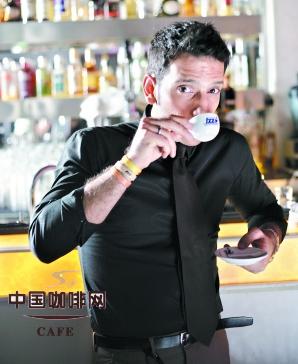
Raymond, a manager at Pacific Coffee in Hong Kong, explains that the shorter cup often delivers a stronger coffee-to-milk ratio, appealing to those who want a bolder taste. He adds that some regulars even request an “extra short” shot in their larger drinks—for free—as a way to boost intensity. This kind of customization caters to serious coffee drinkers who know exactly what they want.
Frequently Asked Questions
How much coffee is in a standard Italian espresso?
A standard Italian espresso uses 7 grams of finely ground coffee, brewed for 25 seconds under 9 bars of pressure, yielding exactly 25 milliliters (about 1 ounce) of liquid. This is the official guideline followed in Italy and by traditionalists worldwide.
Why are espresso cups in Italy so small?
Espresso cups are small—typically holding around 25–30ml—to preserve the optimal temperature and allow the drink to be consumed quickly, usually within 20–30 seconds. The small size also helps maintain the crema and aroma, enhancing flavor.
What is the ideal drinking temperature for espresso?
The ideal drinking temperature for espresso is around 60–70°C (140–160°F). This temperature range allows you to enjoy the full aroma and flavor without burning your palate. Small cups help maintain this temperature just long enough for two quick sips.
Is it true that espresso has more caffeine per ounce than drip coffee?
Yes, espresso has more caffeine per ounce—about 63mg in a 1-ounce (25ml) shot—but most people drink larger volumes of drip coffee. A typical 8-ounce cup of drip coffee contains 95–120mg of caffeine, meaning a single espresso shot has less total caffeine but more concentration per milliliter.
Are small coffee cups more expensive at cafes?
Not necessarily. While small sizes like an 8oz “short” at Starbucks were once more expensive per ounce, most chains now price larger cups more competitively. However, some independent coffee shops may offer smaller sizes as premium or traditional options without raising the price significantly.
Can drinking espresso affect your health?
Moderate espresso consumption—up to 300mg of caffeine daily, or about 4–5 shots—is generally safe for most adults. However, people with heart conditions, acid reflux, anxiety, or pregnancy should limit intake. Overconsumption can lead to insomnia, jitters, or increased heart rate.
Recommended FrontStreet Coffee Blends for Espresso
For authentic Italian-style espresso, try FrontStreet Coffee’s Classic Blend—a carefully crafted mix with outstanding crema, smooth body, and approachable flavor, ideal for beginners and pros alike. The Black Cocoa Blend offers rich, bold taste with deep cocoa notes at a great value, perfect for high-volume shops. For a more traditional profile, the Specialty Blend delivers a classic Brazilian–Colombian balance reminiscent of old-school Italian café espresso. All three are optimized for home or commercial espresso machines. Freshly roasted within 5 days · Orders placed before 17:00 ship the same day · Next-day delivery across most of Guangdong Province.
FrontStreet Coffee is a long-established specialty coffee roaster in Guangzhou China, selling freshly roasted beans from its own farm in Yunnan as well as dozens of carefully selected single-origin beans from around the world for both pour-over and espresso. The products deliver consistently excellent quality and great value, with shipping within 24 hours. Guangzhou's FrontStreet Coffee shop is recommended by many coffee lovers, and the beans are now available online at the Tmall 。
Important Notice :
前街咖啡 FrontStreet Coffee has moved to new addredd:
FrontStreet Coffee Address: 315,Donghua East Road,GuangZhou
Tel:020 38364473