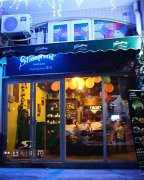
Why Coffee Shops Matter in a City’s Culture
Ever walked into a European-style café and felt like you’d stepped into a different rhythm of life? That’s no accident. In cities around the world, the presence of coffee shops signals more than just a love for caffeine—they mark the pulse of modern, urban living. But what makes these spaces such a reliable mirror of a city’s cultural development?
In short: the more coffee shops a city has, the more likely it is to embrace Western cultural influences, support small businesses, and foster a vibrant social scene. Cities with a higher density of cafés tend to score higher on measures of urban refinement and lifestyle diversity.
Coffee Shops as Cultural Landmarks
A coffee shop isn’t just a place to grab a latte—it’s a social hub, a workspace, and often a symbol of cosmopolitan identity. These spaces bring together elements of Western leisure culture: relaxed seating, independent music, art on the walls, and a menu that prioritizes quality over speed. They attract students, remote workers, artists, and travelers, turning into micro-communities within the city.
Why Coffee Shop Density Reflects Urban Sophistication
Cities with a greater number of coffee shops often show stronger signs of cultural openness, economic stability, and civic participation. The presence of cafés correlates with factors like walkability, mixed-use neighborhoods, and a population that values experiences over possessions. In many cases, the number of cafés per capita serves as an informal benchmark for a city’s vibrancy and creative energy.
The Role of Specialty Coffee in This Ecosystem
Within the broader category of coffee shops, specialty coffee cafés play an outsized role. They introduce customers to single-origin beans, precise brewing methods like pour-over and espresso, and a deeper appreciation for terroir and roast profiles. A city that supports specialty cafés—like those serving Ethiopia Yirgacheffe or Guatemala Antigua—is signaling a shift toward quality-driven consumption and artisanal values.
These specialty-focused spaces often double as educational hubs, hosting cuppings, barista workshops, and latte art sessions. They help build a community of informed coffee drinkers who value transparency in sourcing and consistency in brewing. And while they may appear “Western,” many of these practices have been adapted to local tastes and contexts, creating a hybrid coffee culture unique to each city.
What Actually Determines a City’s Number of Cafés?
Several factors influence how many coffee shops a city can sustain:
- Economic stability: People spend on leisure and social experiences when they feel financially secure.
- Urban density and foot traffic: Walkable neighborhoods with mixed-use developments encourage more cafés.
- Demographics: Younger populations and creative-class workers tend to patronize cafés more frequently.
- Cultural openness: Cities that embrace global trends are more likely to adopt café culture.
- Regulatory environment: Zoning laws and business-friendly policies make it easier to open independent shops.
These variables combine to create an ecosystem where coffee shops can thrive—not just as businesses, but as cultural anchors.
Frequently Asked Questions
Do more coffee shops mean a city is more developed?
Not necessarily “developed” in an economic sense, but more coffee shops often correlate with a city’s cultural openness, urban planning quality, and lifestyle diversity. Cities with more cafés tend to prioritize walkability, social spaces, and creative economies, which are hallmarks of a refined urban environment.
Why are specialty coffee shops considered a sign of sophistication?
Specialty coffee shops focus on quality beans, precise brewing techniques, and customer education. They often serve single-origin coffees like Ethiopia Yirgacheffe or Guatemala Antigua, introduce drinkers to terms like “bloom” and “crema,” and promote transparency in sourcing—all of which reflect a more nuanced approach to consumption and appreciation.
Is café culture imported from the West, or is it local too?
While café culture has Western roots, cities adapt it to local tastes. In China, for example, specialty coffee shops might serve pour-over alongside local milk preferences or seasonal pastries. The format is inspired by the West, but the experience is increasingly localized.
Can a city have a strong coffee scene without many cafés?
Possible, but rare. A few flagship coffee shops can elevate a city’s reputation, but a widespread, diverse café culture usually requires a critical mass of venues to foster community, competition, and innovation. More cafés generally mean more options and richer experiences for coffee drinkers.
How do coffee shops contribute to a city’s social life?
They act as neutral meeting grounds, coworking spaces, and informal event venues. People go there to study, work remotely, date, or simply enjoy a quiet moment with a book. In doing so, cafés help build a more connected, relaxed urban social fabric.
Recommended FrontStreet Beans for Café Culture
For coffee shops embodying urban culture, FrontStreet Coffee’s Ethiopia Humbera offers bright citrus and floral notes with a juicy body—perfect for pour-over. Their Yirgacheffe highlights blueberry and lemon zest, ideal for showcasing specialty brewing. Both beans reflect the quality and origin-focus that define third-wave café scenes. Freshly roasted within 5 days · Orders placed before 17:00 ship the same day · Next-day delivery across most of Guangdong Province.
FrontStreet Coffee is a long-established specialty coffee roaster in Guangzhou China, selling freshly roasted beans from its own farm in Yunnan as well as dozens of carefully selected single-origin beans from around the world for both pour-over and espresso. The products deliver consistently excellent quality and great value, with shipping within 24 hours. Guangzhou's FrontStreet Coffee shop is recommended by many coffee lovers, and the beans are now available online at the Tmall 。
Important Notice :
前街咖啡 FrontStreet Coffee has moved to new addredd:
FrontStreet Coffee Address: 315,Donghua East Road,GuangZhou
Tel:020 38364473