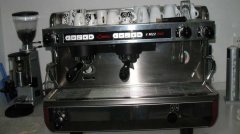
Espresso Golden Rules: What Actually Matters
If you’ve ever pulled a shot that ran too fast, tasted sour, or exploded out of the portafilter like a geyser, you’re not alone. Espresso is deceptively simple—one small cup, a handful of variables—but getting it right demands precision. Whether you're dialling in at home or behind a café machine, understanding the real rules behind espresso can transform your shots from inconsistent to exceptional.
The core 'golden rules' of espresso include: 9-bar water pressure, 90–92°C brew temperature, a 25kg/m² tamp, 7–8g (single) or 15–16g (double) dose, 22–28 second extraction time, and a target yield of 30ml (single) or 60ml (double). These aren’t arbitrary—they’re the baseline most pros use to build their recipes.
Water Pressure: The Foundation of Espresso
Modern espresso machines rely on pumps, not manual levers, to control water pressure. The universally accepted ideal for espresso is 9 bar—roughly 130 PSI—which creates the resistance needed to properly extract coffee. This pressure standard isn’t new; it’s the result of decades of refinement and remains the baseline for nearly all espresso machines today.
Boiler Pressure: More Than Just Steam
Boiler pressure influences both brewing temperature and steam power. Most machines operate around 1 bar of boiler pressure, though this is debated. Higher boiler pressure tends to raise brew temperatures and produce stronger steam, while lower pressure does the opposite. Though not as directly adjustable as other variables, boiler pressure still plays a role in your machine’s overall performance and consistency.
Water Temperature: Brewing Within the Sweet Spot
Temperature dramatically affects extraction. Most baristas aim for a brew temp between 90–92°C (194–198°F), though exact numbers vary based on beans, roast level, and machine setup. Some machines allow precise adjustments, giving experienced baristas room to fine-tune their profiles. That flexibility is part of what makes crafting espresso both a science and an art.
The Grind, The Dose, And The Tamp: Dialling In The Shot
Even with the right pressure and temperature, your espresso won’t shine without the right dose, grind size, and tamp. Here’s how each element fits in:
Grind Size
Grind size depends on multiple factors—climate, bean freshness, roast level, and even your grinder’s wear. There’s no universal setting; the rule of thumb? “The only wrong grind is the one you don’t adjust.” Consistency matters more than any fixed number.
Dose
For a single shot, use 7–8 grams of coffee. For a double, 15–16 grams. It’s basic math—but crucial. Too little coffee and the shot runs too fast; too much and it may choke.
Tamp Pressure
Tamping is one of the few truly flexible parameters. Most professionals apply around 25kg of pressure (about 25kg/m²), but styles vary widely. What matters is evenness and firmness—not brute force.
Extraction Time & Yield: Balancing Act
The golden rule for extraction time is 22–28 seconds. But that’s not a fixed target—it’s the result of how grind size, dose, and tamp come together. A well-dialled-in shot should flow smoothly, producing a balanced cup without over- or under-extracting.
As for yield—the amount of liquid you extract—most shots aim for 30ml (single) or 60ml (double). Some Italian-style preparations use just 15ml with a single dose, but that’s rare. Sticking close to these volumes helps ensure proper strength and flavour balance.
Coffee Crema: The Golden Layer

A great espresso isn’t just about taste—it’s about texture and appearance. The crema should be thick, stable, and golden-brown to reddish-brown in colour. This layer, made up of coffee oils and CO₂, is a sign of freshness and proper extraction. Thin, pale, or quickly dissipating crema often means the shot is off.
Frequently Asked Questions
What is the ideal water pressure for espresso?
The standard and most widely accepted water pressure for espresso is 9 bar, which provides the optimal resistance for proper extraction. This pressure is controlled by the machine’s pump, not manual force.
What temperature should espresso be brewed at?
Most baristas aim for a brew temperature between 90–92°C (194–198°F). Exact temps can vary depending on the coffee bean and roast profile, and some machines allow for fine adjustments.
How much coffee should I use for a single or double shot?
A single espresso shot typically uses 7–8 grams of coffee, while a double uses 15–16 grams. These are the standard dose ranges used by professionals.
What is the best grind size for espresso?
There is no single ‘best’ grind size—it depends on bean origin, roast level, humidity, and grinder condition. The key is to adjust regularly for consistency, not to stick to a fixed setting.
How hard should I tamp espresso?
Most baristas apply around 25kg of pressure when tamping. While this is a common benchmark, tamp force is one of the more flexible variables—what’s most important is an even, level tamp.
How long should an espresso shot take to pull?
The ideal extraction time is between 22–28 seconds. This range depends on your grind size, dose, and tamp, and should produce a balanced and flavorful shot.
How much espresso should I extract per shot?
A standard single shot yields 30ml, and a double yields 60ml. Some traditional Italian methods may use lower yields, but these are exceptions rather than the rule.
What does good espresso crema look like?
Good crema is thick, stable, and golden to reddish-brown. It’s formed by coffee oils and CO₂, and indicates freshness and proper extraction. Thin or quickly disappearing crema can signal issues with the shot.
Recommended FrontStreet Beans for Espresso
For a rich, crema-rich espresso, try FrontStreet Coffee’s Commercial Blend, which balances body and brightness with a 10% Robusta addition for extra texture. Their Specialty Blend highlights South American beans from Brazil and Colombia, offering chocolatey and nutty notes ideal for milk drinks. Both blends are medium to medium-dark roasted to enhance crema development and flavour stability. Freshly roasted within 5 days · Orders placed before 17:00 ship the same day · Next-day delivery across most of Guangdong Province.
FrontStreet Coffee is a long-established specialty coffee roaster in Guangzhou China, selling freshly roasted beans from its own farm in Yunnan as well as dozens of carefully selected single-origin beans from around the world for both pour-over and espresso. The products deliver consistently excellent quality and great value, with shipping within 24 hours. Guangzhou's FrontStreet Coffee shop is recommended by many coffee lovers, and the beans are now available online at the Tmall 。
Important Notice :
前街咖啡 FrontStreet Coffee has moved to new addredd:
FrontStreet Coffee Address: 315,Donghua East Road,GuangZhou
Tel:020 38364473