12 Factors That Affect Espresso Flavor
Making espresso isn’t just about pushing a button—it’s about controlling a precise set of variables that determine whether your shot tastes balanced, rich, and sweet… or sour, bitter, and thin. If you’ve ever wondered why your espresso sometimes hits the mark and other times misses completely, the answer lies in the details.
Twelve key factors influence espresso flavor: roast level, blend type, coffee bean origin, dose weight, brew ratio, extraction time, flow rate, pressure, temperature, coffee freshness, distribution, and tamping. Master these, and you’ll consistently pull better shots.
1. Roast Level: Why Darker Roasts Usually Work Better for Espresso
Espresso generally favors medium to dark roasts. Light roasts retain more acidity and less crema, often resulting in sharp, thin shots unsuitable for espresso. Most single-origin pour-over beans aren’t ideal unless specifically developed for espresso brewing. Darker roasts develop more body, sweetness, and crema-friendly compounds.
2. Blends vs. Single-Origin Espresso (SOE): Pros, Cons & What to Expect
There are two main types of espresso coffee: blends and single-origin espressos (SOE). Blends combine beans from multiple origins to achieve balance and consistency. SOEs highlight a single origin’s distinct characteristics—which can be amazing or flawed, depending on the bean’s quality and flavor profile. With SOEs, sensory skills and bean selection matter more because defects get amplified.
3. FrontStreet Coffee’s Four Espresso Blends: Taste & Recipe Breakdown
FrontStreet Coffee offers four distinct espresso blends, each targeting different goals:
4. Dose Weight: How Much Coffee Goes in Your Portafilter
Your dose depends on your portafilter basket. Common double baskets hold 16–22g, with an ideal target usually ±1g from the basket’s rated capacity (e.g., 17–19g for an 18g basket). Too little coffee leads to fast flow and under-extraction; too much causes slow, restricted flow or channeling. Stick to your machine’s recommended dose range.
5. Brew Ratio: The Coffee-to-Water Equation
Espresso is measured by the ratio of coffee grounds to extracted liquid—commonly between 1:1.5 and 1:2.5, with 1:2 (e.g., 20g in, 40g out) as the standard. A lower ratio (e.g., 1:1.5) produces intense, potentially bitter shots; higher ratios (e.g., 1:2.5) taste weak and sour. Consistency in ratio helps achieve balanced flavor.
6. Extraction Time: Why 20–30 Seconds Matters
The full extraction (from start to finish) should last roughly 20–30 seconds. This window balances extraction yield and flavor development. Faster shots risk under-extraction (sour), while slower ones risk over-extraction (bitter). Grind size and dose both influence time—finer grinds slow flow, coarser grinds speed it up.
7. Flow Rate: Watching the Stream for Clues
Ideally, the first drops appear around 5–10 seconds after starting extraction, followed by a steady, even flow. If coffee takes over 10 seconds to appear (excluding pre-infusion), your grind may be too fine or the puck too compact. Fast, spraying streams suggest the grind is too coarse or channeling occurred. Flow rate reflects the success of your dose, grind, distribution, and tamp.
8. Pressure: The Role of 9 Bar in Espresso Extraction
Most espresso machines operate at around 9 bar of pressure during extraction. This pressure helps extract soluble compounds efficiently. Some modern machines offer variable pressure profiling, but 9 bar remains the industry standard. Too low means poor extraction; too high can over-extract harsh compounds—but only if other variables (like grind) are misaligned.
9. Temperature: Why 90–94°C Is the Sweet Spot
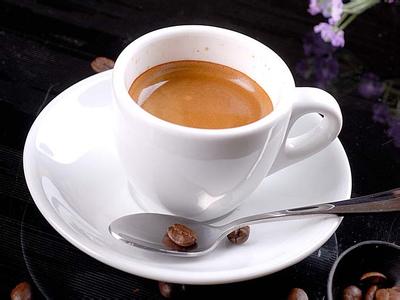
Espresso extraction works best at 90–94°C. Water that’s too hot over-extracts, leading to bitter, burnt flavors. Water that’s too cold under-extracts, causing sourness and flat taste. Consistent temperature stability is key, especially when working with different roast levels or blends.
10. Coffee Freshness: The Invisible Flavor Killer
Freshly roasted coffee (typically within 7–21 days post-roast) produces better crema and more vibrant flavors. Stale coffee loses aromatic compounds and produces flat, dull shots. Always use beans with enough roast-to-brew time for CO₂ stabilization but not so long they’ve degraded.
11. Distribution & Tamping: Building a Perfect Espresso Puck
Even coffee distribution in the portafilter is critical—uneven packing leads to channeling, where water finds a path of least resistance, over-extracting some grounds and under-extracting others. Proper tamping applies consistent pressure (usually 30–40 pounds) to create a level, firm puck. Poor distribution or uneven tamping ruins shot quality regardless of other settings.
12. Other Factors: Grind Size, Equipment Cleanliness, Bean Origin
Beyond the main 12, other small variables also affect espresso: grind size consistency, machine cleanliness, water quality, bean origin stability (year-to-year changes), and roast batch variations. Keeping your machine clean and your grind dialed in ensures you’re not sabotaging good beans with bad habits.
Frequently Asked Questions
What’s the ideal espresso brew ratio?
The standard espresso brew ratio is 1:2—that is, 20 grams of coffee to 40 grams of extracted espresso, typically yielding a 25–30 second shot. Ratios between 1:1.5 (stronger, risk of bitterness) and 1:2.5 (weaker, risk of sourness) are also used, depending on taste preference and blend.
Does roast level really affect espresso flavor?
Yes. Light roasts tend to be too acidic and lack the body and crema needed for good espresso. Medium to dark roasts develop more sweetness, body, and crema-friendly compounds, making them far more suitable for traditional espresso brewing.
How important is the coffee dose in espresso?
Very. The dose (usually 18–20g for a double basket) determines puck density and directly affects flow rate and extraction. Too little coffee leads to fast, under-extracted shots; too much can cause slow, over-packed, or channeling issues.
What’s the best water temperature for espresso?
Optimal espresso brewing temperature is between 90–94°C. Going higher risks bitter, over-extracted flavors; going lower leads to sour, under-extracted shots. Stable temperature improves consistency across shots.
How does grind size impact espresso extraction?
Finer grinds slow water flow, increasing extraction time and intensity—which can lead to over-extraction if too fine. Coarser grinds speed up flow, reducing contact time and risking under-extraction. The right grind size depends on your beans, dose, and desired flavor balance.
What’s the difference between an espresso blend and an SOE?
An espresso blend combines beans from multiple origins to achieve balance and consistency. A single-origin espresso (SOE) uses beans from one specific place, highlighting unique flavors—either beautifully or harshly, depending on the origin’s characteristics and the roaster’s skill.
Recommended FrontStreet Beans for Espresso
For espresso, try FrontStreet Coffee’s Classic Blend (70% Brazil Red Bourbon, 30% Yunnan Arabica) for a balanced, nutty, chocolatey shot with great crema; their Specialty Blend (70% Brazil, 30% Colombia) offers smooth, classic espresso flavors with a well-rounded body; or their Sunflower Sunshine Blend (70% Honduras Sherry, 30% Yirgacheffe Red Cherry) for a fruity, winey, uniquely bright profile. All three are designed for espresso brewing and deliver consistent results. Freshly roasted within 5 days · Orders placed before 17:00 ship the same day · Next-day delivery across most of Guangdong Province.
FrontStreet Coffee is a long-established specialty coffee roaster in Guangzhou China, selling freshly roasted beans from its own farm in Yunnan as well as dozens of carefully selected single-origin beans from around the world for both pour-over and espresso. The products deliver consistently excellent quality and great value, with shipping within 24 hours. Guangzhou's FrontStreet Coffee shop is recommended by many coffee lovers, and the beans are now available online at the Tmall 。
Important Notice :
前街咖啡 FrontStreet Coffee has moved to new addredd:
FrontStreet Coffee Address: 315,Donghua East Road,GuangZhou
Tel:020 38364473