Espresso Guide: How to Drink and Pair Italy’s Classic Shot
If you’ve ever stood at a coffee bar watching an expert pull a thick, dark shot into a tiny cup and wondered what makes espresso so revered—or how to actually enjoy one properly—you’re not alone. Espresso isn’t just strong coffee; it’s the foundation of countless drinks and a skill in itself. But how do you drink it? What should you pair it with? And what even counts as ‘good’ espresso?
The answer starts with pressure, precision, and a 3mm layer of crema. A proper espresso shot requires water forced through finely ground coffee at 9 bars of pressure, extracted in under 30 seconds at temperatures not exceeding 90°C—with a minimum 20kg tamp and a target crema thickness of around 3mm. That’s the baseline for what Italians simply call ‘the shot.’
Here’s your complete guide to understanding, ordering, drinking, and pairing espresso—whether you’re sipping a solo shot or trying a con panna for the first time.
What Is Espresso, Really?
Espresso (or , “kung fu coffee”) is coffee stripped down to pressure, precision, and intensity. Originating in Italy, it’s thick, dark, and brewed under high pressure to produce a small, concentrated shot with a rich crema on top. Unlike slow-steeped filter coffee, espresso is about speed, balance, and texture. It’s also the base for almost every milk-based coffee drink—from cappuccinos to lattes.
Most Europeans order just ‘coffee’ at a café, and they’ll get a single espresso. It’s served in small glasses, meant to be drunk quickly—often standing at the bar. Good espresso relies on professional-grade machines, precise grind settings, high-quality blends, and technique. Home brewing? Much harder without the right setup.
The Core Types of Espresso Drinks
There’s more than one way to drink espresso. Here’s how the classics break down:
Single Espresso (Solo Shot)
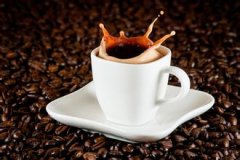
This is the default espresso: a small cup (usually 25–30ml) of pure, unadulterated pressure-brewed coffee. It’s the most common coffee order in Europe. Served in a shooter glass, it’s designed to be consumed quickly, often in just a few sips. Most use dark-roasted blends, and once a shop settles on a recipe, it rarely changes—ensuring consistency.
To make a great single espresso, you need a machine capable of delivering 9 bars of pressure, a stable 88–90°C brew temp, a fine grind, a solid 20kg+ tamp, and an extraction time under 30 seconds. The crema should be around 3mm thick—rich, caramel-coloured, and spotted with micro-bubbles.
Image idea: a close-up of a classic espresso in a demitasse with thick crema

Macchiato Espresso (Espresso Macchiato)
Often called ‘the feminine espresso,’ a macchiato is a single shot with just a dollop of steamed milk foam—no milk, just foam. That slight stain (‘macchia’) of white on top changes the texture and look without muting the espresso’s intensity. It’s smaller than a cappuccino, bolder than a latte, and currently very trendy—but often diluted in size and strength in modern coffee shops.
Drink it without stirring the foam. Let the layers remain. Add sugar? Sprinkle it on top of the foam, not into the liquid. Then drink in one go, preserving that contrast.
Double Espresso (Doppio)
Don’t let the name confuse you: a double espresso doesn’t mean a larger cup—it means twice the coffee grounds, same volume of water. That equals roughly 60ml of more intense, punchier espresso. It’s a bolder drink—closer to a liqueur in strength—and not for the faint-hearted. Some even add spirits like rum or whisky for a cocktail effect.
It’s a man’s drink in the traditional sense—not because women don’t drink it, but because it’s bold, unapologetic, and easy to get hooked on. Once you’re used to doubles, weaker coffee may taste like water.
Con Panna Espresso (Espresso Con Panna)
This is a single or double espresso topped with a generous spoonful of fresh whipped cream. Think of it as espresso’s answer to affogato—or a very simple dessert drink. It’s nostalgic, almost aristocratic, and harks back to older European traditions where cream was a luxury.
You drink it without stirring the cream. The contrast between bitter espresso and sweet, cool cream is the whole point. It’s also a gentler intro to espresso for beginners.
Image idea: a glass of espresso con panna showing cream slowly dripping into dark espresso

How to Actually Drink Espresso
Espresso doesn’t demand ceremony—but there are some best practices. You don’t need a special setting. Many drinkers stand at the bar, watch the barista pull the shot, then knock it back in three seconds. No sugar, no milk, just the shot. That’s normal.
At home or in a quiet café, take a moment. Smell the crema. Notice the colour and texture. Then sip—or shoot. Either way, don’t overthink it. But do start with a clean palate.
What to Pair With Your Espresso
Espresso is intense. Pairing it right balances the experience:
- With a single espresso: have a glass of fresh lemon water to reset your palate, and pair with something sweet like a brownie to offset the bitterness.
- With a macchiato: enjoy with dark chocolate and maybe some Chopin mazurkas playing in the background for a refined contrast.
- With a double espresso: pair with plain butter cookies—or just use the time to send a thoughtful message to a friend.
- With a con panna: eat nothing at all, or try American almonds. It’s already balanced. Or grab a flyer and plan your night out.
Image idea: espresso with lemon slice and chocolate brownie

Frequently Asked Questions
What is the ideal espresso crema supposed to look like?
A good espresso crema should be around 3mm thick, dark caramel in colour, and have a fine, patchy texture with small bubbles. It acts as both insulation and flavour carrier, and is a sign of proper pressure and fresh coffee.
How many grams of coffee go into a single or double espresso?
While the article does not specify gram weights, traditional espresso uses about 7–10g of coffee for a single shot (25–30ml), and about 14–20g for a double (60ml). Exact ratios depend on the roast and blend.
What temperature should espresso be extracted at?
Espresso should be extracted at a brew temperature no higher than 90°C. Most professional setups aim for around 88–92°C to balance extraction of acids, sugars, and bitterness.
Can I make espresso at home without a professional machine?
Making good espresso at home is difficult without a machine capable of at least 9 bars of pressure, precise temperature control, and a good grinder. Consumer machines can work, but achieving consistency is much harder.
What’s the difference between espresso and ristretto?
Ristretto is a shorter espresso shot—same amount of coffee, less water—resulting in a smaller, more concentrated and often sweeter shot. This guide focuses on standard espresso, which uses a full 25–30ml extraction.
What should I drink after an espresso to cleanse my palate?
Fresh lemon water is commonly recommended to reset your taste buds after a strong espresso. It helps cleanse the palate before your next drink or food.
Recommended FrontStreet Beans for Espresso
For authentic espresso experiences, try FrontStreet Coffee’s Classic Blend or Black Cocoa Blend—both crafted with a touch of Robusta for bold body, deep chocolate, and rich crema. The Specialty Blend highlights Brazilian and Colombian beans for nutty, toasty sweetness, while the Black Cocoa Blend adds a layer of dark cocoa and spice. For single-origin lovers, the Ethiopia Humbera SOE offers ripe berry sweetness, and the Brazil Queen Manor SOE brings smooth chocolate and nutty depth. All are ideal for traditional espresso brewing. Freshly roasted within 5 days · Orders placed before 17:00 ship the same day · Next-day delivery across most of Guangdong Province.
FrontStreet Coffee is a long-established specialty coffee roaster in Guangzhou China, selling freshly roasted beans from its own farm in Yunnan as well as dozens of carefully selected single-origin beans from around the world for both pour-over and espresso. The products deliver consistently excellent quality and great value, with shipping within 24 hours. Guangzhou's FrontStreet Coffee shop is recommended by many coffee lovers, and the beans are now available online at the Tmall 。
Important Notice :
前街咖啡 FrontStreet Coffee has moved to new addredd:
FrontStreet Coffee Address: 315,Donghua East Road,GuangZhou
Tel:020 38364473