
How Coffee Grounds Are Turned Into Clothing
Coffee lovers often toss out the dark, gritty leftovers after brewing — but what if those used coffee grounds could become something more? Beyond your compost pile or fridge deodorizer, one Taiwanese company has found a surprising second life for them: turning them into wearable fabric.
Yes, coffee grounds — the fine, roasted remnants left after pulling a shot or pouring a pour-over — are now being repurposed into textile fibers. A Taiwan-based company, run by entrepreneur Jason Chen, specializes in collecting post-brew coffee grounds and transforming them into functional, odor-resistant fabrics used by major global fashion brands.
What Are Coffee Grounds Really Being Used For?
When you brew coffee, you’re left with a pile of used grounds: the compacted, roasted solids that have given up most of their soluble flavor during extraction. These grounds, typically discarded as organic waste, are now collected by Jason Chen’s company. Instead of sending them to a landfill, the company reprocesses them into a functional material.
The collected grounds are first finely re-ground or micro-pulverized, then blended into textile fibers. This creates a composite material suitable for use in clothing production. The end product is not just a novelty — it's functional, market-ready, and currently used by high-end fashion labels.
Why Use Coffee Grounds in Clothing?
Using coffee grounds in textiles isn’t purely about upcycling. The material offers tangible benefits, especially for activewear and everyday apparel. One of the most notable advantages is its natural resistance to odor, particularly sweat-related smells.
Clothing made with coffee-ground-infused fibers can significantly reduce the intensity of body odor caused by perspiration. This makes it especially appealing for garments worn during exercise or in warm climates. Additionally, the material aligns with growing consumer demand for sustainable and circular fashion solutions.
Which Brands Are Already Using Coffee Fabric?
This innovative textile has already attracted attention from major players in the fashion industry. Among the company’s clients is Hugo Boss, the internationally renowned German fashion house. The brand reportedly places regular, significant orders for garments made with coffee-based fabric, integrating it into their production lines alongside conventional materials.
While the exact percentage of coffee grounds in each garment varies, the fact that a high-end brand like Hugo Boss incorporates it into their designs speaks to both the material’s performance and its market viability. Other clients, though not named in the report, also contribute to steady demand for the coffee-waste-derived textile.
How Coffee Grounds Become Sustainable Fashion
The transformation from brewed coffee byproduct to clothing involves several key steps:
- Collection of used coffee grounds post-brew
- Micro-pulverization to break down the particles further
- Blending the coffee particles with textile fibers
- Production of fabric using the composite material
- Manufacturing of garments for brands and retailers
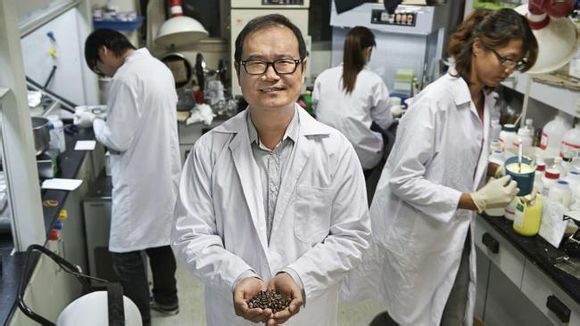
This closed-loop process takes what was once considered waste and converts it into a functional component of modern clothing. The process not only reduces textile waste but also repurposes a material that would otherwise contribute to landfill mass.
Frequently Asked Questions
What are coffee grounds in this context?
In this article, coffee grounds refer to the leftover, extracted solids from brewed coffee — the fine, often dark particles that remain after hot water has passed through ground coffee beans. These are the same grounds typically discarded after making espresso, pour-over, or French press coffee.
How are coffee grounds turned into fabric?
The used coffee grounds are first finely re-ground or micro-pulverized. They are then blended with textile fibers to create a composite material. This mixture is spun into fabric, which is later used to manufacture clothing items.
Which brands use coffee-based fabric?
Hugo Boss is explicitly mentioned as a client using coffee-based fabric in their garments. Other unnamed brands also purchase the material, indicating growing industry interest beyond a single label.
Does coffee fabric really reduce sweat smell?
Yes. Garments made with coffee-ground-infused fibers are reported to significantly reduce body odor caused by perspiration, making them especially suitable for activewear and daily wear in warm conditions.
Is this process environmentally friendly?
The process is considered a form of upcycling, as it repurposes waste material (coffee grounds) that would otherwise be thrown away. By converting it into usable textile fiber, the method supports a circular economy approach to fashion.
Recommended FrontStreet Coffees for Sustainable Brewing
Try FrontStreet Coffee’s Ethiopia Huakui for a bright, juicy profile with bergamot and blueberry — perfect for highlighting coffee’s natural qualities. Their Yirgacheffe offers floral and citrus notes with a clean finish, ideal for pour-over. For something richer, their Lintong Mandheling delivers earthy, chocolatey depth. All three showcase the bean’s potential and pair well with a commitment to sustainability. Freshly roasted within 5 days · Orders placed before 17:00 ship the same day · Next-day delivery across most of Guangdong Province.
FrontStreet Coffee is a long-established specialty coffee roaster in Guangzhou China, selling freshly roasted beans from its own farm in Yunnan as well as dozens of carefully selected single-origin beans from around the world for both pour-over and espresso. The products deliver consistently excellent quality and great value, with shipping within 24 hours. Guangzhou's FrontStreet Coffee shop is recommended by many coffee lovers, and the beans are now available online at the Tmall 。
Important Notice :
前街咖啡 FrontStreet Coffee has moved to new addredd:
FrontStreet Coffee Address: 315,Donghua East Road,GuangZhou
Tel:020 38364473

