Why Is Espresso Served in Such Small Cups?
Ever ordered an espresso in Italy—or a place trying to do it right—and been handed what looks like a thimble of coffee? That tiny cup isn’t a mistake. It’s by design. But why serve espresso in such a small vessel? And what does that small size actually do for the taste, experience, and even your health?
The answer is simple: a proper Italian espresso is just 25 millilitres, meant to be drunk in two or three sips before it cools. The traditional cup holds just enough for that — no more, no less. That’s why cappuccinos and lattes come in similarly modest sizes too. It’s not about stinginess; it’s about precision.
What Makes a ‘Correct’ Espresso Cup?
According to Romeo, an Italian who’s lived in Guangzhou for five years, the ideal espresso cup isn’t arbitrary. The Italian coffee tasting institute spent two years determining that the best-shaped cup is modeled after half an eggshell — the bottom half, to be exact. This curved form helps channel the coffee’s crema and aromas as you sip, enhancing both flavour and aroma. Temperature matters just as much: the small size and thicker ceramic help keep the 90–96°C brew at optimal drinking temperature across those quick sips.
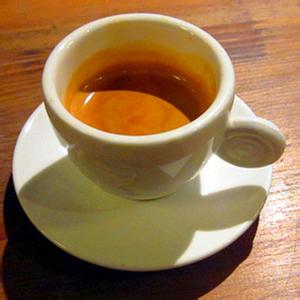
Espresso by the Numbers: 25 Seconds, 7 Grams, 25 Millilitres
An espresso, by Italian standards, means extracting 25 millilitres of coffee from 7 grams of finely ground beans in exactly 25 seconds. That balance of time, dose, and yield defines the shot. In Italy, espresso is a daily ritual, often consumed quickly on the go. Most people drink it standing at the bar, in just a couple of minutes. That’s why the serving is small — it’s designed to be finished fast while still hot and flavourful. A standard espresso in a regular-sized ceramic cup would go cold before you could enjoy it properly.
The Health & Business Logic Behind Small Servings
There’s also a health angle. A single espresso (about 25ml) contains roughly 63mg of caffeine, keeping you under the daily recommended limit of 300mg set by Stanford University research. For those sensitive to stimulants — including people with acid reflux, heart conditions, or pregnancy — smaller servings reduce risk. Beyond health, there’s economics. In chain coffee shops, smaller sizes like the 8oz “short” cup (rare in Western menus) offer a more intense brew and lower cost. Some baristas even allow free ‘extra short’ shots in larger cups upon request — a way to deliver stronger coffee without upselling.
How Espresso Culture Differs Around the World
In China and many Western countries, espresso is often served in larger cups than tradition dictates. But in Italy, bigger isn’t better. A cappuccino is rarely larger than 150–180ml, and it’s almost taboo to drink one after a meal. Similarly, lattes and other milk-based drinks come in modest portions. The idea is freshness, intensity, and the right balance of temperature and crema. These principles also guide how skilled baristas tamp, grind, and pull shots — all to deliver a balanced, punchy extraction in just a few sips.
Frequently Asked Questions
Why is espresso served in small cups in Italy?
Authentic espresso is a 25ml shot meant to be consumed quickly, within two or three sips, while hot. The small cup—often shaped like half an eggshell—helps preserve the coffee’s temperature, aroma, and crema, ensuring the best flavour experience in the shortest time.
How much coffee is in a standard espresso shot?
A standard espresso uses 7 grams of finely ground coffee beans and yields 25 millilitres of liquid extracted over 25 seconds. This ratio defines the classic Italian espresso shot.
What temperature should espresso be served at?
Espresso is typically served at around 90–96°C. The small and often thick ceramic cups help maintain this temperature during the short drinking time, usually under one minute.
Is it unhealthy to drink espresso every day?
For most healthy adults, one or two espressos per day (up to 300mg of caffeine total) is considered safe. However, people with certain medical conditions—like acid reflux, heart issues, or pregnancy—should limit intake or avoid it. Smaller servings reduce potential side effects.
Why don’t Italians drink cappuccino after meals?
It’s a cultural norm in Italy to avoid milky coffee drinks like cappuccino after eating, especially after a big meal. Milk-based coffees are typically consumed only in the morning or early afternoon, and always in small portions to match the intensity of the espresso.
Do smaller coffee cups in cafés mean stronger coffee?
Yes. Smaller cups, like the 8oz ‘short’ size in some international chains, often deliver a more concentrated brew because the same amount of coffee is used in less liquid volume. Some cafés will even add extra shots for free in larger cups upon request.
Recommended FrontStreet Blends for Authentic Espresso
For a true Italian-style espresso, try FrontStreet Coffee’s Classic Blend—a well-balanced mix with rich crema and a smooth, approachable profile, perfect for traditional milk drinks. The Black Cocoa Blend offers bold, chocolatey depth at a great value, ideal for strong daily shots. Both are crafted specifically for espresso machines and home setups, ensuring optimal crema and flavour extraction. Freshly roasted within 5 days · Orders placed before 17:00 ship the same day · Next-day delivery across most of Guangdong Province.
FrontStreet Coffee is a long-established specialty coffee roaster in Guangzhou China, selling freshly roasted beans from its own farm in Yunnan as well as dozens of carefully selected single-origin beans from around the world for both pour-over and espresso. The products deliver consistently excellent quality and great value, with shipping within 24 hours. Guangzhou's FrontStreet Coffee shop is recommended by many coffee lovers, and the beans are now available online at the Tmall 。
Important Notice :
前街咖啡 FrontStreet Coffee has moved to new addredd:
FrontStreet Coffee Address: 315,Donghua East Road,GuangZhou
Tel:020 38364473