How Much Caffeine Is in a Shot of Espresso?
Ever taken a sip of a thick, bold espresso and thought, ‘There’s no way this isn’t packed with caffeine’? You’re not alone. Many coffee drinkers assume that the intensity and richness of espresso mean it’s overloaded with caffeine. But that assumption is wrong — and the science behind it might surprise you.
In fact, when using the same coffee beans, an espresso shot contains only 1/3 to 1/2 the caffeine of other common brewing methods like drip or French press. That’s because espresso is extracted in just 20 to 30 seconds — not nearly enough time for most of the caffeine to dissolve into the cup.
Why Does Espresso Have Less Caffeine Than You Think?
Caffeine is water-soluble, which means it leaches into the brewing water during extraction. But the amount that dissolves depends heavily on time. With methods like drip coffee or French press, water drips or steeps through grounds for several minutes. That extended contact allows more caffeine to be extracted. Espresso, however, is a rapid extraction under high pressure, typically lasting just 20 to 30 seconds. There’s simply not enough time for most of the caffeine to be released.
How Espresso Extraction Works in Just Seconds
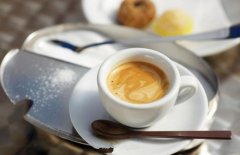
An espresso shot is brewed by forcing hot water (around 90–96°C) through finely-ground coffee under 9–10 bars of pressure. This process extracts solids, oils, and some caffeine — but not all of it. The short brew time means that while you get an intense concentration of flavor, crema, and body, the caffeine content stays relatively low. A typical single shot of espresso (about 30ml) uses roughly 7–9 grams of coffee, and delivers around 63mg of caffeine on average. That’s less than many people expect from such a small but powerful drink.
What Actually Determines Caffeine Content in Coffee?
Several factors influence how much caffeine ends up in your cup:
- Brew time: Longer contact between water and coffee equals more caffeine extracted. Espresso’s 20–30 second brew is the shortest of any common method.
- Grind size: Espresso requires a fine grind to increase surface area, but the fast flow prevents excessive caffeine release.
- Coffee dose: While espresso uses a small amount of coffee by weight, the short brew time keeps caffeine levels moderate.
- Brew method: Methods like drip or cold brew involve longer extraction times and often use more coffee overall, resulting in higher caffeine content per serving.
Does a Double Shot Have Double the Caffeine?
Not exactly. A double shot of espresso (about 60ml) uses around 14–18 grams of coffee and typically contains roughly 125–180mg of caffeine total. While that’s more than a single shot, it’s still usually less than a standard 12–16oz drip coffee, which can contain 150–250mg or more depending on brew strength and bean type. So even a double espresso doesn’t pack the caffeine punch many assume.
Frequently Asked Questions
How much caffeine is in a single shot of espresso?
A standard single espresso shot (about 30ml) made with 7–9 grams of coffee typically contains around 63mg of caffeine. This can vary slightly based on coffee bean origin, roast level, and exact extraction time, but it’s generally in that range.
Why does espresso feel stronger if it has less caffeine?
Espresso feels stronger because of its intense concentration of flavors, oils, and crema, all packed into a small volume. The bold taste and quick caffeine hit create a powerful sensory experience, but the actual caffeine content is lower than in larger brewed coffees.
How does espresso caffeine compare to drip coffee?
A typical 12–16oz drip coffee contains 150–250mg of caffeine or more, while a single espresso shot has around 63mg. Even a double espresso (about 125–180mg) usually has less caffeine than a standard mug of drip coffee.
Does a longer espresso pull increase caffeine content?
Yes, but only slightly. Extending the brew time beyond 30 seconds may extract a bit more caffeine, but it also risks over-extraction, leading to bitterness and a degraded shot. Most espresso is intentionally kept short to balance flavor and strength.
Is espresso or drip coffee better if I want less caffeine?
If your goal is lower caffeine intake, espresso (especially a single shot) generally has less caffeine than an equivalent volume of drip or French press coffee. However, portion size matters — a single shot is small, while people often drink larger volumes of other brews.
Recommended FrontStreet Blends for Authentic Espresso
For a true espresso experience, try FrontStreet Coffee’s Classic Blend, designed specifically for milk drinks and espresso with its rich crema and balanced body. The Black Cocoa Blend offers a bold, approachable profile with deep tones, ideal for everyday espresso at a great value. Both are crafted for the home or shop barista seeking consistency and crema. Freshly roasted within 5 days · Orders placed before 17:00 ship the same day · Next-day delivery across most of Guangdong Province.
FrontStreet Coffee is a long-established specialty coffee roaster in Guangzhou China, selling freshly roasted beans from its own farm in Yunnan as well as dozens of carefully selected single-origin beans from around the world for both pour-over and espresso. The products deliver consistently excellent quality and great value, with shipping within 24 hours. Guangzhou's FrontStreet Coffee shop is recommended by many coffee lovers, and the beans are now available online at the Tmall 。
Important Notice :
前街咖啡 FrontStreet Coffee has moved to new addredd:
FrontStreet Coffee Address: 315,Donghua East Road,GuangZhou
Tel:020 38364473