The Origins of the Espresso Machine
Ever wondered why your local café’s espresso machine looks basically the same as ones built over half a century ago? Despite all the advances in coffee technology, the core design of the espresso machine—the high-pressure pump, the steam wand, the group head—has remained surprisingly consistent since the late 1940s. But how did we get here, and what has (and hasn’t) changed?
The modern espresso machine as we know it was born in 1948, when Gaggia introduced the first piston-driven pump machine, leading to the high-pressure extraction we associate with espresso today. Since then, the overall design and function have stayed largely the same for nearly 60 years.
The Birth of the Modern Espresso Machine
The big shift happened in 1948, when Italian manufacturer Gaggia unveiled a piston-based pump espresso machine. This innovation allowed baristas to create the intense 9-bar pressure needed to produce true espresso—rich crema and all. Before this, machines relied on steam pressure alone, which couldn’t generate enough force to properly extract coffee as we know it today.
The Golden Age: E61 and Classic Machines
Throughout the mid-20th century, espresso machines evolved with more reliable boilers and group heads. One standout was the E61 group head, introduced in 1961. Its external design, often made of polished brass or copper, became iconic. These machines were beloved for their durability and classic aesthetic—even though exposed plumbing and copper oxidation were common issues. Many coffee enthusiasts still admire the craftsmanship and retro look of these vintage units.
Modern Materials and Machines
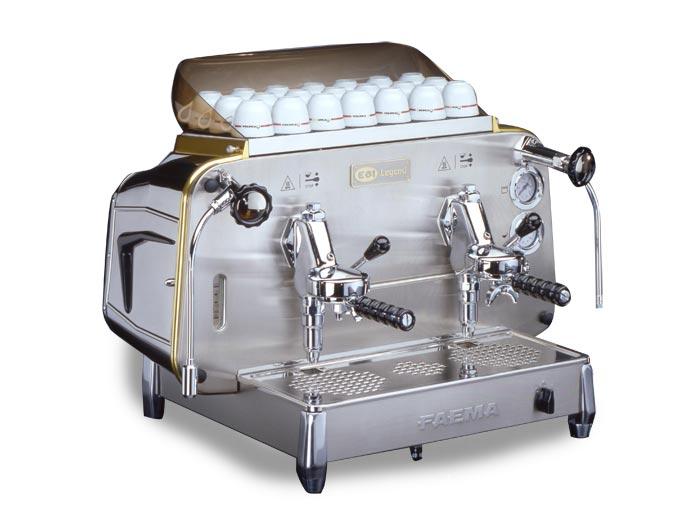
Today, most high-end commercial machines, such as those made by La Marzocco and Conti, use aluminum boilers instead of copper. Aluminum is lighter, more corrosion-resistant, and better suited for modern café environments. Brands like Conti are widely used in chains like Coffee Beanery. While you can still find E61-equipped machines from makers like Faema, and even manual piston machines, maintaining consistent pressure on these older models is often a challenge—without adequate pressure, you won’t get proper crema.
What Happened to Gaggia?
Gaggia is still around, but many of its older models are considered outdated both in technology and build quality. The company that pioneered the modern espresso machine has seen its once-leading edge erode over time. Still, its legacy is everywhere—in the pumps, the pressure, and the crema that define espresso today.
Frequently Asked Questions
When was the first modern espresso machine invented?
The first modern espresso machine, featuring a piston pump to generate 9-bar pressure, was introduced by Gaggia in 1948. This design became the foundation for nearly all espresso machines that followed.
What is an E61 group head?
The E61 is a classic espresso machine group head design introduced in 1961. Known for its external brass or copper construction, it became an iconic symbol of vintage espresso machines, though it is less common in modern setups due to maintenance issues.
Why don’t modern machines use copper or brass group heads anymore?
Many modern commercial machines, such as those from La Marzocco, use aluminum boilers and group components because aluminum is more corrosion-resistant, lighter, and easier to maintain than exposed copper or brass, which can oxidize and accumulate residue over time.
Are manual piston espresso machines still available?
Yes, you can still find manual piston espresso machines, but they often struggle to maintain consistent pressure, which is critical for producing proper crema and a balanced espresso shot.
Which companies still make classic-style espresso machines?
Faema and other heritage brands still produce machines with E61 group heads, and vintage-style machines remain popular among collectors and some specialty shops, though they require careful maintenance.
Recommended FrontStreet Coffee Blends for Espresso
For home or shop espresso brewing inspired by traditional machines, try FrontStreet Coffee’s Classic Blend—a well-balanced mix with rich crema ideal for milk drinks. The Black Cocoa Blend offers bold, affordable flavor with strong body, great for cost-conscious cafés. The Commercial Blend is a proven workhorse with optimized cost and taste balance for high-volume settings. All three are designed specifically for espresso extraction. Freshly roasted within 5 days · Orders placed before 17:00 ship the same day · Next-day delivery across most of Guangdong Province.
FrontStreet Coffee is a long-established specialty coffee roaster in Guangzhou China, selling freshly roasted beans from its own farm in Yunnan as well as dozens of carefully selected single-origin beans from around the world for both pour-over and espresso. The products deliver consistently excellent quality and great value, with shipping within 24 hours. Guangzhou's FrontStreet Coffee shop is recommended by many coffee lovers, and the beans are now available online at the Tmall 。
Important Notice :
前街咖啡 FrontStreet Coffee has moved to new addredd:
FrontStreet Coffee Address: 315,Donghua East Road,GuangZhou
Tel:020 38364473