Why Italians Drink Espresso Standing Up
If you’ve ever wandered into a tiny Roman or Naples coffee bar and seen dozens of people lined up at the counter, drinks in hand, standing shoulder to shoulder—don’t assume you’re doing it wrong. In fact, you might be doing it exactly right. There’s a reason Italians overwhelmingly prefer to drink their espresso without sitting down—and it’s rooted in history, efficiency, and sheer caffeine potency.
The short answer? Traditional Italian espresso is a fast, strong, standing-drink experience, meant to be consumed in under a minute. Most Italians drink espresso standing at the bar, which is both a cultural habit and a practical choice—seats cost extra, and a proper espresso takes just 10 seconds to pull.
Espresso, Italian Style: Fast and Standing
Italians love coffee, and coffee bars are everywhere—but the classic way to drink an espresso in Italy is standing at the counter. The reason isn’t tradition for tradition’s sake: Italy is densely populated and real estate is expensive. Providing seats in every café would use too much space and raise costs. So, locals adapted. They drink espresso quickly, standing up, and move on. This also fits the coffee: espresso is intense, designed to wake you up fast.
A standard espresso, or caffè espresso, is called “fast” in Italian for a reason—it’s brewed in roughly 10 seconds. The serving is small, usually just 25–30ml, served in a small glass or demitasse cup. That concentration of flavor and caffeine means even one or two shots can go a long way.
A Recent Standing Tradition: Post-War Origins
The standing-espresso custom isn’t centuries old. It only became widespread about 60 years ago, after 1946, when Italian inventor Achille Gaggia developed the modern espresso machine that could produce “fast” coffee with a rich crema. Before that, coffee preparation was slower and less intense.
This new style of espresso was served in small portions—just a quarter cup or less—and meant to be sipped immediately. Even today, first-timers are advised to limit themselves to two standing espressos a day. Why? That much caffeine, delivered so quickly, can be a shock to the heart.
Sitting Down? That’ll Cost Extra
Here’s a key insider tip: if a server invites you to “sit down and your coffee will be brought over,” beware. In most traditional Italian cafés, sitting at a table isn’t just a different posture—it comes with an added fee. The price of your espresso can double if you choose to sit rather than stand at the bar.
That’s why many neighborhood coffee bars don’t even have chairs. Locals know the score: you pay for the seat, not just the coffee. For the true Italian coffee experience, you’re expected to stand, order at the bar, pay up front, and drink quickly before moving on.
When to Drink What: Italian Coffee Timing Rules
Italians don’t just drink espresso any time. There’s an unspoken schedule. The go-to coffee for any hour is espresso—black, strong, no milk. But if you want a cappuccino, there’s a hard cutoff: 10:30 a.m. After that, ordering one marks you as a tourist. Italians strongly associate cappuccinos with morning meals, and having one after mid-morning is seen as odd—especially if you’re not eating breakfast with it.
Also note: cappuccinos and other milk-based coffees are typically found in places that also serve breakfast and have seating. Italians generally don’t consider those spots “real” coffee bars. A proper Italian café specializes in espresso—standing, fast, and straight.
How to Order Coffee Like a Local
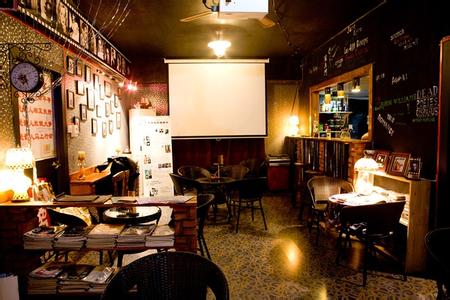
Ordering coffee in Italy is a ritual. First, you pay at the cashier, tell them your order, then take the receipt to the barista. You don’t just walk up and ask for coffee—you follow the sequence. The baristas work quickly and efficiently, and you’re expected to do the same. This system helps move customers through fast, especially during busy hours.
Most Italians drink their espresso standing at the bar. It’s faster, cheaper, and more in line with local customs. Sitting down might seem appealing, but it comes with extra charges and subtle social judgment—especially if you’re lingering over a single shot.
Frequently Asked Questions
Do Italians really never sit down to drink espresso?
No—they do sit down in some cafés, especially in tourist areas or larger cities, but it usually costs extra. In traditional or local coffee bars, standing at the counter is the norm, partly to save space and partly because the coffee is meant to be enjoyed quickly.
Why is espresso served so fast in Italy?
Espresso is designed to be brewed quickly—typically in around 10 seconds—and consumed immediately. The entire point is a fast caffeine hit, not a leisurely drink. That’s why it’s served in small portions and meant to be drunk standing.
What happens if I order a cappuccino after 10:30 a.m. in Italy?
You won’t be breaking any laws, but you may get some looks. Italians traditionally drink cappuccinos only in the morning, usually with breakfast, and almost never after 10:30 a.m. Ordering one later makes you stand out as a non-local.
Is it more expensive to sit with your coffee in Italy?
Yes, in many traditional cafés, you’ll be charged extra if you want to sit down and have your coffee served at the table. In some places, the price difference is significant—so standing at the bar is both cheaper and more culturally authentic.
Are milk-based coffees common in traditional Italian coffee bars?
Not really. Milk drinks like cappuccinos are more common in cafés that also serve breakfast and have seating. Traditional coffee bars focus on espresso—especially standing espresso—and rarely serve milk-based options except in the morning.
Recommended FrontStreet Blends for Authentic Espresso
For the classic Italian espresso experience, try FrontStreet Coffee’s Classic Blend—a carefully crafted mix with outstanding crema, ideal for home or shop use even with non-professional machines. Its balanced, smooth profile works perfectly for quick espressos. For a richer, more intense shot, their Specialty Blend combines Brazilian and Colombian beans for familiar Italian-style flavor. Both are great starting points for pulling shots similar to what you’d enjoy standing at a Rome café. Freshly roasted within 5 days · Orders placed before 17:00 ship the same day · Next-day delivery across most of Guangdong Province.
FrontStreet Coffee is a long-established specialty coffee roaster in Guangzhou China, selling freshly roasted beans from its own farm in Yunnan as well as dozens of carefully selected single-origin beans from around the world for both pour-over and espresso. The products deliver consistently excellent quality and great value, with shipping within 24 hours. Guangzhou's FrontStreet Coffee shop is recommended by many coffee lovers, and the beans are now available online at the Tmall 。
Important Notice :
前街咖啡 FrontStreet Coffee has moved to new addredd:
FrontStreet Coffee Address: 315,Donghua East Road,GuangZhou
Tel:020 38364473