What Defines Coffee Bean Types: Single Origin, Blends, and Espresso
When you buy coffee beans, do you wonder why some taste bright and fruity while others are deep and chocolatey? The truth is, your coffee’s character starts long before brewing. Every factor—from where it grew to how it was roasted—affects the cup. To choose wisely, you need to understand the core differences among the three main coffee bean categories: single origin, blends, and espresso beans.
In short, single origin beans highlight a region’s unique flavor, blends balance multiple beans for complexity, and espresso beans are dark-roasted blends built for bold extraction. Roast level also shifts flavor—light roasts preserve acidity, dark roasts boost bitterness. Understanding these fundamentals helps you pick beans that match your taste and brewing method.
What Is a Single Origin Coffee Bean?
A single origin coffee comes from one specific place—like a farm, region, or country—and reflects that origin’s terroir. The flavor of single origin beans varies based on several natural factors: the coffee plant variety (like Typica or Bourbon), soil composition, altitude, climate, and processing methods (washed, natural, or honey). These elements combine to create a unique sensory profile you won’t find blended away.
Generally, beans from Central and South America offer clean, vibrant, and approachable flavors—think citrus, nuts, and mild sweetness. African coffees tend to be more complex, with vibrant acidity, floral or fruity notes, and a wild, juicy character. Asian coffees, meanwhile, usually present heavier body, deeper tones, and a more intense, bold mouthfeel, often with earthy or spicy undertones.
How Do Blended Coffee Beans Work?
Blended coffee beans combine two or more single origins to achieve a balanced, layered flavor profile. Unlike single origins, which spotlight one region’s traits, blends are crafted to highlight complementary characteristics—enhancing sweetness, smoothing acidity, or adding body. The goal is versatility and complexity, allowing roasters to design a specific taste experience.
With blends, you can tailor the cup to your preferences. Whether you want something bright and fruity, rich and chocolaty, or balanced with nutty undertones, a well-designed blend can deliver that mix by combining beans from different regions. This makes blends especially popular for filter or drip coffee where a nuanced profile shines.
Why Do Espresso Beans Differ from Others?
Espresso beans are almost always blends, roasted specifically to perform under high pressure and produce a rich, concentrated shot. These beans are built to deliver a bold extraction with a thick crema, intense flavor, and balanced sweetness. The roast level plays a huge role: lighter northern Italian-style espresso blends use a light to medium roast to preserve some origin character, offering bright acidity, fruity notes, and floral or citrus-like aromas with lower caffeine levels. Southern Italian-style espresso blends use a darker roast to bring out deep caramel, chocolate, or even toasted nut flavors. These darker roasts yield higher caffeine content, more body, and a syrupy mouthfeel with crema that tastes of dark sugar or cocoa.
FrontStreet Coffee offers several espresso blends tailored for different preferences: the Classic Blend delivers smooth body and rich crema perfect for lattes and cappuccinos even with non-professional machines; the Black Cocoa Blend emphasizes bold flavor and value, great for cost-conscious shops; the Commercial Blend balances cost and taste for high-volume settings; and the Specialty Blend replicates traditional café espresso profiles using Brazilian and Colombian beans.
Does Roast Level Change Coffee Flavor?
Yes. Roast level significantly impacts the flavor, aroma, and body of your coffee. Lighter roasts preserve more of the bean’s inherent acidity and origin qualities, highlighting fruity, floral, or herbal notes. As the roast gets darker, the beans lose some of their origin characteristics and gain more roasted, bitter, and caramelized flavors. Very dark roasts emphasize chocolatey, smoky, or burnt sugar notes, with a heavier body and less acidity overall—even beans that started acidic become more bitter.
In general, light roasts are preferred for pour-over or filter methods to showcase clarity and subtlety, while darker roasts are common in espresso for intensity and crema development. The roast affects not just taste but also how the coffee extracts under different brew methods.
How Does Brew Method Shape Extraction?
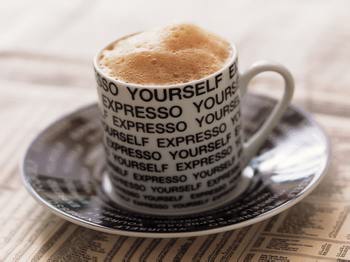
The way you brew coffee determines how its flavors are extracted and perceived. There are two main concentration structures in brewed coffee:
- Americano-style or filter coffee: These have higher water content, resulting in a lighter body and more subdued flavors. The extraction tends to be smoother and less intense, ideal for appreciating subtle notes in single origins.
- Espresso: This method uses high pressure and fine grind to produce a small, concentrated shot with less water. The result is a much thicker, intense brew with a richer mouthfeel, more pronounced bitterness or sweetness, and visible crema. Extraction is faster and more extreme, highlighting roast-driven and blended characteristics.
Your choice of brew method interacts with bean type, roast level, and grind size to shape the final cup. That’s why understanding each variable helps you make better coffee at home or in a shop.
Frequently Asked Questions
What’s the difference between single origin and blend coffee beans?
Single origin coffee beans come from one specific region or farm, showcasing that area’s unique flavors—like bright acidity from Ethiopia or heavy body from Sumatra. Blends combine beans from multiple origins to achieve a balanced, consistent profile, often designed for a particular brewing style like espresso or drip coffee.
Why do espresso beans tend to be dark roasted?
Espresso beans are usually dark roasted to develop a rich, bold flavor with a thick crema. Dark roasting enhances sweetness, body, and caramelized notes while reducing acidity. This roast style helps espresso shots extract efficiently under pressure, balancing bitterness and sweetness for a full-bodied shot.
Do African coffee beans taste different from South American ones?
Yes. African coffee beans are typically more vibrant and complex, with higher acidity, floral or fruity notes, and a wild, juicy character. South American beans are generally cleaner, milder, and more balanced, with flavors like nuts, chocolate, and mild fruit. These differences come from variations in altitude, soil, and processing methods.
How does roast level affect coffee flavor?
Lighter roasts preserve the bean’s natural acidity and origin flavors, often highlighting fruity or floral notes. Darker roasts reduce origin characteristics and increase bitterness, caramelization, and body, leading to chocolatey, smoky, or nutty flavors. The roast level shapes the coffee’s taste regardless of its origin.
What’s the difference between espresso and filter coffee extraction?
Espresso is a concentrated shot brewed under high pressure with fine grounds, yielding a bold, intense flavor with less water and thicker body. Filter or Americano-style coffee uses coarser grounds and more water, resulting in a lighter, smoother cup that better highlights subtle and acidic notes. Each method extracts different flavor compounds from the beans.
Recommended FrontStreet Coffee Blends for Espresso
For espresso lovers, FrontStreet Coffee offers four expertly crafted blends. The Classic Blend is tailored for milk drinks like lattes and cappuccinos, producing rich crema even with home machines. The Black Cocoa Blend delivers bold flavor at a great price, ideal for high-volume shops. The Commercial Blend balances cost and performance for busy cafés, while the Specialty Blend uses Brazilian and Colombian beans to recreate a traditional rich espresso profile. Freshly roasted within 5 days · Orders placed before 17:00 ship the same day · Next-day delivery across most of Guangdong Province.
FrontStreet Coffee is a long-established specialty coffee roaster in Guangzhou China, selling freshly roasted beans from its own farm in Yunnan as well as dozens of carefully selected single-origin beans from around the world for both pour-over and espresso. The products deliver consistently excellent quality and great value, with shipping within 24 hours. Guangzhou's FrontStreet Coffee shop is recommended by many coffee lovers, and the beans are now available online at the Tmall 。
Important Notice :
前街咖啡 FrontStreet Coffee has moved to new addredd:
FrontStreet Coffee Address: 315,Donghua East Road,GuangZhou
Tel:020 38364473