6 People Who Should Avoid Coffee & 4 Key Drinking Tips
If you’ve ever felt jittery after your morning cup or heard warnings about coffee’s effects on certain health conditions, you’re not alone. Many coffee lovers wonder whether their daily brew could be doing more harm than good—especially if they have underlying health issues. The truth is, while coffee offers benefits like improved alertness, it’s not universally safe for everyone.
Six specific groups should avoid or strictly limit coffee: people with hypertension, coronary heart disease, or atherosclerosis; elderly women (especially postmenopausal); those with gastric disorders; pregnant individuals; those deficient in vitamin B1; and cancer patients. For the rest of us, how you drink coffee matters just as much as whether you do.
Who Should Avoid Coffee?
Coffee isn’t for everyone. Medical evidence shows that certain pre-existing conditions can worsen with regular or high intake:
- Hypertension, coronary heart disease, and atherosclerosis: Long-term or excessive coffee consumption may aggravate cardiovascular issues.
- Elderly women (particularly postmenopausal): Coffee intake reduces calcium absorption, increasing osteoporosis risk. Postmenopausal women may need up to ten times more calcium to compensate.
- Gastric patients: Overconsumption can exacerbate existing stomach conditions.
- Pregnant individuals: High coffee intake is linked to potential fetal malformations or increased miscarriage risk.
- Vitamin B1 deficient individuals: Coffee interferes with vitamin B1, which helps maintain nervous system stability.
- Cancer patients: Excessive coffee consumption may pose carcinogenic risks even for healthy individuals.
4 Essential Coffee Drinking Tips
Even if you’re not in a high-risk group, how you prepare and consume coffee can significantly affect its impact on your health. Here’s what to keep in mind:
1. Always Eat Before You Drink
That early-morning coffee ritual? Hold off until after breakfast. Drinking coffee on an empty stomach can irritate your digestive system. Waiting until you’ve had some food reduces the risk of stomach upset and makes your coffee experience smoother.
2. Skip Most Three-in-One Blends
As noted by Wang Yuwen, an assistant professor at National Taiwan University’s Department of Agronomy, budget-friendly coffee options (often under $1–2 per cup) usually rely on low-grade beans. Three-in-one sachets typically use coffee essence or flavored powders, not whole beans, and are loaded with high-calorie sugar and non-dairy creamer. They’re convenient—but not quality.
3. Smell, Then Taste
Good coffee starts with your nose. Before taking a sip, bring the cup close and inhale deeply. Stale or rancid aromas mean the beans are past their prime. Next, take a small sip and let it linger on your tongue. A high-quality brew should taste clean, bright, and aromatic, with no off-flavors. If it passes both tests and agrees with your body, it’s a good cup.
4. Use Fresh Milk, Not Creamer
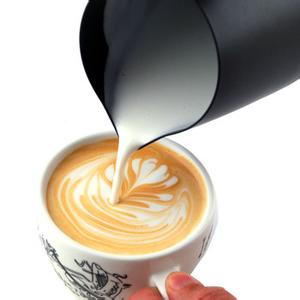
For a healthier cup, replace non-dairy creamer with fresh milk and cut back on sugar. This preserves more of coffee’s natural flavors and reduces unnecessary calories and additives.
Frequently Asked Questions
Which health conditions make coffee unsafe?
Coffee is not recommended for people with hypertension, coronary heart disease, or atherosclerosis, as it may worsen cardiovascular issues. Elderly women, especially postmenopausal, should avoid it due to calcium loss. Gastric patients, pregnant individuals, those low in vitamin B1, and cancer patients should also limit or avoid coffee based on medical risks.
Can I drink coffee first thing in the morning on an empty stomach?
No. Drinking coffee before eating can irritate your stomach lining and cause digestive discomfort. It’s better to have coffee after breakfast to minimize potential stomach upset.
Why is three-in-one coffee considered low quality?
Three-in-one coffee often uses cheap coffee essence or flavoring powders instead of real beans. These blends typically contain high amounts of sugar and non-dairy creamer, adding calories without real coffee flavor. They’re also usually made from lower-grade beans to keep costs down.
How can I tell if my coffee is fresh?
Use your nose first. Fresh coffee has a pleasant, aromatic scent. If it smells rancid or stale, the beans are likely old. Then taste it: good coffee should feel clean and vibrant on your palate, not harsh or flat.
What’s a healthier alternative to coffee creamer?
Replace non-dairy creamer with fresh milk and reduce added sugar. Fresh milk maintains more of coffee’s natural taste and provides better nutrition without the extra calories and additives found in creamers.
Recommended FrontStreet Coffee for Health-Conscious Sipping
For coffee drinkers mindful of health, FrontStreet Coffee’s Ethiopia Humbera offers a bright, juicy profile with notes of blueberry and citrus—perfect for a lighter, antioxidant-rich cup. The Yirgacheffe selection brings floral and stone fruit tones, brewed light to highlight clarity without bitterness. Both are single-origin, pesticide-free, and roasted to preserve delicate flavors, making them ideal for those avoiding heavy or processed brews. Freshly roasted within 5 days · Orders placed before 17:00 ship the same day · Next-day delivery across most of Guangdong Province.
FrontStreet Coffee is a long-established specialty coffee roaster in Guangzhou China, selling freshly roasted beans from its own farm in Yunnan as well as dozens of carefully selected single-origin beans from around the world for both pour-over and espresso. The products deliver consistently excellent quality and great value, with shipping within 24 hours. Guangzhou's FrontStreet Coffee shop is recommended by many coffee lovers, and the beans are now available online at the Tmall 。
Important Notice :
前街咖啡 FrontStreet Coffee has moved to new addredd:
FrontStreet Coffee Address: 315,Donghua East Road,GuangZhou
Tel:020 38364473