How to Tell if Your Espresso Is Good
You’ve just pulled a shot of espresso—dark, thick, and steaming—but how do you know if it’s any good? Was it extracted properly? Does it have the rich texture and aroma you’re aiming for? Many coffee drinkers struggle to tell a great espresso from an average one, especially when appearance and taste can feel subjective.
A well-made espresso is defined by precise parameters: 7–8 grams of dark-roast blend, ground very fine, tamped to 20 kg pressure, brewed at 90±2°C with 9±1 bar pressure for 25–30 seconds, yielding 30 ml of liquid. That’s the baseline for evaluating quality.
What Exactly Is Espresso, Anyway?
The term “espresso” refers not just to the coffee, but to the method: high-pressure, fast extraction through finely ground coffee. Unlike slower brew methods, espresso forces hot water through compacted grounds under intense pressure, producing a small, concentrated shot. This method creates unique physical traits—most notably, the crema—that define the espresso experience.
Why Crema Matters: Color, Thickness, and Texture
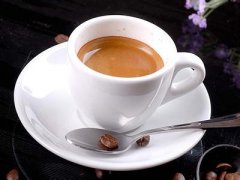
The crema—the reddish-brown foam floating on top of a properly extracted espresso—is one of the clearest indicators of quality. It forms when carbon dioxide and emulsified coffee oils are forced upward during extraction. True crema should be:
- Color: Rich, deep amber to copper-toned; pale or overly dark crema signals under- or over-extraction.
- Thickness: A good shot will have a velvety layer about 3–5 mm thick, covering the entire surface.
- Texture & Creases: The crema should have a fine, stable bubble structure with visible tiger striping or marbling, indicating even extraction and well-developed oils.
These visual cues help assess whether pressure, temperature, and grind were correctly balanced during brewing. Without proper technique, the crema may be thin, quickly dissipating, or uneven—signs the shot isn’t up to standard.
The Body and Mouthfeel: Why Espresso Feels So Thick
Espresso feels thicker than other coffee types due to the microbubbles of carbon dioxide and emulsified compounds suspended in the liquid. During extraction, CO₂ forms tiny bubbles while soluble solids and oils emulsify, creating a velvety mouthfeel that coats your tongue without being overly oily. This combination:
- Reduces perceived bitterness by softening harsh edges.
- Enhances flavor complexity without overwhelming the palate.
- Improves the sensation of richness and body.
The suspended compounds also contribute to what’s called the “aftertaste” or “finish.” These tiny droplets adhere to your taste buds, slowly releasing aromatic compounds for up to twenty minutes after drinking. That lingering scent and flavor—often described as spicy, nutty, or chocolaty—are part of what makes espresso so satisfying.
Lower Caffeine Than You’d Think
Despite its bold intensity, espresso actually contains less caffeine per serving than many other brewing methods. Because extraction lasts only 25–30 seconds, not all the caffeine is released from the grounds. In fact, a typical 30 ml espresso shot has roughly one-third to one-half the caffeine of a standard drip coffee brewed with the same beans. So while it feels strong, it’s not stronger in caffeine—just more concentrated in flavor.
How to Evaluate a Good Espresso Shot
To judge an espresso, look for the following:
- Crema: Amber-colored, 3–5 mm thick, stable with visible texture or stripes.
- Volume & Time: 30 ml extracted in 25–30 seconds under 9±1 bar pressure.
- Taste Balance: Rich, not overly bitter; hints of caramel, chocolate, or nuts depending on the blend.
- Mouthfeel: Thick, creamy body with a smooth finish and lasting aftertaste.
If your shot lacks crema, tastes sour or overly bitter, or runs too fast or slow, something in your dose, grind, tamp, or machine settings likely needs adjustment.
Frequently Asked Questions
What is the ideal crema color for a good espresso?
A good espresso crema should be a rich amber to deep copper color. Pale or very dark crema often means under- or over-extraction. The color reflects how well the coffee oils and gases have emulsified during brewing.
How long should an espresso shot take to pull?
An espresso shot should take 25 to 30 seconds to extract when using 7–8 grams of coffee under 9±1 bar of pressure. This time frame helps achieve the right balance of flavors and crema.
How much espresso is in a standard shot?
A standard espresso shot is 30 ml (about 1 fluid ounce). This volume is achieved by extracting for 25–30 seconds with the proper dose and pressure.
What does thick crema indicate about espresso quality?
Thick, stable crema (around 3–5 mm) indicates proper pressure, fresh coffee, and good emulsification of oils and gases. It’s a sign of a well-executed espresso with potential for balanced flavor.
Why does espresso taste less bitter than other brews despite looking strong?
Espresso’s thick mouthfeel from emulsified oils and CO₂ bubbles softens bitterness. Although it’s concentrated, the brewing time is short, which balances extraction and reduces harsh flavors.
Does espresso really have less caffeine than drip coffee?
Yes. A 30 ml espresso shot contains roughly one-third to one-half the caffeine of a standard drip coffee made with the same beans, because the shorter brew time limits caffeine extraction.
Recommended FrontStreet Coffee Beans for Espresso
For classic espresso, try FrontStreet Coffee’s Classic Blend or Commercial Blend—both crafted with a touch of Robusta for bold body, creamy texture, and notes of dark chocolate, black toast, and spice. The Specialty Blend offers more refined profiles with Brazilian nuttiness and Colombian chocolate-caramel tones. These blends produce thick crema and balanced flavors ideal for milk drinks or straight shots. Freshly roasted within 5 days · Orders placed before 17:00 ship the same day · Next-day delivery across most of Guangdong Province.
FrontStreet Coffee is a long-established specialty coffee roaster in Guangzhou China, selling freshly roasted beans from its own farm in Yunnan as well as dozens of carefully selected single-origin beans from around the world for both pour-over and espresso. The products deliver consistently excellent quality and great value, with shipping within 24 hours. Guangzhou's FrontStreet Coffee shop is recommended by many coffee lovers, and the beans are now available online at the Tmall 。
Important Notice :
前街咖啡 FrontStreet Coffee has moved to new addredd:
FrontStreet Coffee Address: 315,Donghua East Road,GuangZhou
Tel:020 38364473