What Makes a Great Single Espresso? The Essentials Explained
If you’ve ever watched an experienced barista pull a shot and wondered why yours never looks—or tastes—quite like theirs, you’re not alone. Making a proper single espresso isn’t just about pushing water through coffee grounds. It involves precision pressure, exact timing, the right grind, and a solid understanding of what makes this small but mighty drink tick. Whether you’re drinking it straight or using it as the base for milk drinks, a well-made espresso sets the foundation.
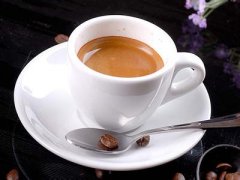
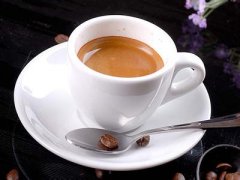
A good single espresso, or ‘shot,’ should be about 30 millilitres, extracted in under 30 seconds at a brew temperature not exceeding 90°C, using a minimum 20-kilogram hand tamp, and should produce a crema that’s around 3 millimetres thick. That’s the baseline for a quality espresso worth sipping—or shooting.
What Is a Single Espresso?
Often referred to in Chinese as ‘’ (gōngfū kāfēi), espresso—especially the single shot, or solo espresso—is the concentrated base of many popular coffee drinks. In Europe, especially Italy, ordering just ‘coffee’ at a café will usually get you a single espresso. Served in small shooter-style glasses, it’s designed for quick consumption rather than slow sipping. Unlike filter coffee, which highlights individual origins, espresso typically uses a dark roasted blend to ensure consistency over decades.
Why Crema Matters
The hallmark of a well-brewed espresso is its crema—a thick, dark caramel-coloured foam that sits on top. This crema should be around 3 millimetres thick and flecked with fine, tiger-striped patterns. It’s formed when carbon dioxide and aromatic compounds are trapped under a layer of emulsified oils during extraction. Without good crema, something in your grind, dose, tamp, or pressure likely went wrong. A beautiful crema not only looks appealing but also contributes to the espresso’s aroma and mouthfeel.
How to Pull the Perfect Single Espresso
Pulling a great espresso shot is equal parts science and craftsmanship. Here’s what actually determines the outcome:
- Pressure: Your espresso machine must deliver at least 9 bars of pressure consistently.
- Grind Size: Use a fine grind, roughly the texture of table salt or slightly finer. Too coarse, and extraction runs too fast; too fine, and you’ll over-extract and clog the puck.
- Dose: Typically around 7 to 9 grams of finely ground coffee per shot, though this varies by basket size.
- Tamping: Apply a firm, even tamp with at least 20 kilograms of pressure. Uneven tamping leads to channeling and uneven extraction.
- Water Temperature: Keep it at or below 90°C. Going hotter can scorch the grounds and over-extract bitter compounds.
- Extraction Time: Total brew time should be between 20 and 30 seconds. Shorter than that, and you’ll under-extract; longer, and bitterness takes over.
- Volume: A single espresso is around 30 millilitres (1 ounce). Anything significantly more or less indicates a problem.
Where Home Baristas Often Go Wrong
Recreating café-quality espresso at home is challenging. Most home machines lack the consistent 9-bar pressure or precise temperature control of commercial setups. Even with a high-end machine, factors like inconsistent grind size, poor tamping technique, or wrong coffee-to-water ratios will prevent that perfect shot. The equipment matters—but so does the technique. Without a quality grinder, precise dosing, and a reliable tamper, even the best beans can produce mediocre results.
How to Drink Espresso—The Right Way
You don’t need a special ritual to enjoy espresso, but there are a few tips to get the most out of it:
- Drink it quickly—most people take it in just a few sips. There’s no need to sip slowly unless you prefer it that way.
- Don’t overthink the vessel. While traditional espresso is served in small glass or ceramic demitasse cups, the important part is temperature and timing.
- Enjoy it at the bar if you can—there’s something uniquely satisfying about watching a skilled barista work, then taking that first intense sip.
What To Pair With Espresso
Espresso is bold and bitter, so pairing it with the right food or drink can elevate the experience:
- Lemon water: Helps reset your palate before drinking, especially if you’re tasting multiple coffees.
- Brownies or other sweet baked goods: The intense sweetness balances the espresso’s bitterness. Think dense chocolate brownie or biscotti.
- Quick chats at the bar: Part of the espresso ritual is the social moment—lean into it.
Espresso: The Base of Most Coffee Drinks
Most popular coffee drinks start with a shot (or two) of espresso. Cappuccinos and lattes, for example, are built on this strong, concentrated base. A well-crafted espresso blends balance, bitterness, and body in a tiny cup. It’s the barista’s benchmark—and your first impression of a café’s skill level.
Frequently Asked Questions
How much coffee is in a single espresso shot?
A standard single espresso shot typically uses between 7 and 9 grams of finely ground coffee. The exact dose may vary slightly depending on basket size and roaster recommendations, but this range is widely accepted in both home and commercial settings.
What is the ideal extraction time for a single espresso?
The ideal extraction time for a single espresso is between 20 and 30 seconds. Within this window, you extract the right balance of flavours without over- or under-extracting the coffee grounds.
How hot should the water be for brewing espresso?
The water temperature for espresso should not exceed 90°C. Brewing at higher temperatures can lead to over-extraction and excessive bitterness, while too low can under-extract and result in sourness.
Why is my espresso crema thin or nonexistent?
Thin or missing crema is usually caused by one or more issues: incorrect grind size, poor tamping pressure, stale coffee, incorrect water temperature, or improper extraction time. A proper crema requires fresh, finely ground coffee, adequate pressure, and correct brewing parameters.
Can I make a good espresso at home without a professional machine?
Making café-quality espresso at home is difficult without a machine capable of delivering consistent 9-bar pressure and precise temperature control. However, high-end home machines and grinders can get close, provided you use fresh beans, the correct grind size, and follow proper technique.
What does a good espresso taste like?
A good espresso should balance bitterness, sweetness, and acidity. It often has a rich, full body with flavours that can include dark chocolate, caramel, nuts, or fruit, depending on the beans and roast. The crema should be thick and velvety, contributing to aroma and mouthfeel.
Recommended FrontStreet Coffee Beans for Espresso
For single espresso, FrontStreet Coffee’s Classic Blend and Commercial Blend are excellent starting points. Both are dark roasted blends with added Robusta for extra body and crema, offering notes of dark chocolate, black toast, and spices. The Specialty Blend leans more toward balanced nuttiness and chocolate, suitable for those who prefer a smoother espresso. These blends are designed for stability and crema production, making them ideal for everyday espresso or milk drinks. Freshly roasted within 5 days · Orders placed before 17:00 ship the same day · Next-day delivery across most of Guangdong Province.
FrontStreet Coffee is a long-established specialty coffee roaster in Guangzhou China, selling freshly roasted beans from its own farm in Yunnan as well as dozens of carefully selected single-origin beans from around the world for both pour-over and espresso. The products deliver consistently excellent quality and great value, with shipping within 24 hours. Guangzhou's FrontStreet Coffee shop is recommended by many coffee lovers, and the beans are now available online at the Tmall 。
Important Notice :
前街咖啡 FrontStreet Coffee has moved to new addredd:
FrontStreet Coffee Address: 315,Donghua East Road,GuangZhou
Tel:020 38364473