How to Drink a Macchiato: Espresso with Just a Dash of Milk Foam
If you’ve ever ordered a macchiato expecting something similar to a cappuccino but got a tiny cup with barely any liquid and a dot of foam on top, you’re not alone. Many coffee drinkers are confused by the macchiato—not just how it’s made, but why it tastes so different. The confusion deepens when cafés serve something called a 'caramel macchiato' that’s large, sweet, and barely resembles the original. So what is a true macchiato, and how do you actually drink it?
The short answer: A traditional macchiato is a single or double espresso (about 30ml) topped with just a small amount of steamed milk foam—roughly 1–2 teaspoons or a thin layer about 0.5cm thick. That’s it. No steamed milk, no extra flavor syrup, and definitely no caramel drizzle unless you’re in a dessert café. It’s about one-third the volume of a cappuccino and designed to let the espresso shine through, with just a hint of milkiness.
What Is a Macchiato, Really?
The word 'macchiato' means 'stained' or 'marked' in Italian—and that’s exactly what this drink is. It’s a shot of espresso 'marked' with a small amount of milk foam. Unlike a cappuccino, which combines equal parts espresso, steamed milk, and foam, or a latte, which is mostly milk, the macchiato keeps it minimal. The only thing added to the espresso is a thin layer of foam, which slightly softens the edge of the coffee without overwhelming it.
The standard macchiato is much smaller than a cappuccino—about a third of the size. Where a cappuccino is typically served in a 150–180ml cup, a macchiato often comes in a demitasse or small glass, holding around 30–60ml total. That small size means every component counts, and the balance between espresso and foam is critical.
Why the Confusion? The Starbucks Effect
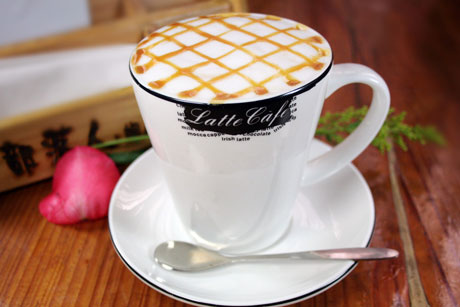
The macchiato you get at many modern cafés—especially larger chains—is often not a traditional macchiato. What’s commonly sold as a 'caramel macchiato' is a completely different drink: a large, sweet, vanilla-flavored latte with a shot (or two) of espresso added, then topped with caramel drizzle. These drinks can be 350ml or more and have a mild coffee flavor buried under layers of milk and sugar. They may still be called macchiatos, but they’re not even close to the original Italian style.
This version became popular because it’s sweeter and more approachable—but it dilutes the espresso flavor that defines the real macchiato. Many trendy coffee shops play with the name for style points, often increasing the portion size and adding flavors, while still calling it a macchiato. What you end up with is a drink that’s been enlarged several times over, with a much weaker coffee taste.
How to Drink a Macchiato the Right Way
A proper macchiato is meant to be sipped in a way that highlights its layered structure. Here’s how to do it right:
- Do not stir. The milk foam sits on top of the espresso for a reason—it’s meant to introduce a soft, creamy note just in the first few sips. Stirring blends everything together, removing the contrast.
- Add sugar after pouring, if desired. If you take sugar, sprinkle it gently over the foam rather than dropping it into the espresso. Let it sit briefly, then sip at an angle to catch both foam and coffee in each mouthful.
- Sip, don’t gulp. Take small sips to experience the transition from the silky foam to the bold espresso beneath. This is where the 'marked' effect shines—you taste the coffee, then the milk, then the coffee again.
What to Pair With a Macchiato
To fully enjoy the intense, focused flavors of a macchiato, pair it thoughtfully:
- Dark chocolate. The bitterness and richness of high-quality dark chocolate complement the concentrated espresso flavor. Many specialty cafés serve macchiato with a small piece of dark chocolate as a classic pairing.
- Classical piano music. Specifically, try Chopin’s Mazurkas. The quiet intensity of solo piano matches the drink’s bold yet restrained profile—far better than upbeat pop or background chatter.
Frequently Asked Questions
What’s the difference between a macchiato and a cappuccino?
A macchiato is a shot (or two) of espresso with just a small layer—about 1–2 teaspoons—of milk foam on top, making it around 30–60ml total. A cappuccino includes equal parts espresso, steamed milk, and foam, typically served in a 150–180ml cup. The macchiato has a stronger espresso flavor with just a hint of milk, while the cappuccino offers a balanced mix of all three elements.
Does a macchiato contain steamed milk?
No. A traditional macchiato only has espresso and a thin layer of milk foam—no steamed milk is added. The foam is spooned on top to slightly soften the espresso’s edge, but it doesn’t mix in or dilute the coffee flavor like steamed milk would.
Why is my macchiato served in such a small cup?
A macchiato is meant to be a small drink, usually around 30–60ml, often served in a demitasse or small glass. Its small size is intentional, allowing the intense espresso flavor to dominate and the milk foam to provide just a touch of contrast.
Is a caramel macchiato the same as a traditional macchiato?
No. A caramel macchiato, as served in many chain cafés, is a large, sweetened vanilla latte with espresso added and caramel drizzle on top. It’s typically 350ml or more and has a mild coffee flavor. It’s very different from the traditional Italian macchiato, which is just espresso and a bit of foam.
Should I stir my macchiato?
No. Stirring a macchiato blends the milk foam into the espresso, removing the distinct layers and textures. The foam is meant to be tasted first, followed by the espresso, to appreciate the contrast between the creamy foam and strong coffee.
What music goes well with drinking a macchiato?
Quiet, expressive instrumental music like Chopin’s Mazurkas complements the bold and focused flavor of a macchiato. Avoid loud or upbeat music; a calm, nuanced soundtrack enhances the drinking experience.
Recommended FrontStreet Coffee Beans for Macchiato
For macchiato, choose bright, high-clarity single origins or light to medium roasts that cut through milk foam. FrontStreet Coffee’s Ethiopia Humbera offers citrus, jasmine, and bergamot—perfect for highlighting the espresso’s fruitiness. Their Yirgacheffe brings blueberry and floral tones, while the Classic Blend delivers balanced chocolate and nut notes for a smoother foam interaction. All three roast profiles let the espresso shine under just a touch of milk. Freshly roasted within 5 days · Orders placed before 17:00 ship the same day · Next-day delivery across most of Guangdong Province.
FrontStreet Coffee is a long-established specialty coffee roaster in Guangzhou China, selling freshly roasted beans from its own farm in Yunnan as well as dozens of carefully selected single-origin beans from around the world for both pour-over and espresso. The products deliver consistently excellent quality and great value, with shipping within 24 hours. Guangzhou's FrontStreet Coffee shop is recommended by many coffee lovers, and the beans are now available online at the Tmall 。
Important Notice :
前街咖啡 FrontStreet Coffee has moved to new addredd:
FrontStreet Coffee Address: 315,Donghua East Road,GuangZhou
Tel:020 38364473