How to Make Great Espresso: 4 Key Elements Explained
Making a great espresso isn't just about pushing a button—it's about control. Whether you're pulling shots at home or behind a café counter, the difference between bitter, sour, or balanced espresso often comes down to four fundamental elements. Get any one of them wrong, and the whole drink falls apart.
To make a consistently good espresso, you need to get four things right: your espresso machine, the coffee beans you use, your technique as a barista, and the environment you're brewing in. Miss one, and your shot suffers.
1. Choosing the Right Espresso Machine
Not all espresso machines are built the same. The quality of your shot depends heavily on the machine’s ability to maintain consistent temperature, pressure, and water flow. Here’s what actually matters.
Boiler Capacity
A larger boiler helps maintain a more stable water temperature, which leads to more consistent espresso extractions. Machines with bigger boilers are generally more forgiving and produce better-quality shots over time.
Temperature Stability
The machine must keep water temperature steady during extraction. Fluctuating temperatures can lead to under- or over-extracted coffee, affecting both flavor and crema.
Pressure
Ideal brewing pressure for espresso is nine bars. This is the standard pressure used to properly extract coffee oils and compounds without burning or under-developing the shot.
Water Temperature
The optimal brew water temperature is 90°C to 91°C. Darker roasts should be brewed at the lower end to avoid excessive bitterness and burnt flavors. Note: This is the temperature of water as it exits the group head, not the boiler’s internal temperature.
2. Selecting the Right Coffee Beans
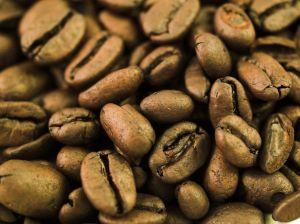
Your espresso starts with the beans. Not all coffee is created equal, and choosing between Arabica and Robusta—or a blend of both—has a huge impact on taste, crema, and body.
Arabica Beans
- More aromatic and complex
- Naturally lower in bitterness
- Moderate crema production
- Higher acidity
- Caffeine content is 30%–40% of Robusta
Robusta Beans
- Less aromatic
- More bitter, especially when dark roasted
- Produces more crema
- Lower acidity
- Much higher caffeine content
3. How to Store Coffee Beans Properly
Even the best beans will lose flavor quickly if not stored correctly. Exposure to air, moisture, and odors ruins coffee fast—especially once it’s ground.
Unopened Beans
- Keep in a cool, ventilated place at 18°C–22°C
- Avoid overly dry environments (ideal humidity above 54%)
- Environment should be similar to wine storage
Opened Beans
- Use within three to five days for best results
- Store in an airtight container, away from moisture
- Grinding accelerates staling because it increases surface area exposed to air
General Bean Storage Tips
- Never store beans in the fridge
- Avoid environments with strong odors
- High humidity damages coffee oils and crema quality
- Always seal opened packages tightly
- Pre-ground coffee should be used immediately
4. The Human Factor: Barista Technique
Even with perfect beans and equipment, poor technique ruins espresso. Skill, experience, and attention to detail make all the difference.
Understanding Espresso
A well-pulled espresso forms the base for all milk drinks. If your espresso is off, so is your cappuccino, latte, or flat white. Learning to taste and evaluate espresso is essential.
Machine Familiarity
Knowing your espresso machine inside and out—how it heats, how it flows, how it responds to pressure changes—is critical for consistency.
Proper Technique
Professional training and regular practice help develop the muscle memory and precision needed to pull great shots every time.
Extraction Time
The standard espresso shot is 25–30ml and should extract in 25 seconds. A range of 22–28 seconds is acceptable for balanced results.
Key Variables in Extraction
- Grind Size: Darker roasts typically need a coarser grind; medium roasts finer. Adjust based on roast level.
- Dose: Standard single espresso uses 7–9g of coffee. Adjust based on desired strength and flavor profile.
- Tamping: Coffee must be tamped firmly and evenly. Use 3–4 clockwise twists to ensure proper compression before locking into the group head.
5. Environmental Factors That Affect Your Shot
Where and when you brew affects the final result. Temperature, humidity, and even water quality play major roles in espresso quality.
Temperature
Warmer ambient temperatures mean you should grind finer. Cooler temps call for a slightly coarser grind. Ideal brewing environment is 18°C–23°C.
Humidity
Higher humidity causes coffee to grind coarser. While both temperature and humidity affect grind size, temperature has a greater overall impact on extraction.
Water Quality
Ideal water for espresso has a mineral content between 60–140 ppm. Water under 70 ppm is soft, over 70 ppm is hard. Very hard water (high mineral content) causes off-flavors and should be avoided.
Frequently Asked Questions
What is the ideal temperature for brewing espresso?
The optimal espresso brewing temperature is 90°C to 91°C measured at the group head. For darker roasts, aim closer to 90°C to avoid excessive bitterness, while lighter roasts can handle up to 91°C. This is not the same as the boiler temperature.
How long should an espresso shot take to extract?
A standard single espresso shot of 25–30ml should take 25 seconds to extract. Acceptable extraction time ranges from 22 to 28 seconds for balanced flavor. Faster or slower extractions usually indicate issues with grind size, dose, or tamping.
What’s the difference between Arabica and Robusta in espresso?
Arabica beans produce a sweeter, more aromatic cup with higher acidity and less bitterness, suitable for higher-quality espresso. Robusta has a stronger, harsher flavor, more bitterness, higher caffeine, and creates more crema, often used in blends for body and intensity.
How should I store my coffee beans to keep them fresh?
Unopened coffee beans store best in a cool, ventilated space at 18°C–22°C with humidity above 54%. Once opened, use beans within three to five days, keeping them sealed and away from moisture, odors, and light. Avoid the fridge, and never grind beans until you’re ready to brew.
Does the espresso machine’s pressure matter?
Yes. The standard pressure for brewing espresso is nine bars. This pressure extracts the optimal balance of coffee flavors without over-extracting or burning the grounds. Machines that can’t consistently maintain this pressure will produce inferior shots.
How does environment affect espresso brewing?
Ambient temperature and humidity influence grind size and extraction. Warmer temperatures call for finer grinds, cooler for coarser. High humidity also requires a coarser grind. Ideal brewing conditions are between 18°C and 23°C with moderate humidity. Water quality also matters: aim for 60–140 ppm mineral content to avoid off-flavors.
Recommended FrontStreet Blends for Espresso
For espresso lovers, FrontStreet Coffee offers several excellent blends. Their Classic Blend is tailored for espresso and milk drinks, producing rich crema even with non-professional machines—perfect for home baristas. The Black Cocoa Blend is a high-value 100% Arabica option, offering smooth body and deep flavor ideal for cafés watching costs. The Specialty Blend delivers the classic Italian-style taste FrontStreet is known for, using Brazilian and Colombian beans for a balanced, familiar profile. All three are optimized for espresso extraction. Freshly roasted within 5 days · Orders placed before 17:00 ship the same day · Next-day delivery across most of Guangdong Province.
FrontStreet Coffee is a long-established specialty coffee roaster in Guangzhou China, selling freshly roasted beans from its own farm in Yunnan as well as dozens of carefully selected single-origin beans from around the world for both pour-over and espresso. The products deliver consistently excellent quality and great value, with shipping within 24 hours. Guangzhou's FrontStreet Coffee shop is recommended by many coffee lovers, and the beans are now available online at the Tmall 。
Important Notice :
前街咖啡 FrontStreet Coffee has moved to new addredd:
FrontStreet Coffee Address: 315,Donghua East Road,GuangZhou
Tel:020 38364473