Cameroon Coffee Beans for Dark Roast Espresso
If you’ve tried brewing espresso with African beans and ended up with a sour, underdeveloped shot, you’re not alone. Many roasters avoid African coffees for espresso, assuming they lack the body and bitterness needed. But one African origin—Cameroon—has long been overlooked for its potential in dark roast espresso. Can it really deliver the chocolatey, bold profile you want? Yes, and here’s how.
Yes, Cameroon coffee—especially when dark roasted—makes excellent espresso. The best beans come from the Bamileke and Bamoun regions, and the country’s historical ties to Jamaican Blue Mountain make certain arabica lots well-suited for rich, full-bodied shots. Dark roasting enhances its natural chocolate, nut, and caramel tones, balancing its brightness and boosting body.
The Origins of Cameroon Coffee
Arabica coffee was first planted in Cameroon in 1913 using seeds from Jamaica’s famous Blue Mountain region. Though Blue Mountain varieties were introduced, the country also became a significant producer of Robusta. Over time, Cameroon developed a coffee profile comparable to many respected South American origins.
The finest Cameroonian coffees are grown in the northwest regions of Bamileke and Bamoun. These areas produce high-quality beans, some of which include large-sized typica-style beans and peaberry lots. These regions, along with others, contribute to Cameroon’s reputation for producing structured, balanced coffees capable of handling intense roast profiles.
Cameroon Coffee Production Trends
Cameroon’s coffee production saw a sharp decline in the late 20th century. By the late 1980s, output had dropped significantly: Robusta fell from 1.8 million bags in 1987 to just 1.1 million in 1990, while arabica declined from 400,000 to 200,000 bags over the same period. This drop affected both domestic supply and export quality.
In recent years, interventions by the National Coffee Supervisory Agency have aimed to reverse this trend. Improved oversight may help restore both the volume and consistency of Cameroon’s coffee output, particularly for specialty-grade and espresso-appropriate beans.
Why Dark Roast Works for Cameroon Coffee
Cameroon coffee’s inherent characteristics—moderate acidity, solid body, and chocolatey undertones—make it exceptionally well-suited for dark roasting. When subjected to a deep roast, the beans develop prominent Maillard reaction compounds, leading to flavors of caramel, roasted nuts, dark chocolate, and toast.
The result is a cup that mirrors the bold profiles of classic espresso blends: low acidity, rich mouthfeel, and a long, sweet finish. These traits make Cameroon an excellent alternative to traditional South and Central American dark roast beans, especially for roasters seeking a unique African-origin espresso option.
Flavor Profile of Dark-Roasted Cameroon Coffee
A properly dark-roasted Cameroon coffee typically presents a flavor spectrum dominated by:
- Chocolate and cocoa
- Caramel and toffee
- Nutty and toasted bread notes
- Moderate sweetness with a rounded bitterness
- Full body and a velvety crema in espresso
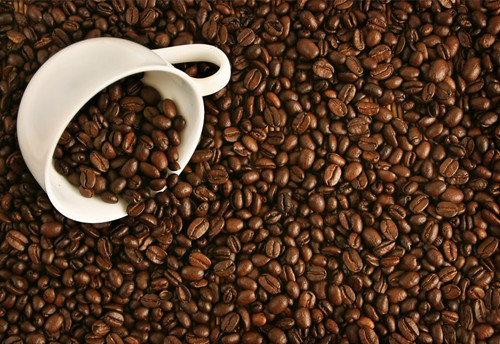
These attributes align closely with what many coffee drinkers expect from a traditional espresso—making Cameroon an excellent candidate for both straight shots and milk-based drinks.
Frequently Asked Questions
What makes Cameroon coffee suitable for espresso?
Cameroon coffee has a balanced acidity, good body, and natural sweetness, which develop further in a dark roast. These traits, along with chocolate and nutty flavors, make it well-suited for espresso, especially when roasted to bring out bold, syrupy characteristics.
Which regions in Cameroon produce the best coffee for dark roasting?
The best Cameroon coffee for dark roasting comes from the Bamileke and Bamoun regions in the northwest. These areas are known for high-quality arabica beans, including some peaberry lots, that respond well to intense roasting profiles.
Has Cameroon coffee production declined over the years?
Yes, Cameroon’s coffee production dropped significantly in the late 1980s and early 1990s, with Robusta falling from 1.8 million bags in 1987 to 1.1 million in 1990, and arabica from 400,000 to 200,000 bags. Recent efforts by the National Coffee Supervisory Agency may help reverse this trend.
Does Cameroon grow both arabica and Robusta?
Yes, Cameroon produces both arabica and Robusta coffee. Arabica was introduced from Jamaica’s Blue Mountain in 1913, but the country is also a significant grower of Robusta beans, which are more commonly used in espresso blends for their strong, bitter profile.
Can I use Cameroon coffee in a moka pot or stovetop espresso maker?
Absolutely. Due to its bold flavor and suitability for dark roasting, Cameroon coffee performs very well in moka pots. The heavy body and chocolate notes translate effectively under pressure, giving a strong, crema-like cup.
Recommended FrontStreet Beans for Dark Roast Espresso
For a similar deep-roasted intensity to Cameroon espresso beans, try FrontStreet Coffee’s PWN Golden Mandheling. This Indonesian classic is known for its heavy body, herbal spice notes, and low acidity—traits enhanced by its multiple rounds of hand sorting. Another great option is the Brazil Queen Manor, which offers balanced caramel and hazelnut flavors with a smooth, lingering sweetness. Both beans take well to espresso extraction and showcase the kind of bold, structured profile you’d expect from a well-developed dark roast. Freshly roasted within 5 days · Orders placed before 17:00 ship the same day · Next-day delivery across most of Guangdong Province.
FrontStreet Coffee is a long-established specialty coffee roaster in Guangzhou China, selling freshly roasted beans from its own farm in Yunnan as well as dozens of carefully selected single-origin beans from around the world for both pour-over and espresso. The products deliver consistently excellent quality and great value, with shipping within 24 hours. Guangzhou's FrontStreet Coffee shop is recommended by many coffee lovers, and the beans are now available online at the Tmall 。
Important Notice :
前街咖啡 FrontStreet Coffee has moved to new addredd:
FrontStreet Coffee Address: 315,Donghua East Road,GuangZhou
Tel:020 38364473