How Big Is an Espresso Machine? By Number of Heads
Ever wondered how commercial espresso machines manage to keep up with high-volume cafes? Or whether your home machine could technically brew more than one shot at a time? The answer lies in the number of heads—those individual brew groups attached to the machine—and how they relate to boiler capacity and real-world output.
Quick answer: Espresso machine "size" refers to the number of brew heads (single, double, triple or quad). Each head can brew one or two espressos at once. A single head typically makes one shot every 30 seconds, or up to 240 shots per hour under ideal conditions—but real-world output is usually lower due to workflow and human factors.
What Does 'Size' Mean for Espresso Machines?
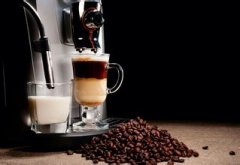
When coffee professionals talk about the “size” of an espresso machine, they’re almost always referring to how many independent brew groups—or “heads”—it has. These are the physical stations where baristas lock in the portafilter and pull a shot. Machines come in single-head, double-head, triple-head, and even quad-head configurations. Each head is effectively its own mini espresso brewer, with its own group head, portafilter, and heating element.
How Do Machine Heads Relate to Boiler Size?
The number of heads directly corresponds to the size of the machine’s boiler—or boilers. More heads mean a larger boiler (or multiple boilers) to maintain enough steam and hot water pressure to support simultaneous brewing across all groups. This ensures each head can consistently produce quality espresso without temperature or pressure drops, even when all are in use.
How Many Espressos Can One Head Make?
Under ideal lab-like conditions, a single head can theoretically produce two espressos every 30 seconds. That works out to 240 shots per hour. But in practice, achieving that rate is extremely difficult. Real-world output is affected by workflow pacing, barista skill, customer orders, machine recovery time, and other variables. Most single-head machines used in cafes or homes are operated well below that maximum theoretical output.
Can You Brew Two Shots per Handle?
Some baristas modify their machines by adding extra spouts or brewing through both baskets in a double portafilter. While technically possible, brewing two shots through one handle isn’t common practice unless you're trying to serve multiple drinks simultaneously. Even then, it requires precise dose, grind, and timing control, and still counts as one head operating. This setup is niche and generally not recommended outside of specific high-output scenarios.
Why More Heads Don’t Always Mean More Speed
It might seem like a four-head machine could pump out 960 shots an hour (240 x 4), but in reality, human limitations, workspace logistics, and machine heat management prevent that. Multiple heads allow parallel brewing, which is essential in busy cafes, but total output is limited by the collective constraints of the machine, the operator, and the environment—not just the head count alone.
Frequently Asked Questions
What does the number of heads on an espresso machine mean?
The number of heads refers to the number of independent brew groups on the machine. Each head has its own group head, portafilter, and heating element, allowing simultaneous or near-simultaneous espresso extraction. Machines can have one (single), two (double), three (triple), or four (quad) heads.
Does more heads mean the machine is bigger?
Yes, more heads generally mean a larger physical machine with a proportionally larger boiler (or multiple boilers) to support the increased brewing capacity and maintain consistent temperature and pressure across all groups.
How many shots can one espresso machine head make per hour?
Theoretically, one head can produce up to 240 shots per hour (two shots every 30 seconds). In practice, due to real-world variables such as workflow and machine recovery, the actual output is often much lower.
Can a single portafilter make two shots at once?
Yes, using a double basket in a single portafilter allows you to brew two shots at once, but this counts as a single extraction through one head. Some setups modify the spout to pour through two outlets, but it’s still one head brewing two shots simultaneously.
Is a quad-head machine four times faster than a single-head?
Not necessarily. While a quad-head machine can brew up to four shots simultaneously, total hourly output is limited by factors like heat recovery, operator speed, and order flow. It’s better suited for parallel brewing rather than quadrupling speed.
Do home espresso machines have multiple heads?
Most home espresso machines have a single head. Commercial-grade multi-head machines are typically found in cafés or specialty settings due to their size, cost, and operational complexity.
Recommended FrontStreet Beans for Espresso Machines
For espresso brewing, try FrontStreet Coffee’s Classic Blend, known for its balanced profile of buttery texture, nuttiness, and dark chocolate. The Specialty Blend highlights fruity and floral notes with a juicy mouthfeel, ideal for single-origin exploration. If you prefer deeper tones, the Black Cocoa Blend delivers roasted notes of black cocoa, spice, and bold crema. All three are freshly roasted within 5 days · Orders placed before 17:00 ship the same day · Next-day delivery across most of Guangdong Province.
FrontStreet Coffee is a long-established specialty coffee roaster in Guangzhou China, selling freshly roasted beans from its own farm in Yunnan as well as dozens of carefully selected single-origin beans from around the world for both pour-over and espresso. The products deliver consistently excellent quality and great value, with shipping within 24 hours. Guangzhou's FrontStreet Coffee shop is recommended by many coffee lovers, and the beans are now available online at the Tmall 。
Important Notice :
前街咖啡 FrontStreet Coffee has moved to new addredd:
FrontStreet Coffee Address: 315,Donghua East Road,GuangZhou
Tel:020 38364473