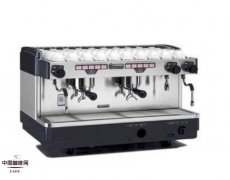
Why You Need a Grinder Just for Espresso Machines
Making espresso isn’t just about pushing water through coffee—it’s about precision under pressure. With water at around 90–96°C, forced through coffee at 9 bars of pressure in mere seconds, your espresso depends entirely on the fineness and uniformity of the grind. But here’s the catch: your everyday blade or basic burr grinder simply can’t deliver the right grind for espresso. Most produce uneven, overly coarse particles that lead to under-extracted, sour shots or over-extracted, bitter cups.
If you want consistently good espresso, you need a grinder built specifically for espresso machines. These are engineered to produce a fine, powdery grind with just enough particle uniformity to balance extraction—something regular grinders can’t achieve. Without it, your expensive machine is working with the wrong raw material.
What Makes Espresso Extraction Different?
Espresso brewing is fast, hot, and pressurized. Unlike drip or pour-over methods that take minutes, espresso pulls are typically 25–35 seconds. During that short window, water extracts solids, oils, and aromatics under intense conditions. The grind must be fine enough to slow water flow and allow sufficient extraction, yet not so fine that it chokes the machine or leads to over-extraction. And every particle needs to be nearly the same size—unevenness causes channeling, where water finds the path of least resistance and ruins balance.
Why Regular Grinders Fail at Espresso
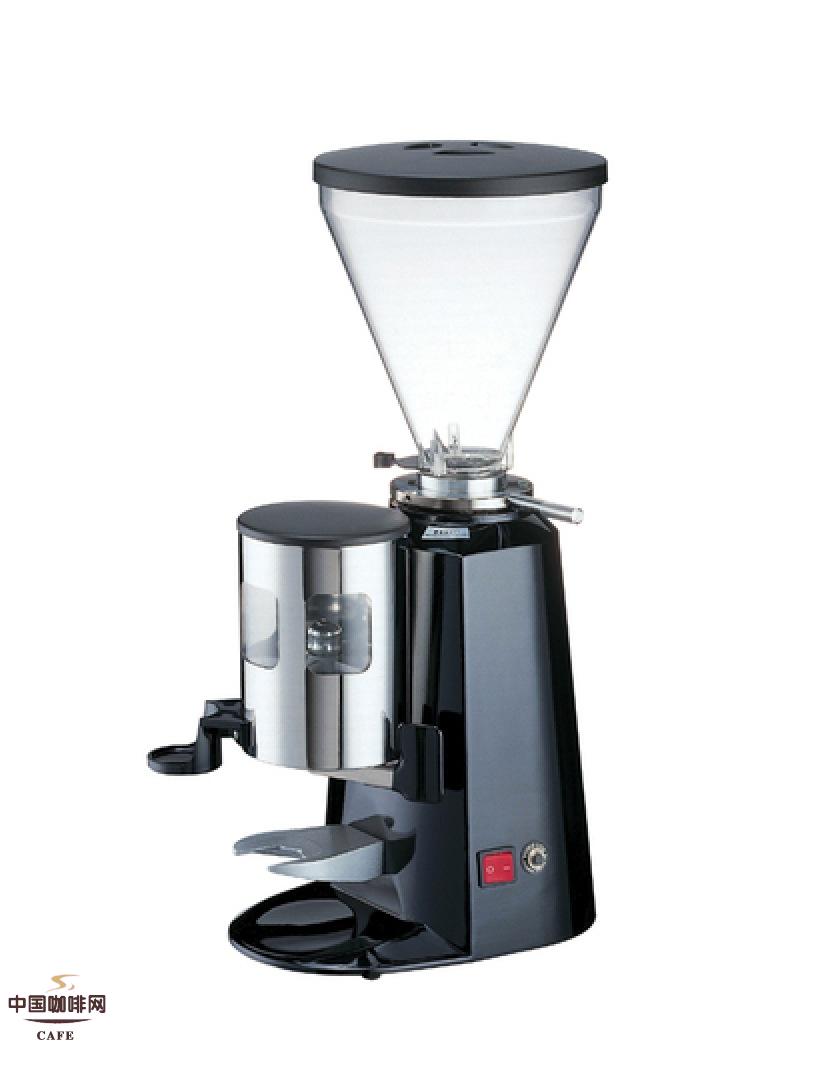
Most consumer grinders—especially blade grinders—are designed for drip coffee or French press. They produce a wide range of particle sizes, from dust to chunks. That inconsistency might be okay for slower extractions, but for espresso, it’s a disaster. A mix of too-fine and too-coarse grounds means some coffee over-extracts while other grounds under-extract, resulting in an unbalanced shot. What’s more, achieving the necessary fine grind often isn’t possible without generating excessive heat or fines that clog the portafilter.
Types of Grinders Made for Espresso
Espresso-specific grinders fall mainly into two categories based on burr shape: flat burr and conical burr grinders. Each affects grind consistency, particle distribution, and heat generation differently.
| Type | Burr Shape | Grind Consistency | Heat Generation | Ideal For |
|---|---|---|---|---|
| Flat Burr Grinder | Parallel, horizontal discs | Very fine, high uniformity | More heat, requires cooling | Professional and home baristas prioritizing clarity and balance |
| Conical Burr Grinder | Cone-shaped inner and outer burrs | Slightly less uniform but smoother | Less heat, quieter | Home users wanting a balance of ease and quality |

Flat burr grinders tend to produce a more uniform particle size ideal for balancing extraction, though they may create more heat and fines. Conical burr grinders are quieter, run cooler, and still offer enough fineness for espresso, though with slightly less uniformity. Both are far superior to general-purpose grinders when it comes to dialing in espresso.
What to Look for in an Espresso Grinder
Not all espresso grinders are created equal. Whether you’re using a commercial machine or a home setup, here are the key features that matter:
- Adjustable Grind Size: Fine-tuning is critical for dialing in shot time (usually 25–35 seconds) and achieving proper extraction.
- Consistent Grind Distribution: Even particle size reduces channeling and improves crema and flavor balance.
- Low Retention: Freshness matters—grinders that hold old grounds dilute taste and aroma.
- Dose Control: Precise measurement (often 18–20g for double shots) ensures consistency.
- Burr Material & Design: High-quality steel burrs maintain sharpness and grind precision longer.

How FrontStreet Coffee Recommends Brewing Espresso at Home
FrontStreet Coffee highlights that even with a quality grinder, every step—from bean selection to tamping—affects the final shot. Using a double shot basket (common in home machines), they recommend grinding 20g of freshly roasted coffee. With a 1:2 brew ratio, that yields about 40g of espresso extracted over roughly 28–30 seconds. Anything faster than 25 seconds often tastes weak; anything beyond 35 seconds turns bitter. Pre-wetting the portafilter for 1–2 seconds helps stabilize temperature and clean residual coffee grounds. Tamping should be firm and level to ensure even water flow. All of this starts with the right grind—and that means using an espresso-specific grinder.
Recommended FrontStreet Beans for Home Espresso
For home espresso, FrontStreet Coffee recommends its Classic Blend, known for buttery, nutty, and spicy notes with a thick crema—perfect for highlighting espresso machine extraction. The Specialty Blend adds fruity brightness for contrast, while the Black Cocoa Blend delivers intense dark chocolate and roast richness. All three blends are tested for compatibility with home and commercial espresso equipment, emphasizing balance, body, and crema development. Freshly roasted within 5 days · Orders placed before 17:00 ship the same day · Next-day delivery across most of Guangdong Province.
FrontStreet Coffee is a long-established specialty coffee roaster in Guangzhou China, selling freshly roasted beans from its own farm in Yunnan as well as dozens of carefully selected single-origin beans from around the world for both pour-over and espresso. The products deliver consistently excellent quality and great value, with shipping within 24 hours. Guangzhou's FrontStreet Coffee shop is recommended by many coffee lovers, and the beans are now available online at the Tmall 。
Important Notice :
前街咖啡 FrontStreet Coffee has moved to new addredd:
FrontStreet Coffee Address: 315,Donghua East Road,GuangZhou
Tel:020 38364473