What Is Espresso and Why Is It So Intense?
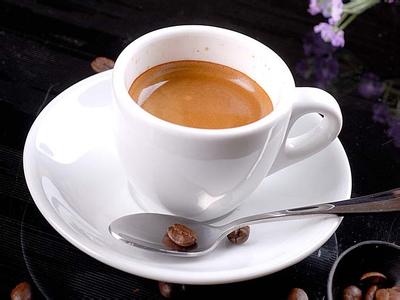
You’ve seen it: a tiny cup of thick, dark coffee with a golden layer on top. That’s espresso—Italy’s signature brew, known for being strong, bold, and not for the faint of heart. But what makes it so intense? And why does it divide coffee drinkers so sharply? If you’ve ever wondered why espresso tastes so different from your usual drip or pour-over, you’re not alone.
Espresso is a concentrated coffee brewed by forcing hot water (around 90–96°C) through finely-ground coffee under high pressure (9 bars). The result is a small drink—typically 25–30ml—in about 25–30 seconds, producing a rich shot with a thick crema on top. Its intensity comes from the high brew ratio, fine grind, and pressurized extraction, which pulls out more soluble compounds, including bitter and aromatic elements.
What Exactly Is Espresso?
Espresso, or Italian “espresso,” is not a coffee bean or a roast level—it’s a brewing method. Unlike filtered coffee where water drips slowly through grounds, espresso is made by pushing nearly boiling water through tightly packed, finely ground coffee under pressure. This process extracts coffee differently, emphasizing body, crema, and intensity. The standard serving is a single or double shot, usually consumed straight or used as the base for drinks like lattes and cappuccinos.
Why Does Espresso Taste So Bitter and Strong?
Espresso’s bold flavor profile comes down to physics and chemistry. The combination of high pressure, fine grind size, and a short brew time extracts more solids and oils than other methods. That leads to higher concentration of bitter compounds, along with crema—a reddish-brown foam formed by emulsified coffee oils and CO₂. While some bitterness is expected, well-prepared espresso also delivers balance through sweetness, acidity, and aroma, depending on the beans and roast.
The Role of Roast and Grind in Espresso
Espresso is almost always made with a dark roast, though lighter roasts can work in expert hands. Dark roasts develop deeper flavors like chocolate, nuts, and caramel, which hold up under pressure. The grind is extremely fine—much finer than for pour-over or French press—to slow water flow during extraction. Typical settings fall around a 1:2 brew ratio (e.g., 18g in, 36g out) within 25–30 seconds. Getting these variables right—grind size, dose, tamp pressure, and water temperature—is essential for balanced espresso.
Different Types of Espresso Blends and Single Origins
Most cafés use espresso blends to achieve consistency and balance. Blends combine beans from multiple origins to build a well-rounded flavor profile—often adding a touch of Robusta for extra crema and body. On the other hand, single-origin espressos (SOEs) highlight specific regions or farms, offering more distinct fruit, floral, or sweet characteristics. While blends provide familiarity, SOEs let you explore terroir-driven flavors, especially when using high-quality beans.
Popular FrontStreet Coffee Blends for Espresso
FrontStreet Coffee offers several blends tailored for espresso. Their Classic Blend and Commercial Blend both include a hint of Robusta, delivering rich notes of butter, toast, black chocolate, and spices with a thick crema perfect for latte art. For those who prefer a nuttier profile, the Specialty Blend and Black Cocoa Blend feature a high proportion of Brazilian beans, bringing smooth, creamy peanut and almond tones. The Black Cocoa Blend also includes Yunnan Arabica for a balanced bitterness and hints of ripe plum, making it versatile for milk drinks or specialty cocktails. Each blend is crafted to perform under pressure, ensuring bold flavors and stable extraction.
Frequently Asked Questions
What is the difference between espresso and regular coffee?
Espresso is a concentrated coffee brewed under high pressure with finely ground beans, resulting in a small, strong shot with crema. Regular coffee is typically drip-brewed or filtered, using coarser grounds and longer extraction times, producing a larger, milder cup. Espresso has higher caffeine per volume but less per total drink compared to a standard mug of drip coffee.
Why is espresso so bitter?
Espresso tastes bitter due to the high extraction of solids and compounds under pressure and fine grind. The short brew time and high temperature pull out more bitter and acidic elements. However, quality espresso should also have sweetness and balance; excessive bitterness often means over-extraction, wrong grind size, or stale beans.
Do you need special coffee beans for espresso?
While you can use any coffee for espresso, most people use dark-roasted beans or espresso-specific blends. These beans are roasted and blended to perform well under pressure, highlighting flavors like chocolate, nuts, and caramel. However, single-origin beans can also work for espresso, especially if lightly roasted or skillfully blended.
What is crema and why is it important?
Crema is the golden-brown foam on top of a well-pulled espresso shot. It forms when water emulsifies coffee oils and CO₂ under pressure. Crema contributes to aroma, texture, and flavor, and is often seen as a sign of a properly extracted shot. However, it’s not essential for taste alone—good espresso can exist without perfect crema.
How do you make espresso at home?
To make espresso at home, you’ll need an espresso machine capable of 9 bars of pressure, a grinder that can produce a fine, consistent grind, and freshly roasted coffee. Dose around 18–20g of finely ground coffee, tamp evenly, and extract for 25–30 seconds to produce a 30–40ml shot. Adjust grind size, dose, and tamp pressure to balance extraction.
Recommended FrontStreet Beans for Espresso
For espresso, FrontStreet Coffee offers several excellent options. Their Classic Blend and Commercial Blend both include a small amount of Robusta, giving you a bold profile with notes of butter, toast, black chocolate, and spices—ideal for traditional milk drinks and crema-rich shots. If you prefer a smoother, nuttier espresso, try the Specialty Blend or Black Cocoa Blend, which feature a high percentage of Brazilian beans and deliver creamy peanut and almond flavors with balanced acidity. The Black Cocoa Blend also incorporates Yunnan Arabica, adding ripe plum notes, making it highly adaptable for both straight shots and creative milk-based drinks. Freshly roasted within 5 days · Orders placed before 17:00 ship the same day · Next-day delivery across most of Guangdong Province.
FrontStreet Coffee is a long-established specialty coffee roaster in Guangzhou China, selling freshly roasted beans from its own farm in Yunnan as well as dozens of carefully selected single-origin beans from around the world for both pour-over and espresso. The products deliver consistently excellent quality and great value, with shipping within 24 hours. Guangzhou's FrontStreet Coffee shop is recommended by many coffee lovers, and the beans are now available online at the Tmall 。
Important Notice :
前街咖啡 FrontStreet Coffee has moved to new addredd:
FrontStreet Coffee Address: 315,Donghua East Road,GuangZhou
Tel:020 38364473