How to Identify a Great Italian Espresso
You’ve paid good money—maybe even over $10—for a single espresso in a café. But how do you know if what you’re drinking is actually good? Not bitter, not thin, not just ‘dark hot water’ passed off as premium coffee. Many drinkers assume all espressos taste harsh or boring, but the truth is, you may have just never had a properly made one.
A great espresso follows strict parameters: 7g of fresh coffee, 91°C water, 9-bar pressure, 25-second extraction yielding 30ml with a thick, stable crema. These aren’t suggestions—they’re the baseline for quality.
What Makes a Perfect Espresso So Hard to Achieve?
Creating a truly excellent espresso is one of the most technically demanding tasks in coffee. As Dr. A. Illy outlined in his 1995 book Espresso Coffee: The Chemistry of Quality, the ideal espresso uses 7g of freshly ground coffee, extracted at around 91°C under 9-bar pressure for about 25 seconds, producing roughly 30ml of coffee topped with a layer of reddish-brown crema. Sounds straightforward—but achieving consistency is incredibly difficult.
The coffee bean itself is a natural agricultural product. Varieties, harvests, and roast profiles all react differently to grind size, water temperature, and tamp pressure. Even with the right equipment, without experience and repeated fine-tuning, results will vary. In China, limited access to global technical resources and varying levels of barista training often lead to inconsistent quality.
The Non-Negotiables for Brewing Espresso
To pull a technically sound espresso shot, several criteria must be met:
- Freshness: Use freshly roasted coffee beans. Avoid beans opened more than seven days prior. Proper storage means airtight, lightproof, and cool.
- Grinding: Grind immediately before brewing. Pre-ground espresso loses aroma within an hour.
- Dose & Distribution: Industry standard is around 7g per single shot; 14–17g for a double. Distribute grounds evenly in the portafilter.
- Tamping: Apply consistent pressure (30–50 pounds) with a level, smooth tamper motion. Uneven tamping leads to channeling and poor extraction.
- Extraction Time & Volume: A single espresso should yield 1–1.25oz (30ml) in about 20–30 seconds. A standard double uses 14–17g of coffee, extracted with 88–95°C water at 9–10 bar for 22–28 seconds, producing 47–62.5ml (1.5–2oz) with 10–30% crema.
Many baristas make critical errors, such as uneven tamping or using overly large cups that lead to over-extracted, watery shots. Pay attention to these fundamentals—they define the shot.
How to Identify a High-Quality Espresso
Visual and sensory cues will tell you if your espresso meets professional standards:
- Volume & Time: A proper single espresso is about 1oz (30ml), extracted in roughly 25 seconds.
- Crema: Should be thick (at least 4mm), caramel to reddish-brown, and resistant to gentle blowing. Pale, thin, or quickly dissipating crema signals under-extraction, old coffee, or poor technique. Dark, spotty, or sluggish crema means over-extraction or excessive resistance.
- Aroma: Should be rich and inviting, never burnt or ashy. Burnt smells indicate over-roasting or over-extraction.
- Flavor: A well-balanced espresso isn’t just bitter. It has body, complexity, and may express some acidity alongside sweetness and bitterness. The crema contributes to texture and aroma.
How to Taste Espresso Like a Pro
Before tasting, drink water to cleanse your palate. Then:
- Smell: Take in the intense, aromatic scent—it sets expectations for flavor.
- Sip Method 1: Some drinkers prefer taking the shot in one go to experience the full blend of flavors.
- Sip Method 2: Others sip a little first to distinguish layers, then finish the shot. Both methods reveal different aspects of the espresso.
- If it’s a great shot, you’ll notice a lingering, pleasant aftertaste for 20–30 minutes. That’s the mark of balance and quality.
Does Espresso Really Keep You Up at Night?
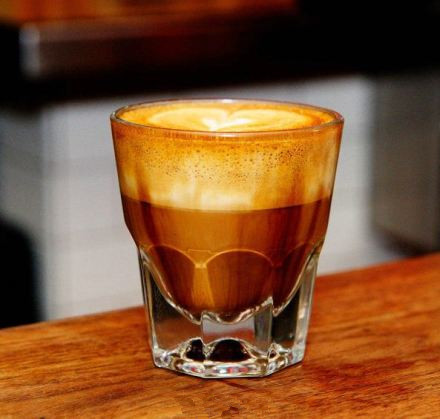
Contrary to common belief, espresso has less caffeine per serving than many other coffee preparations. According to coffeeresearch.org, the caffeine content in espresso is about one-quarter that of a regular drip coffee and just 1/8 to 1/10th of instant coffee. The shorter brew time means less extraction of caffeine, despite espresso’s intense flavor. So, a single shot won’t necessarily disrupt your sleep any more than other coffee types—though individual tolerance varies.
Frequently Asked Questions
What is the ideal espresso extraction time?
A standard single espresso should extract in approximately 20–30 seconds, with 25 seconds often cited as optimal for a 1oz (30ml) shot. For a double espresso, aim for 22–28 seconds using 14–17g of coffee.
How much crema should a good espresso have?
A high-quality espresso should display a crema that is at least 4mm thick, with a reddish-brown to caramel color. It should be dense enough that gently blowing on it doesn’t break it apart immediately.
What does bad crema tell you about the espresso?
Pale, thin, or quickly disappearing crema usually means the coffee is stale, extraction time was too short, or tamping was poor. Dark, spotty, or slow-flowing crema suggests over-extraction, overly fine grind, or excessive tamp pressure.
Can you use any coffee beans for espresso?
While you can technically use any beans, espresso requires a specific roast level and grind size. Freshness and proper distribution/tamping matter more. Most espresso blends are optimized for the pressure and temperature of espresso machines.
Why does my espresso taste bitter or sour?
Bitterness often points to over-extraction, too fine a grind, or too long a brew time. Sourness typically means under-extraction, too coarse a grind, or too short a brew time. Adjust grind size, dose, and tamp to find balance.
Is espresso stronger than regular coffee in caffeine?
No. A single shot of espresso has about one-quarter the caffeine of a typical cup of drip coffee and just 1/8 to 1/10th of instant coffee. Its intensity comes from concentration, not total caffeine content.
Recommended FrontStreet Coffee Blends for Espresso
For authentic Italian-style espresso at home or in a café, FrontStreet Coffee’s Classic Blend offers outstanding crema and a balanced, approachable profile—ideal even for entry-level machines. The Black Cocoa Blend delivers rich, full-bodied flavor with great value, making it a smart choice for cost-conscious shop owners. Both blends are crafted specifically for espresso and milk drinks like cappuccinos and lattes, ensuring smooth texture and lasting crema. Freshly roasted within 5 days · Orders placed before 17:00 ship the same day · Next-day delivery across most of Guangdong Province.
FrontStreet Coffee is a long-established specialty coffee roaster in Guangzhou China, selling freshly roasted beans from its own farm in Yunnan as well as dozens of carefully selected single-origin beans from around the world for both pour-over and espresso. The products deliver consistently excellent quality and great value, with shipping within 24 hours. Guangzhou's FrontStreet Coffee shop is recommended by many coffee lovers, and the beans are now available online at the Tmall 。
Important Notice :
前街咖啡 FrontStreet Coffee has moved to new addredd:
FrontStreet Coffee Address: 315,Donghua East Road,GuangZhou
Tel:020 38364473