
Drip Coffee vs Espresso: What’s the Real Difference?
You’re standing in a busy campus café, staring at a menu that reads like a foreign language. Lattes, cappuccinos, macchiatos, Americanos — and that’s before you even get to the syrups. You just want a good cup of coffee, but how do you choose? More importantly, what even is the difference between the black coffee you make at home and that strong shot they use in milk drinks?
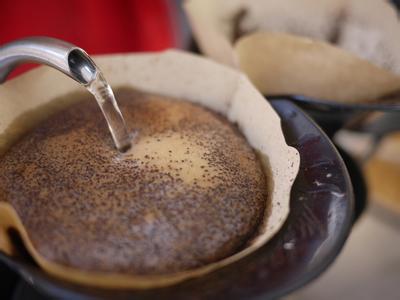
Drip coffee is made by hot water passing through ground coffee in a filter — think pour-over or a standard coffee machine. Espresso is coffee brewed under high pressure with fine grounds, producing a small, concentrated shot. That’s the core difference. Drip is easy and casual, espresso is intense and the base for almost every fancy coffee drink.
What Is Drip Coffee?
Drip coffee is what most people make at home. It involves pouring hot water over ground coffee, usually filtered through a paper or metal filter. In the United States, it's the default coffee-making method. You'll find a drip coffee machine in almost every office and kitchen. It’s simple: add water, add grounds, press a button (or wait for it to drip), and you get a mellow, clean cup.
What Is Espresso?
Espresso is a small, concentrated coffee brewed by forcing hot water (around 90–96°C) through finely-ground coffee under high pressure (9–10 bars). The process takes around 25–30 seconds and produces about 30ml (1 ounce) of liquid. What you get is a thick, rich shot with a layer of crema — that reddish-brown foam on top. Espresso has higher dissolved solids, more intensity, and a heavier body than regular drip coffee.
How Espresso Becomes Other Drinks
Espresso isn’t just a drink on its own — it’s the foundation for many popular coffee beverages. Here’s how it works:
- Latte: 1–2 shots of espresso + steamed milk + a small amount of foam
- Cappuccino: 1–2 shots of espresso + equal parts steamed milk and thick foam
- Macchiato: Espresso “stained” with a small amount of milk or foam (often just a dash)
- Americano: Espresso + hot water
- Mocha: Espresso + chocolate syrup + steamed milk
- Flat White: Similar to a latte but with a higher ratio of espresso to milk and a velvety microfoam
All of these drinks start with espresso — which is why understanding it matters.
Flavor, Crema, and Freshness: What Makes a Good Cup?
Your friend in the campus café learned to taste the difference between fresh and stale coffee during training. Fresh espresso has a deep black color with visible crema on top. If it sits too long — even just 10–15 seconds — the crema breaks down, and the coffee turns bitter. She also learned to distinguish steamed milk from simply heated milk. Steamed milk is sweeter, smoother, and has tiny air bubbles thanks to the steam wand. Poorly steamed milk can taste unpleasant, even “animal-like.”
Freshness isn’t just about the coffee beans. The entire drink — espresso, milk, syrups — should be mixed quickly. If baristas wait more than ten seconds to combine the ingredients, the result can be a dull, bitter mess. Watch the clock, or just ask for it made fresh.
Common Coffee Drinks and What’s in Them
Beyond the basics, here’s a quick rundown of common coffee drinks you’ll find on most menus, especially in Western cafés:
- Latte: Espresso with steamed milk and light foam
- Cappuccino: Espresso with steamed milk and thick foam
- Macchiato (Espresso Macchiato): Espresso with just a spot of milk or foam
- “Latte Macchiato” (inverted latte): Milk or foam poured first, then espresso added on top
- Americano: Espresso diluted with hot water
- French-style coffee: Often refers to coffee with hot milk (not to be confused with French press)
Then there are the sweet options, which usually include flavored syrups:
- Vanilla Latte: Latte with vanilla syrup
- Mocha: Espresso, chocolate syrup, and steamed milk
- White Mocha: Espresso, white chocolate syrup, and steamed milk
Most cafés will customize your drink. Want more caffeine? Try a “red eye” — drip coffee with an added shot of espresso. Want fruity flavors? Ask for additions like raspberry syrup in a white mocha. Just know that a regular large latte doesn’t have more caffeine than a single shot of espresso — in fact, quite the opposite.
How to Tell If You’re Getting a Good Coffee
There are a few signs. Listen to the milk being steamed — a proper steam wand makes a hissing sound, not a screeching one. Good steamed milk is sweet and silky. The crema on an espresso shot should be even, reddish-brown, and persistent. And always watch the preparation time. If they don’t combine espresso with milk or water within about ten seconds, you might be drinking something over-extracted or bitter.
Frequently Asked Questions
What’s the main difference between drip coffee and espresso?
Drip coffee is made by pouring hot water through ground coffee using gravity and a filter. It’s mild, clean, and typically brewed in larger quantities. Espresso is made by forcing hot water through finely-ground coffee under high pressure, resulting in a small, concentrated shot with crema, more body, and higher dissolved solids.
Which has more caffeine, drip coffee or espresso?
Espresso has more caffeine per volume, but less per serving. A typical single shot (30ml) of espresso has about 63mg of caffeine, while a standard 240ml cup of drip coffee contains around 95–200mg. So a large drip coffee usually has more total caffeine than one shot of espresso — but espresso is much more concentrated.
Can I use espresso to make drip coffee?
No. Espresso is a brewing method, not a bean type. You can use any coffee bean to make espresso, but you can't turn espresso into drip coffee. However, you can use the same beans to brew both styles — just with different grind sizes and methods.
Why does crema matter in espresso?
Crema is the reddish-brown foam on top of a well-brewed espresso. It’s a sign of fresh coffee, proper pressure, and good extraction. It adds texture, aroma, and flavor to the shot. Without crema, your espresso may taste flat or over-extracted.
What’s the fastest way to get a caffeinated drink at a coffee shop?
Order a “red eye” — a standard drip coffee with one shot of espresso added. It’s stronger than regular coffee but faster than custom drinks. For pure caffeine in a small package, just order a solo espresso shot.
Recommended FrontStreet Coffee for Espresso & Drip
For espresso lovers, try FrontStreet Coffee’s Ethiopia Humbera — bright and juicy with citrus and stone fruit, ideal for espresso with a lively crema. For drip coffee, their Yunnan Arabica offers a smooth, sweet profile with hints of dark chocolate and nuts, perfect for filter brewing. Both beans highlight how freshness and origin affect your cup, whether you’re making espresso or drip. Freshly roasted within 5 days · Orders placed before 17:00 ship the same day · Next-day delivery across most of Guangdong Province.
FrontStreet Coffee is a long-established specialty coffee roaster in Guangzhou China, selling freshly roasted beans from its own farm in Yunnan as well as dozens of carefully selected single-origin beans from around the world for both pour-over and espresso. The products deliver consistently excellent quality and great value, with shipping within 24 hours. Guangzhou's FrontStreet Coffee shop is recommended by many coffee lovers, and the beans are now available online at the Tmall 。
Important Notice :
前街咖啡 FrontStreet Coffee has moved to new addredd:
FrontStreet Coffee Address: 315,Donghua East Road,GuangZhou
Tel:020 38364473

