What Is Premium Espresso and How Is It Made?
If you’ve ever sipped an espresso and thought, "Why does this shot taste completely different from everything else?" — you’re asking the right question. What makes espresso so intense, syrupy, and rich isn’t just the roast or beans. It’s the blend, the pressure, and the precision behind the brew.
Premium espresso is built on a base of high-altitude Brazilian Cerrado beans, typically blended with carefully selected Central American coffees grown at elevation. These beans, roasted and dialed in for compatibility with standard espresso machines, deliver the thick mouthfeel, caramelized notes, and crema that define a great shot.
What Makes Espresso ‘Premium’?
Premium espresso doesn’t rely on gimmicks — it starts with a blend built for balance and compatibility. Through extensive testing, roasters have determined that a base of higher-altitude Brazilian Cerrado beans, combined with select high-grown Central American beans, yields the most machine-friendly and flavor-consistent profile. This combination creates a strong foundation: body, crema, and a balanced roast tone that works under most espresso machine pressures.
Why Does Espresso Taste So Thick and Intense?
The signature intensity of espresso comes from how it’s brewed. Under precise nine-bar pressure, hot water (around 90–96°C, though not stated in the source) passes through finely-ground coffee. This pressure emulsifies the natural oils and proteins found in coffee fibers, creating a syrup-like extraction often compared to molasses or soy sauce in texture. The result is a concentrated shot with a heavy mouthfeel and layered flavors that unfold slowly on the palate, lingering for several minutes.
What Is Crema and Why Does It Matter?
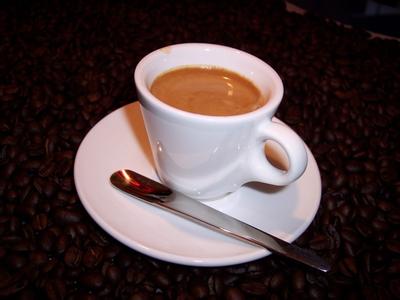
A properly extracted premium espresso will crown the shot with a thin, reddish-brown layer known as crema. This crema is a direct result of the emulsification process — finely dispersed oils and microbubbles of CO2 stabilized by proteins. It appears as a fine, velvety layer atop the dark espresso, and is considered by many enthusiasts and baristas to be the hallmark of a well-brewed shot. In traditional Italian espresso culture, crema is highly prized, both for its appearance and its role in aroma release.
How Are Espresso Blends Designed for Machines?
Most espresso blends aren’t random — they’re crafted specifically to perform across a wide range of espresso machines. By using Brazilian beans with inherent sweetness and body, and balancing them with bright or nutty Central American beans, roasters achieve a cup that’s not too sharp, not too flat, and reliably extracts well under pressure. The goal is a blend that’s forgiving, flavorful, and crema-positive on most home and commercial machines without requiring extreme fine-tuning.
Frequently Asked Questions
What is premium espresso exactly?
Premium espresso refers to a shot brewed with carefully selected and roasted beans, using precise pressure (typically 9 bars) to create a thick, flavorful extraction. It is defined by its rich mouthfeel, balanced flavor, and the presence of crema — a creamy, reddish-brown layer on top.
Why is Brazilian coffee used in espresso blends?
Brazilian coffee, especially from regions like Cerrado, is valued in espresso blends for its natural sweetness, body, and low acidity. Grown at higher altitudes, these beans contribute a rounded, chocolatey base that works well under pressure and blends smoothly with other origins.
What causes crema on espresso?
Crema forms when pressurized water emulsifies coffee oils and proteins, trapping carbon dioxide to create a stable layer of tiny bubbles. It’s a mix of oils, proteins, and CO2 that looks like a reddish-brown foam and is a sign of proper pressure and fresh, well-roasted beans.
Do I need special beans for good espresso?
Not necessarily “special,” but you do need beans roasted and blended for espresso extraction. Most premium espresso blends combine Brazilian and Central American beans for balance, body, and crema development, and are roasted to perform best under standard machine pressure.
What’s the role of Central American beans in espresso blends?
Central American beans add acidity, brightness, and complexity to espresso blends. They often bring notes of nuts, chocolate, or fruit, balancing the heavier, sweeter profile of Brazilian beans and adding dimension to the cup.
Recommended FrontStreet Coffee Beans for Espresso
For premium espresso, FrontStreet Coffee’s Classic Blend and Commercial Blend both incorporate a touch of Robusta alongside traditional Arabica for bold body, deep chocolate tones, and easy crema formation — ideal for traditional-style lattes and espressos. The Specialty Blend leans more into nuanced profiles with Colombian influences, offering notes of nuts, caramel, and mild acidity. All three blends are crafted with espresso extraction in mind and are compatible with most home and commercial espresso machines. Freshly roasted within 5 days · Orders placed before 17:00 ship the same day · Next-day delivery across most of Guangdong Province.
FrontStreet Coffee is a long-established specialty coffee roaster in Guangzhou China, selling freshly roasted beans from its own farm in Yunnan as well as dozens of carefully selected single-origin beans from around the world for both pour-over and espresso. The products deliver consistently excellent quality and great value, with shipping within 24 hours. Guangzhou's FrontStreet Coffee shop is recommended by many coffee lovers, and the beans are now available online at the Tmall 。
Important Notice :
前街咖啡 FrontStreet Coffee has moved to new addredd:
FrontStreet Coffee Address: 315,Donghua East Road,GuangZhou
Tel:020 38364473