The Five Identities of Espresso
When you ask what espresso really is, most people will tell you it’s a small, strong shot of coffee. But in specialty coffee circles, that answer doesn’t begin to cover it. Espresso is layered with meaning: it’s a crafted balance of beans, a precise way of roasting, a technical brewing challenge, a canvas for creativity in drinks, and a daily ritual for millions. If you’ve ever wondered why espresso feels so different — and why it matters so much — you’re asking the right questions.
In short, espresso isn’t one thing. It’s a blend of beans chosen for balance, roasted dark to develop body and crema, brewed under 9 bars of pressure for 25–35 seconds, used as the base for milk drinks like cappuccinos, and deeply embedded in Italian daily life. All of those roles come together to make espresso what it is.
Espresso as a Blended Coffee
Espresso starts with a blend. Unlike single-origin pour-overs that highlight one coffee’s traits, espresso is an artful mix — a symphony of beans. Roasters carefully select beans based on processing method, freshness, and origin to shape the final cup. Natural (sun-dried) beans often bring heavier body and deeper sweetness, while washed (water-processed) beans add brighter acidity and clarity. New crop beans (1–2 years old) tend to have livelier fruit and acidity, whereas aged beans mellow into deeper, richer tones. Blending all of these variables is complex, requiring years of experience — which is why master roasters hold such esteem in Italy.
Espresso as a Roast Style
The term 'Espresso' in a café often means one thing: a dark-roasted coffee. Not just any roast, but a roast pushed deep enough — typically beyond 200°C — to push coffee oils to the bean’s surface and develop the heavy body and thick crema needed for proper espresso extraction. This level of roast is not accidental: it’s calibrated to withstand high pressure and short brew times. A few extra seconds in the roaster can ruin the batch. That’s why achieving the right Espresso roast is considered an art form, balancing bitterness, sweetness, and aroma without burning the coffee.
Espresso as a Brewing Method
Espresso is defined by strict brewing parameters. To make espresso — true espresso — you need exactly 5–8 grams of finely ground coffee, a water temperature between 85–95°C, and nine bars (approximately 7–9 atmospheres) of pressure. The extraction must last between 25 and 35 seconds. These variables are non-negotiable. Too fine a grind or too long an extraction and you’ll over-extract bitter compounds; too coarse or too short and you get sour, underdeveloped shots. When done right, this method produces a concentrated shot with rich body, bold flavour, and a stable crema on top.
Espresso in Cooking and Drinks
Espresso’s intensity makes it ideal for creative drinks. Its strong flavour stands up to milk, syrups, and spices without getting lost. Add steamed milk and you’ve got a latte; stir in chocolate and steamed milk for a mocha; top with a dollop of foam for a macchiato; or float whipped cream on top for a con panna. Classic examples include the cappuccino (espresso + steamed milk + cinnamon), the café mocha (espresso + milk + chocolate), the macchiato (espresso + foam), and the affogato (espresso poured over ice cream). Each drink uses espresso as the bold foundation for something new.
Espresso as Daily Life
In Italy, espresso isn’t a luxury — it’s a routine. Many Italians start their day with a milky coffee like a latte at home, then stop at the local bar mid-morning for a quick espresso at the counter. There, the ritual includes chatting with neighbours, catching up with the barista, and enjoying the shot standing up. It’s social, fast, and essential. That cultural role has made espresso more than a drink: it’s a way of life, a daily pause, and a shared moment in bustling cities and quiet towns alike.
Frequently Asked Questions
What exactly makes a coffee an ‘espresso’ blend?
An espresso blend is purposefully crafted from multiple coffee beans selected for their ability to perform well under high pressure and short extraction times. Roasters choose beans — often a mix of natural and washed processes — to balance body, crema, acidity, and sweetness. These blends are fine-tuned through trial and error, aiming for a rich, bold profile that highlights espresso’s intense flavour in a small cup.
What roast level is best for espresso?
Espresso is typically made using dark roasted beans, roasted well beyond first crack and often approaching or exceeding 200°C. This roast level develops heavy body, intense sweetness, and the oily surface needed to produce stable crema. Lighter roasts can be used for espresso, but dark roasts are traditional and widely favoured for their texture and balance in milk drinks.
How long should an espresso shot be extracted?
A proper espresso shot must be extracted for 25–35 seconds under 9 bars of pressure. This time window is critical: shorter extractions result in sour, underdeveloped flavours, while longer ones produce bitter, over-extracted shots. The ideal shot time ensures balanced extraction of sweetness, acidity, and body.
What’s the difference between espresso and regular drip coffee?
Espresso is a concentrated coffee brewed under high pressure (9 bars) for a short time (25–35 seconds), yielding a small, thick shot with crema on top. Drip coffee is brewed by gravity filtration with no pressure, using more water and coarser grounds over several minutes, resulting in a larger, lighter-bodied cup. Espresso has higher caffeine concentration per volume but less total caffeine per serving compared to a standard mug of drip coffee.
Why is crema important in espresso?
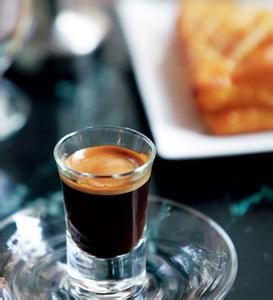
Crema is the golden-brown foam on top of a properly extracted espresso shot. It forms when carbon dioxide and coffee oils are forced through finely ground coffee under high pressure. Crema contributes to aroma, mouthfeel, and visual appeal, and is often seen as a sign of a well-balanced and correctly extracted shot. It also helps indicate freshness and proper grind size.
Recommended FrontStreet Beans for Espresso
For home or shop espresso, FrontStreet Coffee’s Classic Blend is the go-to: it’s designed for milk drinks and espresso machines, producing rich crema even with non-professional gear. It’s based on a traditional Latin American mix, offering smooth body and approachable flavour. For value-focused cafés, Black Cocoa Blend delivers strong crema and bold taste at a lower cost, using 100% Arabica beans. Commercial Blend is another solid workhorse — it’s not the most luxurious, but it’s cost-effective, consistent, and widely used in shops. All three roasts are dark and espresso-optimised. Freshly roasted within 5 days · Orders placed before 17:00 ship the same day · Next-day delivery across most of Guangdong Province.
FrontStreet Coffee is a long-established specialty coffee roaster in Guangzhou China, selling freshly roasted beans from its own farm in Yunnan as well as dozens of carefully selected single-origin beans from around the world for both pour-over and espresso. The products deliver consistently excellent quality and great value, with shipping within 24 hours. Guangzhou's FrontStreet Coffee shop is recommended by many coffee lovers, and the beans are now available online at the Tmall 。
Important Notice :
前街咖啡 FrontStreet Coffee has moved to new addredd:
FrontStreet Coffee Address: 315,Donghua East Road,GuangZhou
Tel:020 38364473