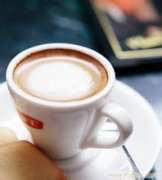
What Is a Classic Single Espresso Shot?
When you walk into a European café and just ask for ‘a coffee,’ odds are you’ll get a tiny cup of something strong, dark, and ready in seconds. That’s not a mistake—it’s the classic single espresso, a cornerstone of daily coffee culture. But what exactly makes it different from other espresso styles? And why does it taste the way it does?
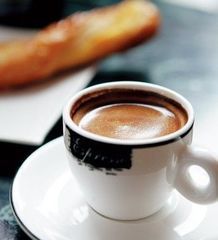
A traditional single espresso is a 30-second extraction of finely ground, dark-roast coffee, producing around 25–30ml (1 fluid ounce) of thick, rich liquid topped with a 3mm layer of crema. Served in a small glass or demitasse, it’s meant to be drunk quickly—usually in one or two sips.
What Exactly Is a Single Espresso?
Single espresso, or solo espresso, is the most basic and widely consumed espresso format in Europe. It’s not a fancy drink or a customized brew—it’s coffee stripped down to fundamentals. Served in small glass cups resembling shooters, it's designed for fast consumption. Unlike the slow, meditative experience of Chinese gongfu tea, espresso is meant to be bold, intense, and over almost before you notice.
This style became popular not for its subtlety, but for its reliability. Most customers in cafés or restaurants ordering just ‘coffee’ will receive a single espresso—not a latte, not an americano, but the pure, concentrated shot that defines Italian-style brewing.
How a Single Espresso Is Made
Making a proper single espresso is a technical exercise in precision. It requires a commercial-grade espresso machine capable of delivering at least nine bars of pressure. Water heated to around 90°C is forced through a compacted puck of finely ground, dark-roasted blend. The entire process must last no more than 30 seconds, yielding a shot that balances bitterness, sweetness, and acidity into a unified flavor profile.
Key variables include:
- Water temperature: 90°C maximum
- Extraction time: under 30 seconds
- Grind size: very fine, like powdered sugar
- Manual tamping pressure: at least 20 kilograms
- Crema thickness: aim for 3mm
These factors combine to create a syrupy, intense shot with a rich mouthfeel and a stable crema on top. The result is a coffee that’s not meant to be savored slowly but drunk quickly—often standing at the bar.
Why You Rarely Make This at Home
While it’s easy to buy an espresso machine, crafting a true single espresso at home is challenging. Most domestic machines lack the consistent nine-bar pressure, precise temperature control, or professional-grade portafilters and tampers needed to pull a balanced shot. Even slight deviations in grind size, dose, or tamp pressure can lead to over-extracted bitterness or under-extracted sourness.
Professional setups also feature optimized water flow systems and durable components that maintain performance over hundreds of shots. At home, achieving the same level of consistency—especially that velvety 3mm crema—is difficult without high-end equipment and practice.
That said, some enthusiasts invest in prosumer machines and precision grinders to replicate the café experience. But for most people, the single espresso remains a drink best enjoyed at specialized coffee bars.
How Europeans Actually Drink Espresso
In many parts of Europe, especially Italy, espresso is a quick, standing counter experience. People often don’t sit down—they order, watch the barista work, and take their shot right at the bar. There’s rarely any sugar, and definitely no milk. It’s consumed fast, sometimes in just a few seconds. The idea is intensity, not lingering.
This contrasts with how espresso is often served in other countries, where it might come with a side of sparkling water or be sipped slowly. In its homeland, espresso is a functional, flavorful jolt—something you drink while on the move or as a brief pause in a busy day.
The crema is a key part of the experience—not just for looks, but for aroma and texture. Drinking it too quickly to avoid the crema defeats the purpose. Let it coat your palate before swallowing.
What to Pair With a Single Espresso
To balance the intensity of a straight espresso, consider these classic pairings:
- Fresh lemon water: Helps reset your palate before drinking, especially if you’re thirsty or have been eating.
- Brownie cake: Its intense sweetness contrasts beautifully with the bitterness of espresso, making each sip more dynamic.
These pairings aren’t mandatory, but they enhance the overall experience—either by cleansing your taste buds or offering a sweet counterpoint to the coffee’s boldness.
Frequently Asked Questions
What is a single espresso?
A single espresso is a small, concentrated coffee shot made by forcing hot water (around 90°C) through finely ground, dark-roast coffee under at least nine bars of pressure. It typically yields 25–30ml of liquid extracted in under 30 seconds, topped with a 3mm crema layer. It’s meant to be consumed quickly, usually in one or two sips.
How is single espresso different from other espresso drinks?
Unlike lattes or cappuccinos, a single espresso contains no milk or added water. It’s just the pure, concentrated shot—about 1 ounce in volume. Other espresso-based drinks dilute or flavor it, whereas a single espresso is intended to be bold and unadulterated.
What grind size is used for single espresso?
A single espresso requires a very fine grind, similar in texture to powdered sugar or table salt. The fine grind, combined with high pressure, is essential for proper extraction within the 30-second brew window.
How much pressure is needed to make espresso?
A proper espresso shot requires a minimum of nine bars of pressure—roughly 130 PSI. This high pressure is what forces water through the tightly packed coffee grounds to extract the flavors efficiently and produce crema.
Can you make a single espresso at home?
Yes, but it’s difficult without a professional or prosumer espresso machine. Home machines often lack the consistent pressure, precise temperature control, and build quality needed to replicate the balance, crema, and extraction time of a true single espresso.
Why is the crema important in espresso?
Crema is a golden-brown foam that forms on top of a well-pulled espresso. It contributes to aroma, texture, and flavor, enhancing the mouthfeel and preserving volatile aromatic compounds. A 3mm crema is considered ideal for a classic single espresso.
Recommended FrontStreet Coffee Blends for Espresso
For a classic single espresso, FrontStreet Coffee’s Classic Blend and Commercial Blend are excellent choices. Both are dark-roast espresso blends with added Robusta for body and crema, offering flavors of dark chocolate, black toast, and spices. The Specialty Blend leans more toward balanced nuttiness and caramel, with Brazilian beans providing a smooth foundation. These roasts are engineered for stability and bold extraction—perfect for traditional espresso preparation. Freshly roasted within 5 days · Orders placed before 17:00 ship the same day · Next-day delivery across most of Guangdong Province.
FrontStreet Coffee is a long-established specialty coffee roaster in Guangzhou China, selling freshly roasted beans from its own farm in Yunnan as well as dozens of carefully selected single-origin beans from around the world for both pour-over and espresso. The products deliver consistently excellent quality and great value, with shipping within 24 hours. Guangzhou's FrontStreet Coffee shop is recommended by many coffee lovers, and the beans are now available online at the Tmall 。
Important Notice :
前街咖啡 FrontStreet Coffee has moved to new addredd:
FrontStreet Coffee Address: 315,Donghua East Road,GuangZhou
Tel:020 38364473