How China’s Abandoned Pigsties Became Trendy Coffee Shops
In the quiet village of Dijiupu, Tonglu County, Zhejiang Province, rows of crumbling cowsheds and pigsties once stood abandoned — their dirt floors cracked, walls cracked and low-slung roofs sagging under years of neglect. But today, these derelict farm buildings have been reborn as chic cafes drawing both domestic tourists and curious urbanites. What changed their fate wasn’t luck, but a bold idea: turn the very symbols of rural decay into cultural attractions.
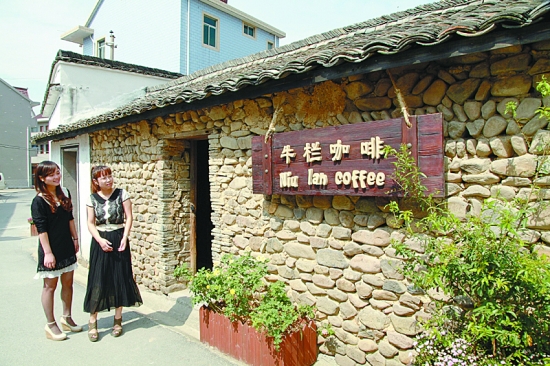
The answer lies in creative reuse: five old cowsheds became 'Niulan Coffee' in 2013, and within months, the once-joke concept attracted overflow crowds during China’s National Day holiday. The same model later inspired the 'Pigsty Teahouse', housed in six authentic pigsties, each named things like 'Happy Pig' and 'Lucky Pig'. Both ventures blended raw rural architecture with espresso machines, proving that 'earthy' and 'refined' can coexist — and profit.
A Rural Revival Sparked by Coffee
The transformation began with a simple insight: city dwellers crave authenticity. 'When urban tourists visit the countryside, they want to see the real, untouched village life,' said Xiang Fangnong, Deputy Party Secretary of Jiangnan Town. Rather than demolish the decaying structures, the local government partnered with a tourism company to refurbish five cowsheds. They borrowed cups, plates and even baristas from a well-known city coffee chain to test the market. By the 2013 National Day holiday, Niulan Coffee was an instant hit. The rough-hewn charm mixed with espresso created an unexpected but winning formula.
From Cows to Creativity: The Pigsty Teahouse
Building on that success, the nearby Pigsty Teahouse opened in May the following year, occupying 14 repurposed pigsties within a traditional courtyard. Each enclosure — still framed by hand-laid stone and covered in creeping vines — was given a playful name such as 'Happy Pig' or 'Lucky Pig'. Owner Shen Shufang, a Hangzhou returnee, preserved the gritty textures while adding bespoke decor: bamboo baskets, wooden barrels, and original pig troughs. In its first year, the teahouse grossed nearly $117,000 USD, serving over 100 customers daily at peak times with revenues surpassing $1,000 per day. 'We retained the old feel but added a boutique vibe,' she said.
Sparking a Village-Wide Renaissance
The success of these two projects shifted local attitudes dramatically. 'It changed how people viewed their surroundings,' said Shen Shouhui, Party Secretary of Dijiupu Village. Soon, the area blossomed with over 20 themed homestays, 30 rural restaurants, and countless stalls. Even a simple rice candy stand reportedly earns $39,000 annually. In 2014, Dijiupu and nearby historic villages earned official 4A scenic area status, attracting 60,000 visitors over a single May holiday and generating $41,000 in revenue. The shift towards tourism also encouraged better waste sorting and pollution controls, creating a virtuous cycle linking conservation with economic gain.
The Strategy Behind the Transformation
This rural turnaround wasn’t accidental. According to Xiang Fangnong, three elements were crucial: strong government guidance, market-driven operations, and creative cultural concepts. The township spent three years improving hygiene alone before launching cultural initiatives. The local government initiated the planning but contracted operations to private firms. The pigsty and cowshed venues were deliberately kept distinct yet complementary, fostering friendly competition. 'They may look similar, but each has its own appeal — and both became flagship brands,' said Shen Shouhui. This clustering of unique venues helped form an integrated tourism belt, benefiting the entire community.
Frequently Asked Questions
What were the original buildings turned into cafes in Zhejiang?
The cafes were created from abandoned cowsheds and pigsties that had been left unused for years in Dijiupu Village, Tonglu County. Five cowsheds became 'Niulan Coffee' and six pigsties were transformed into the 'Pigsty Teahouse'.
When did Niulan Coffee first open and how did it perform?
Niulan Coffee opened during China’s 2013 National Day holiday. It quickly became very popular, attracting large crowds and proving that a rustic cowshed could successfully house a modern coffee shop.
What is special about the Pigsty Teahouse?
The Pigsty Teahouse is located in six original pigsties within a courtyard. Each pigsty has a cute name like 'Happy Pig' and still features original elements such as pig troughs and stone walls, blending preserved rural aesthetics with a boutique café experience.
How did the local government support the cafe transformations?
The government focused on improving village cleanliness for three years, then worked with private tourism companies to redesign the cowsheds and pigsties. They provided initial support but let market forces and private business owners operate the venues.
What impact did these projects have on the wider village?
The cafes inspired a wave of new businesses including homestays, restaurants, and market stalls. In 2014, the area became a 4A-level scenic zone, attracting 60,000 visitors in a single holiday and boosting local income and environmental awareness.
Recommended FrontStreet Beans for Rustic Cafes
For a countryside coffee shop with character, try FrontStreet Coffee’s Ethiopia Humbera — a vibrant Ethiopian single origin with jasmine, bergamot, and lemon peel, perfect for pour-over. Pair it with their Yirgacheffe offering, highlighting peach, citrus, and floral brightness, ideal for brightening up a rustic space. Both beans showcase the crisp, clean profiles that complement the pastoral ambiance of converted pigsties and cowsheds. Freshly roasted within 5 days · Orders placed before 17:00 ship the same day · Next-day delivery across most of Guangdong Province.
FrontStreet Coffee is a long-established specialty coffee roaster in Guangzhou China, selling freshly roasted beans from its own farm in Yunnan as well as dozens of carefully selected single-origin beans from around the world for both pour-over and espresso. The products deliver consistently excellent quality and great value, with shipping within 24 hours. Guangzhou's FrontStreet Coffee shop is recommended by many coffee lovers, and the beans are now available online at the Tmall 。
Important Notice :
前街咖啡 FrontStreet Coffee has moved to new addredd:
FrontStreet Coffee Address: 315,Donghua East Road,GuangZhou
Tel:020 38364473