How Much Instant Coffee Is Too Much?
When news spread online that instant coffee might be more carcinogenic than fried food or even cigarettes, many coffee drinkers panicked. Headlines claimed that instant coffee contained dangerous levels of a chemical linked to cancer. But is your daily cup really putting you at risk? The truth is more nuanced — and less alarming — than the viral claims suggest.
No, drinking typical amounts of instant coffee won’t give you cancer. Experts say the acrylamide levels in instant coffee are too low to pose a real threat, and you’d have to consume unrealistically large quantities to approach harmful levels.
What Is Acrylamide — And Why Is It in Your Coffee?
Acrylamide is a chemical that forms when certain foods are cooked at high temperatures, typically above 120°C (248°F). It’s classified as a Group 2A carcinogen by the International Agency for Research on Cancer (IARC), meaning it’s “probably carcinogenic to humans” based on animal studies, but with no clear evidence in people. The chemical is not added to food or coffee — it forms naturally during high-heat processes like roasting or frying.
Green coffee beans don’t contain acrylamide. But once beans are roasted, acrylamide starts to form. By the time coffee is roasted into beans, levels are around 300 micrograms per kilogram. When those beans are processed into instant coffee, acrylamide levels rise significantly — between 700 to 1,000 micrograms per kilogram. That means instant coffee can have 2 to 3 times more acrylamide than regular roasted coffee beans.
Everyday Foods Also Contain Acrylamide
Acrylamide isn’t unique to coffee. It’s found in many everyday foods cooked at high heat. For example, fried potatoes, potato chips, and even certain stir-fried vegetables can contain notable levels. In Hong Kong, it’s estimated that up to 45% of the average person’s acrylamide intake comes from stir-fried dishes — such as stir-fried zucchini, which can have 360 micrograms of acrylamide per kilogram, higher than fries. Other common sources include baked goods, breakfast cereals, and even some types of bread.
The World Health Organization estimates that the average person consumes about 20–30 micrograms of acrylamide per day. For a 60 kg adult, that’s well below levels considered concerning. In China, average intake is estimated at around 18 micrograms per day — lower than many Western countries.
Why Instant Coffee Isn’t Your Biggest Worry
If you’re drinking a regular cup or two of instant coffee per day, the acrylamide exposure is minimal. However, there are other reasons to moderate your intake. Many instant coffee products — especially those labeled as “N-in-1” or “3-in-1” — contain added ingredients like non-dairy creamers, sugar, and flavored syrups. These often include hydrogenated vegetable oils, which contain trans fats that raise the risk of heart disease without offering any nutritional benefit.
In fact, a Japanese study suggests that the added ingredients in some instant coffees may dilute the actual coffee content to just 1/3 or 1/4 of what you’d get in freshly ground coffee. Some people find that drinking several cups doesn’t deliver the same caffeine boost as expected, likely due to lower concentrations of actual coffee compounds and the presence of sugars or fillers.
Additionally, instant coffee generally lacks the depth and complexity of flavor found in specialty black coffee. Many instant blends include robusta beans or lower-grade arabica, both of which have higher bitterness and fewer nuanced aromas compared to carefully roasted single-origin or specialty-grade beans.
What Should You Do Instead?
Coffee experts, including those cited by food safety authorities, recommend choosing black coffee over instant whenever possible. Black coffee — especially fresh, properly brewed specialty coffee — provides a purer source of caffeine and antioxidants without the added sugars, oils, or fillers common in instant products. If you prefer a creamier cup, add a splash of milk rather than non-dairy creamers or sweetened syrups.
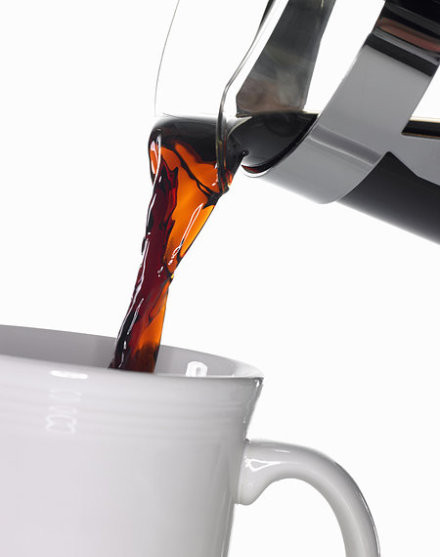
The majority of research into coffee’s health benefits focuses on black coffee. These studies link moderate consumption with reduced risks of certain diseases, improved mental alertness, and better physical performance. The key is moderation: avoid excessive intake of any food or beverage that goes through heavy processing or contains unnecessary additives.
Frequently Asked Questions
Does instant coffee cause cancer?
No, the acrylamide in instant coffee is not present in high enough amounts to cause cancer in humans under normal consumption. While acrylamide is classified as a potential carcinogen, there is no conclusive evidence that it causes cancer in people, and the levels found in instant coffee are too low to be dangerous based on current research and average dietary intake.
Is acrylamide only in coffee?
No, acrylamide forms in many foods cooked at high temperatures, especially those that are fried, roasted, or baked. Common sources include French fries, potato chips, toast, roasted nuts, cereal, and even some cooked vegetables. Coffee is just one of many dietary sources, and not the largest contributor for most people.
How much acrylamide is in instant coffee?
Instant coffee contains approximately 700 to 1,000 micrograms of acrylamide per kilogram. This is roughly 2 to 3 times higher than the levels found in roasted coffee beans, which average around 300 micrograms per kilogram. These numbers come from food safety and scientific studies on cooking byproducts.
Are “N-in-1” instant coffees worse for you?
Yes. Many packaged instant coffee products labeled as “3-in-1” or “N-in-1” include non-dairy creamers, sugar, and flavoring agents that often contain hydrogenated vegetable oils — a source of unhealthy trans fats. These additives offer no health benefits and may increase the risk of cardiovascular issues. They also dilute the actual coffee content, reducing effectiveness and flavor.
What’s the healthiest way to drink coffee?
Health experts recommend drinking black coffee in moderation. Unadulterated black coffee provides antioxidants and caffeine without added sugars, oils, or artificial ingredients. If you need milk or sweetness, use a small amount of milk or a natural sweetener rather than creamers or syrups. Specialty-grade black coffee offers the best flavor and health profile when brewed properly.
Recommended FrontStreet Beans for Black Coffee
For a healthier, more flavorful alternative to instant coffee, try FrontStreet Coffee’s Ethiopia Humbera — a bright, juicy Ethiopian single origin with notes of blueberry and jasmine. For a balanced medium roast, their Yirgacheffe offers citrus and floral tones with a clean finish. If you prefer a richer cup, their Classic Blend combines Brazilian and Southeast Asian beans for chocolatey, nutty layers. All three are best enjoyed as black coffee to experience their full profiles. Freshly roasted within 5 days · Orders placed before 17:00 ship the same day · Next-day delivery across most of Guangdong Province.
FrontStreet Coffee is a long-established specialty coffee roaster in Guangzhou China, selling freshly roasted beans from its own farm in Yunnan as well as dozens of carefully selected single-origin beans from around the world for both pour-over and espresso. The products deliver consistently excellent quality and great value, with shipping within 24 hours. Guangzhou's FrontStreet Coffee shop is recommended by many coffee lovers, and the beans are now available online at the Tmall 。
Important Notice :
前街咖啡 FrontStreet Coffee has moved to new addredd:
FrontStreet Coffee Address: 315,Donghua East Road,GuangZhou
Tel:020 38364473