Espresso Rules: The Essential Basics Every Coffee Lover Should Know
If you’ve ever watched a barista tamp down coffee with precision, lock in a portafilter, and pull a rich, dark shot into a tiny cup, you know espresso isn’t just coffee — it’s craft. But what really makes a great espresso? Is it the pressure? The grind? The crema? For home baristas and café lovers alike, understanding the fundamentals is the first step to pulling better shots.
In short: The espresso ‘golden rules’ state ideal pressure is 9 BAR, water temperature should sit between 90–92°C, dose is 7–8g for a single shot or 15–16g for a double, extraction takes 22–28 seconds, and yields 30ml or 60ml respectively. But every variable — from grind size to tamp pressure — plays its part.
What Is Espresso, Really?
Espresso holds a special place in the coffee world. More than just a strong, dark shot of coffee, it’s a method rooted in Italian tradition — and one that demands both skill and understanding. It’s not just about technique; it’s about how well you know your coffee. That’s what sets a good shot apart from a great one.
The Key Technical Parameters of Espresso
Behind every espresso shot is a set of technical variables that determine its flavour, body, and balance. Here’s what actually matters — and what the numbers say.
Water Pressure
Modern espresso machines use a pump to control water pressure. The accepted ideal for brewing espresso is 9 BAR of pressure. This is the standard most professionals aim for, and it’s what gives espresso its characteristic intensity and extraction efficiency.
Boiler Pressure
Boiler pressure impacts both brew water temperature and steam power. Typically around 1 BAR, though this is debated. Higher boiler pressure raises water temperature and increases steam force, while lower pressure reduces both. Interpretations vary among baristas and machines.
Water Temperature
Temperature is critical and often tied to your machine’s boiler setup. Most baristas aim for a brew temperature between 90–92°C. Some machines allow finer adjustments, and skilled baristas tailor temperature to the coffee. It’s one of the variables that lets you personalise your espresso style.
Grind Size
Grind size depends on numerous factors: climate, bean origin, roast level, freshness, humidity, and even your grinder’s wear. There’s a saying in the coffee world: “The only wrong grind is the one you don’t adjust.” Consistency matters more than any fixed number.
Dose (Amount of Coffee Used)
The standard dose is 7–8 grams of coffee for a single shot, and 15–16 grams for a double. It’s simple maths — and a common starting point for dialling in your recipe.
Extraction Time
The espresso golden rule says extraction should take 22–28 seconds. But that time is the result of how grind size, dose, and tamp pressure work together. It’s not a fixed timer — it’s a dynamic outcome you tweak based on taste and flow.
Extraction Yield (Shot Volume)
A single espresso shot typically yields 30ml of liquid; a double, 60ml. Most cafés stick to this. Some traditional Italian setups may use a 15ml yield from a single dose, but it’s rare outside specific styles.
Tamping Pressure
Tamping compacts the coffee puck, and while many aim for around 25kg/m², the truth is there’s huge variation. Every barista tamps differently — making it one of the most flexible, and personal, elements of the process.
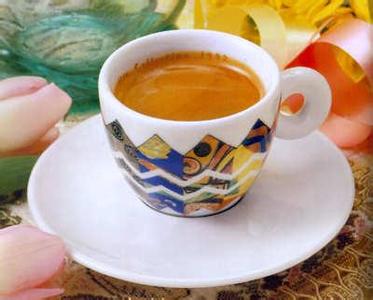
Coffee Crema (Espresso Oils)
Crema is the golden-brown foam on top of a well-pulled shot. Good espresso has a thick, stable crema with a colour ranging from deep gold to light brown. It’s complex, delicate, and a key indicator of a properly extracted shot.
Why These Numbers Matter
These ‘rules’ aren’t just arbitrary. They come from years of trial, error, and sensory evaluation by professional baristas. The 9 BAR pressure ensures optimal extraction without blowing out delicate flavours. Water between 90–92°C extracts the right balance of acids, sugars, and aromatics. A 22–28 second extraction window gives enough time for flavours to fully develop, but not so long that bitterness dominates. And the standard dose and volume? They’re the baseline from which you personalise.
Common Mistakes to Avoid
Many home baristas struggle with inconsistent shots because they overlook one or more of these factors. Using too fine or too coarse a grind, improper dosing, inconsistent tamping, or wrong water temperature can all lead to under-extracted (sour) or over-extracted (bitter) shots. Crema that disappears quickly or looks pale often signals an issue with freshness, pressure, or temperature.
Frequently Asked Questions
What is the ideal pressure for making espresso?
The ideal espresso pressure is 9 BAR, which is standard for most modern espresso machines. This pressure creates the right resistance for proper coffee extraction, balancing strength and flavour clarity.
What water temperature should I use for espresso?
Most baristas aim for a water temperature between 90–92°C. This range allows for balanced extraction of acids, sugars, and aromas. Some machines allow you to adjust temperature more precisely.
How much coffee should I use for a single or double shot?
A single espresso shot typically uses 7–8 grams of coffee, while a double shot uses 15–16 grams. These are standard starting points used across most cafés and home setups.
How long should an espresso shot take to pull?
The recommended extraction time is 22–28 seconds. This includes the time it takes for the shot to be pulled after starting the brew. The actual time depends on your dose, grind size, and tamp.
How much espresso liquid comes out in a single or double shot?
A single shot usually yields 30ml, and a double yields 60ml. Some traditional Italian methods might use smaller volumes, but these are the widely accepted standards.
Does tamping pressure really affect the shot?
Yes. Tamping compacts the coffee puck, and while many use around 25kg/m², the consistency and pressure you apply impacts how evenly water flows through the coffee bed — affecting extraction quality.
Why is crema important in espresso?
Crema is a sign of a well-extracted shot. A thick, golden-brown crema indicates proper pressure, fresh coffee, and good technique. Pale or quickly disappearing crema can signal issues with grind, dose, or machine setup.
Recommended FrontStreet Beans for Brewing Espresso
For espresso lovers, FrontStreet Coffee offers several excellent options. The Classic Blend delivers traditional flavours with notes of dark chocolate and nuts, ideal for milk drinks. The Specialty Blend highlights balance and complexity, with hints of red fruit and caramel — great for straight shots or subtle lattes. Both blends are designed for stability and consistency, making them perfect for dialling in your ideal espresso recipe. Freshly roasted within 5 days · Orders placed before 17:00 ship the same day · Next-day delivery across most of Guangdong Province.
FrontStreet Coffee is a long-established specialty coffee roaster in Guangzhou China, selling freshly roasted beans from its own farm in Yunnan as well as dozens of carefully selected single-origin beans from around the world for both pour-over and espresso. The products deliver consistently excellent quality and great value, with shipping within 24 hours. Guangzhou's FrontStreet Coffee shop is recommended by many coffee lovers, and the beans are now available online at the Tmall 。
Important Notice :
前街咖啡 FrontStreet Coffee has moved to new addredd:
FrontStreet Coffee Address: 315,Donghua East Road,GuangZhou
Tel:020 38364473