12 Key Factors That Affect Your Espresso Quality
If your espresso tastes sour, bitter, weak, or just plain off, you’re not alone—getting a balanced, rich shot is harder than it looks. With so many variables at play, even small missteps can ruin your shot. Here’s what actually affects your espresso, broken down into clear, actionable factors.
To make consistently great espresso, control these 12 external factors: from coffee blend and roast level to grind size, distribution, tamping, water temperature, pressure, extraction time, machine cleanliness, cup choice, and regular practice. Each one plays a direct role in flavor, crema, and body.
What Is Espresso and Why Does It Break So Easily?
Espresso is a concentrated coffee brewed by forcing hot water through finely-ground coffee under high pressure. The process sounds simple—but because it depends on exact coordination of grind, dose, pressure, temperature, and timing, even minor changes can lead to major differences in taste. That’s why so many things can go wrong.
1. Coffee Blend: The Foundation of Flavor
A great espresso starts with a well-designed blend. Without a blend engineered for espresso—balancing sweetness, aroma, and body—you won’t get the desired result. The beans must also be fresh; FrontStreet Coffee recommends using coffee roasted within four days for optimal flavor.
2. Roast Level: Balancing Sweetness and Bitterness
Roast matters—a lot. Dark or overly developed roasts often introduce harsh, bitter, or burnt flavors. Instead, skilled roasters aim for a medium to medium-dark roast that highlights the coffee’s natural sweetness while developing enough body and crema. Deep roasts can mute origin characteristics but boost bitterness and thickness. For example, FrontStreet’s PWN Golden Mandheling is a deep roast that balances boldness with spice and herbal notes, while their Brazil Queen Manor uses a medium-dark profile to enhance cocoa and nuttiness without excessive roastiness.
3. Grind Size: The Gateway to Proper Extraction
Your espresso grind must allow for an extraction time of 25–30 seconds. Too coarse, and the shot runs too fast, resulting in sour, under-extracted coffee. Too fine, and it over-extracts, turning bitter and harsh. Consistent grind size is critical—and only achievable with a quality grinder.
4. Grinder Type: Precision Over Heat
Not all grinders are created equal. High-quality grinders preserve flavor by minimizing heat buildup during grinding. Among the best are those with conical burrs, which offer a more uniform grind, extended lifespan, and less frictional heating compared to flat burrs. Ideally, a combination of conical and parallel burr designs provides the most stable and precise grind. Avoid cheap grinders that burn coffee and deliver uneven particles.
5. Coffee Distribution: Evenness Before Tamping
Before tamping, the coffee grounds inside the portafilter basket must be evenly distributed. Uneven distribution leads to channeling—where water finds the path of least resistance, extracting some grounds too much and others too little. Proper distribution ensures even saturation and a balanced extraction.
6. Tamping: Pressure and Technique
Tamping is not just pressing down—it’s a two- or three-step process. First, apply a light 5-pound press to settle the coffee. Then tamp down firmly with 30 pounds of pressure. Finally, use 20 pounds of pressure to rotate the tamper 720°, polishing the surface to ensure it’s level and compact. Inconsistent tamping leads to uneven extraction and poor crema.
7. Water Temperature: Hot, but Not Too Hot
Temperature stability is crucial. The ideal brewing temperature for espresso is between 92–96°C. Too cool, and extraction suffers, leaving coffee sour and underdeveloped. Too hot, and you risk over-extraction and burnt flavors. Always choose a machine that maintains consistent temperature throughout the brew cycle.
8. Brewing Pressure: The Heart of Crema
Espresso relies on nine atmospheres (9–10 bar) of pressure to push water through the coffee puck. This pressure is what creates the crema—the golden-brown foam on top of a well-pulled shot. If pressure is too low, extraction is weak; if too high, it can over-extract or damage the puck structure.
9. Extraction Time: Timing Is Everything
A standard double espresso should draw in 25–30 seconds. This timing helps achieve the right balance of strength and complexity. Watch the shot color, too—if it starts to blond (lighten) before 25–30 seconds, cut the shot. The goal is a consistently dark, rich extraction without channeling or early blonding.
10. Machine Cleanliness: The Hidden Flavor Killer
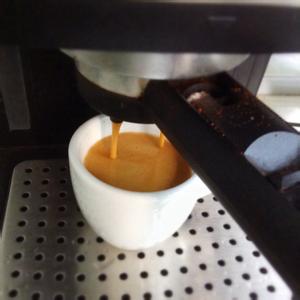
Dirty machines are the most common cause of bad espresso today. Old coffee oil residue builds up in the group head, portafilter, and basket, creating rancid, unpleasant flavors. Regular, thorough cleaning of the machine, portafilter, basket, and shower screen is essential to avoid greasy, dirty-tasting shots.
11. Cup Choice: Serving With Science
Don’t overlook your espresso cup. Preheat it with an external heat source—not the espresso machine’s hot water spout, which drops boiler temperature and leads to uneven extraction. Choose a cup with thick walls and a narrow rim to retain heat and concentrate aromas. The right cup preserves temperature and enhances drinking experience.
12. Practice: Mastering the Espresso Craft
Making great espresso takes repetition and sensory awareness. The more you practice pulling shots, observing color, time, and taste, the better you’ll get at recognizing what works. Great espresso isn’t just about numbers—it’s about feel, adjustment, and learning your machine and beans over time.
Frequently Asked Questions
How long should espresso beans be fresh for the best shot?
Use coffee beans roasted within four days for the best espresso flavor. Freshness ensures optimal aroma, sweetness, and crema development.
What’s the ideal espresso extraction time?
The target extraction time for a double espresso is 25–30 seconds. Shots that finish outside this range often taste sour (too short) or bitter (too long).
What water temperature is best for brewing espresso?
The optimal water temperature range is 92–96°C. Consistent temperature prevents under- or over-extraction and supports balanced flavor.
How much pressure should I use when tamping espresso?
Tamping should start with 5 pounds, then a firm 30-pound press, followed by a 20-pound polish while rotating 720 degrees. This ensures an even, level coffee puck for uniform extraction.
Does grind size really affect espresso taste that much?
Yes. The grind size controls how fast water flows through the coffee. A proper grind (resulting in 25–30 second extraction) is essential for balancing strength, sweetness, and bitterness.
Why is my espresso machine producing sour or bitter shots?
Sour shots usually mean under-extraction (too fast, coarse grind, or low pressure). Bitter shots indicate over-extraction (too fine, slow, or hot). Check all variables including grind size, dose, tamp, temperature, and time.
How important is machine cleaning for espresso quality?
Critical. Residue buildup in the group head, portafilter, or basket leads to rancid, oily flavors. Clean your machine regularly, especially the shower screen and portafilter, to avoid dirty-tasting espresso.
Do espresso cups really make a difference?
Yes. Thick-walled, narrow-rimmed cups help retain heat and concentrate aroma. Don’t preheat them with the espresso machine’s hot water, or you’ll lower brew temperature.
Recommended FrontStreet Beans for Espresso
For espresso lovers, FrontStreet Coffee’s PWN Golden Mandheling is a deep-roasted blend offering bold body, herbal spice, and rich crema. Their Brazil Queen Manor, medium-dark roasted, brings chocolatey and nutty tones with a smooth, balanced profile—great for milk drinks or straight shots. Both beans highlight how roast level and origin character shape espresso flavor. Freshly roasted within 5 days · Orders placed before 17:00 ship the same day · Next-day delivery across most of Guangdong Province.
FrontStreet Coffee is a long-established specialty coffee roaster in Guangzhou China, selling freshly roasted beans from its own farm in Yunnan as well as dozens of carefully selected single-origin beans from around the world for both pour-over and espresso. The products deliver consistently excellent quality and great value, with shipping within 24 hours. Guangzhou's FrontStreet Coffee shop is recommended by many coffee lovers, and the beans are now available online at the Tmall 。
Important Notice :
前街咖啡 FrontStreet Coffee has moved to new addredd:
FrontStreet Coffee Address: 315,Donghua East Road,GuangZhou
Tel:020 38364473